The Tale of Two Power Ratings
In the world of high-performance electric vehicles, marketing departments often lead with eye-popping figures—1,000 horsepower, sub-three-second acceleration, and industry-leading performance. However, savvy enthusiasts are discovering that these numbers rarely reflect the full story of an EV's capabilities. Behind the scenes, every electric drivetrain possesses two distinct power ratings: the maximum peak output, which makes for great headlines, and the sustained output, which is what the car can actually handle over time without hitting a thermal wall.
While peak power represents the instantaneous burst of energy available when the accelerator is fully depressed, it is a fleeting metric. It relies on the battery, inverter, and motors working at maximum current load, a state that generates significant heat. Once sensors detect that these components are approaching their thermal limits, the vehicle’s control software automatically scales back output to prevent hardware damage. This is why registration documents in many international jurisdictions list power figures far lower than those found in shiny, consumer-facing brochures.
Understanding the 30-Minute Standard
To provide a standardized measure for continuous performance, the United Nations has established a specific guideline known as UN Regulation No. 85. This regulation tracks the "maximum 30-minute power," representing the highest average output a drivetrain can maintain during a continuous half-hour test. Unlike the headline-grabbing peak figure, this metric offers a more realistic look at how a vehicle will perform during prolonged high-speed driving, heavy towing, or repeated spirited acceleration maneuvers.
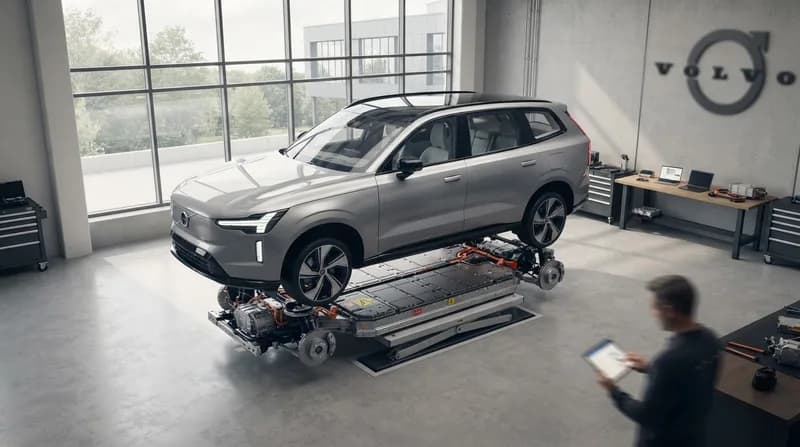
The discrepancy between these two numbers is driven by a complex interplay of cooling efficiency, battery chemistry, and electrical design. Motors and inverters are highly efficient, but they cannot dissipate heat indefinitely. When a vehicle pushes its limits, the internal resistance of the battery and the windings of the motors create heat that must be managed. A vehicle with a robust thermal management system—using advanced liquid cooling loops and efficient inverter software—will see a smaller gap between its peak and its sustained power than one that prioritizes raw output over long-term stability.
Why it Matters: The Performance Ceiling
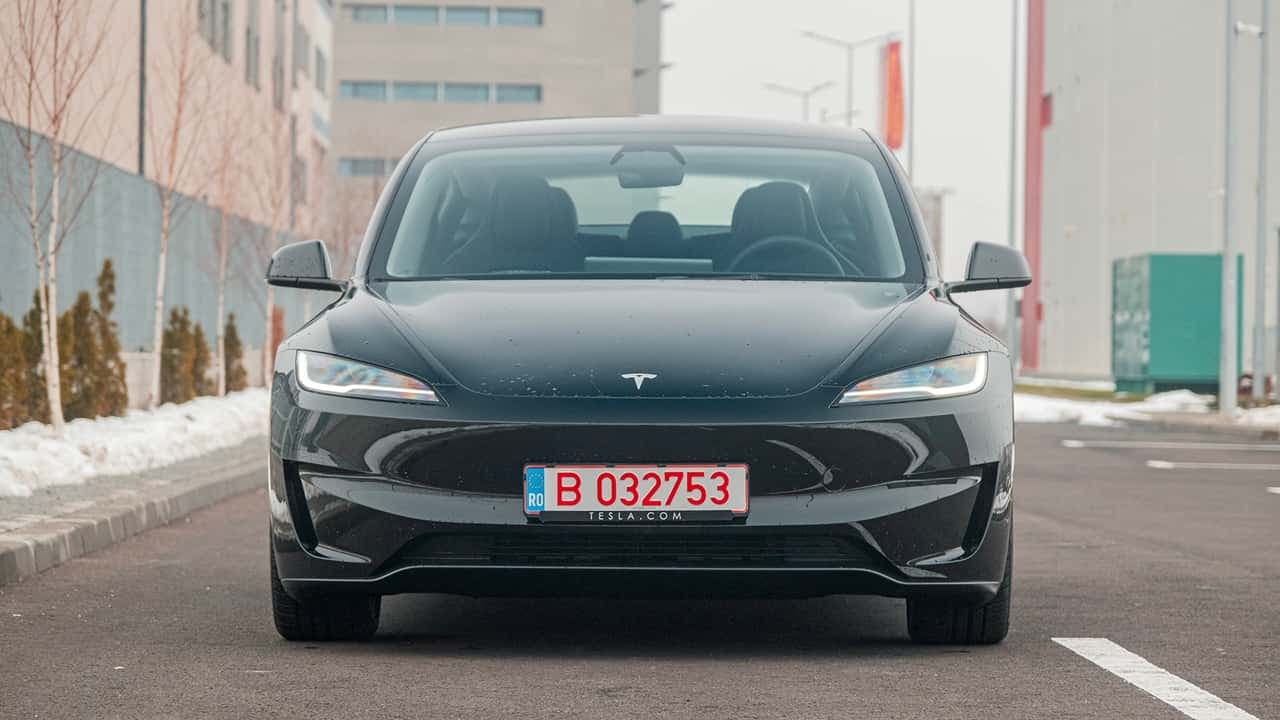
- Thermal Throttling: Advanced systems, such as Tesla’s "Track Mode," allow users to voluntarily prioritize sustained performance over peak output, admitting that sustained performance is the true measure of endurance.
- State of Charge (SoC) Impact: Peak power is often tethered to high voltage. As a battery pack depletes, the voltage drops, meaning the car may not be able to replicate its initial, fully-charged launch performance later in the day.
- Real-World Headroom: Some vehicles, like the Hyundai Ioniq 5, demonstrate a smaller drop-off in performance because their battery architecture provides significant power headroom, allowing the car to maintain consistent acceleration levels even as the state of charge fluctuates.
The Future of Consistent Performance
The industry is slowly shifting toward a greater focus on sustained engineering. Rather than simply chasing the highest number, manufacturers are increasingly competing on thermal endurance. The recent test results of high-end performance models, like the Porsche Taycan, underscore the importance of this shift; by completing dozens of consecutive high-speed runs with negligible performance variance, the vehicle proves that thermal management is just as important to the driving experience as the initial horsepower rating. For prospective buyers, understanding these metrics is key to determining if a vehicle is designed for a quick thrill at a stoplight or consistent, high-performance endurance on the open road.