The Push for Megawatt-Scale Freight
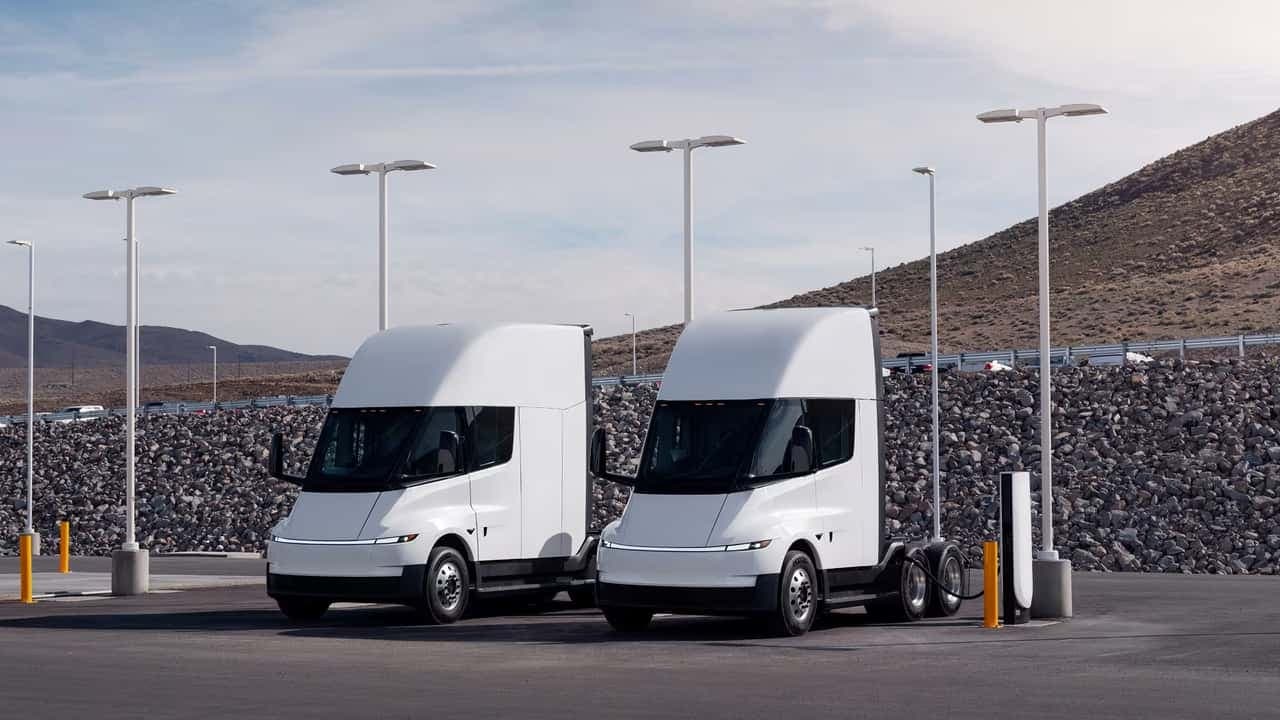
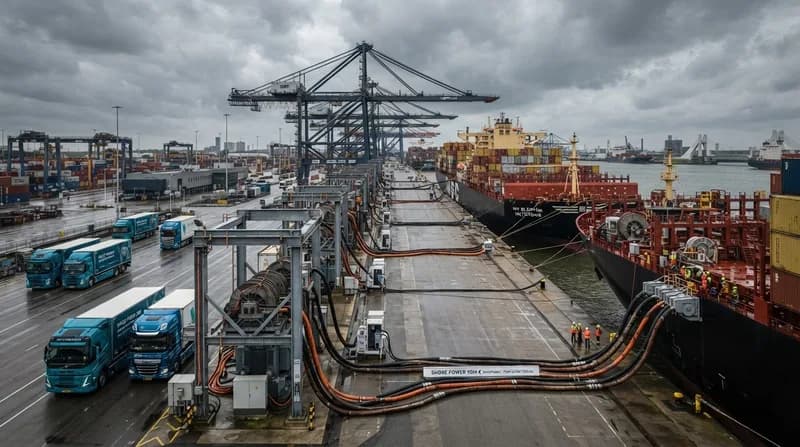
The transition to electric heavy-duty transport is reaching a critical inflection point as Vinci Concessions, in partnership with Épopée Gestion and ADEME Investissement, announces a massive €90 million investment. This capital will fuel the development of a specialized fast-charging network under the Voltix brand, designed specifically to meet the high-energy demands of electric trucks. By leveraging the Megawatt Charging System (MCS) standard, the initiative aims to slash downtime, allowing heavy vehicles to regain enough energy for 4.5 hours of driving in under 45 minutes.
The project prioritizes seamless integration into the existing logistical workflows of long-haul carriers. By aligning charging intervals with mandatory driver rest periods, the consortium aims to eliminate the friction that has historically hindered the adoption of battery-electric semi-trucks. The initial rollout includes approximately 20 strategic charging parks, beginning with a pilot site in Vierzon, France—a key junction in the heart of the national motorway network.
Expanding the European Backbone
While the first phase is concentrated in France, the long-term vision for Voltix is a truly cross-border charging corridor spanning into Germany and Spain. This trans-European approach is essential for the viability of electric freight, where trucks often cross multiple borders on a single route. By focusing on major intersections and dedicated freight hubs, the consortium is creating a backbone of infrastructure that can support the rapid growth of the electric trucking sector.
In Germany, the involvement of Voltix is already accelerating. Through the Eliso Voltix Truck Charging consortium, the entity has secured contracts to develop 25 sites as part of the broader federal truck fast-charging network. This national German effort is staggering in scope, targeting over 350 locations with a total of 4,200 charging points, split between MCS and conventional CCS standards. This synergy between private investment and public policy highlights a coordinated effort to modernize European freight transport.
Why it Matters
- Operational Efficiency: MCS technology enables ultra-fast charging that matches driver rest times, removing the "charging penalty" from logistics schedules.
- Strategic Placement: Sites are selected based on high-traffic motorways and freight hubs to ensure maximum utility for commercial operators.
- Cross-Border Scale: The integration of sites across France, Germany, and Spain creates a reliable network for international logistics firms.
- Future-Proofing: Backed by both private equity and the EU’s CEF-AFIF funding, the network is built to scale alongside the projected influx of heavy-duty electric vehicles.
As the industry moves toward high-capacity electrical architectures, the shift from standard passenger-car chargers to megawatt-capable infrastructure is mandatory. Vinci’s current investment signals that the era of heavy-duty electric trucking is no longer in the conceptual phase; it is moving firmly into the infrastructure deployment stage.