Overcoming the Distance Barrier in Depot Charging
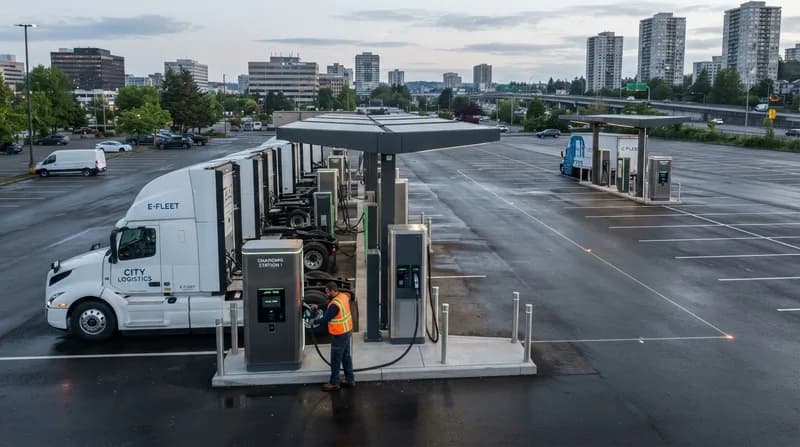
Stuttgart-based technology supplier Vector has introduced a game-changing advancement for electric fleet operators with its new vSECC.InPlug system. By addressing a long-standing constraint in direct current (DC) charging infrastructure, the company is enabling significantly more flexible design for bus and truck depots. Conventionally, charging communication controllers have been limited to a range of approximately 7.5 metres from the power electronics to the vehicle. Vector’s latest innovation shatters this limit, allowing for a distance of up to 100 metres between the charging plug and the central power unit.
The technical breakthrough lies in shifting a portion of the charging communication hardware directly into the DC plug itself. The board embedded within the connector manages power-line communication with the vehicle, while a secondary controller remains in the central switchgear cabinet to oversee overall power management, protocol negotiation, and backend connectivity. This architectural shift empowers depot operators to centralize heavy, heat-generating power electronics while distributing charging ports across vast parking areas, optimizing land use and maintenance accessibility.
Compatibility and Industry Standards
Vector has prioritized versatility by ensuring the vSECC.InPlug supports major industry protocols, including IEC 61851, DIN SPEC 70121, ISO 15118-2, and the modern ISO 15118-20. This comprehensive support is critical, as it confirms that the system is fully capable of handling bidirectional charging. As vehicle-to-grid (V2G) and smart charging integration become central to energy management, the ability to charge when power is inexpensive—or even discharge to stabilize the local grid—becomes an invaluable asset for fleet operators managing large numbers of electric buses or trucks.
To bring this hardware to market, Vector has entered into a strategic collaboration with LAPP Mobility, with plans to make the tech available via LAPP’s connector ecosystem. Furthermore, charging infrastructure manufacturers have the flexibility to integrate the vSECC.InPlug board into their own proprietary designs. This collaborative approach signals a push for standardization in high-capacity charging environments, setting a new benchmark for how industrial fleets scale their electrification efforts.
Why It Matters
- Planning Flexibility: Centralizing power electronics allows for easier cooling and maintenance of high-voltage systems away from the vehicle parking stalls.
- Scalability: By decoupling the charging point from the power cabinet, operators can expand their charging footprint without requiring expensive, localized power upgrades at every single bay.
- Future-Proofing: Full compliance with ISO 15118-20 ensures that fleets can leverage bidirectional energy flow for grid balancing and cost-optimized charging schedules.
Expanding the Ecosystem: The vCharM.DMS
In addition to the physical hardware, Vector is augmenting its software suite with the launch of vCharM.DMS, a depot management system tailored specifically for small and medium-sized bus fleets. This software acts as a central hub, synthesizing critical operational data such as parking occupancy, vehicle charge status, maintenance cycles, and scheduled departures. By syncing directly with Vector’s existing energy management platform, the system ensures that vehicles are not only charged efficiently but are ready to hit the road exactly when required, minimizing operational downtime.