The Technical Root of the Issue
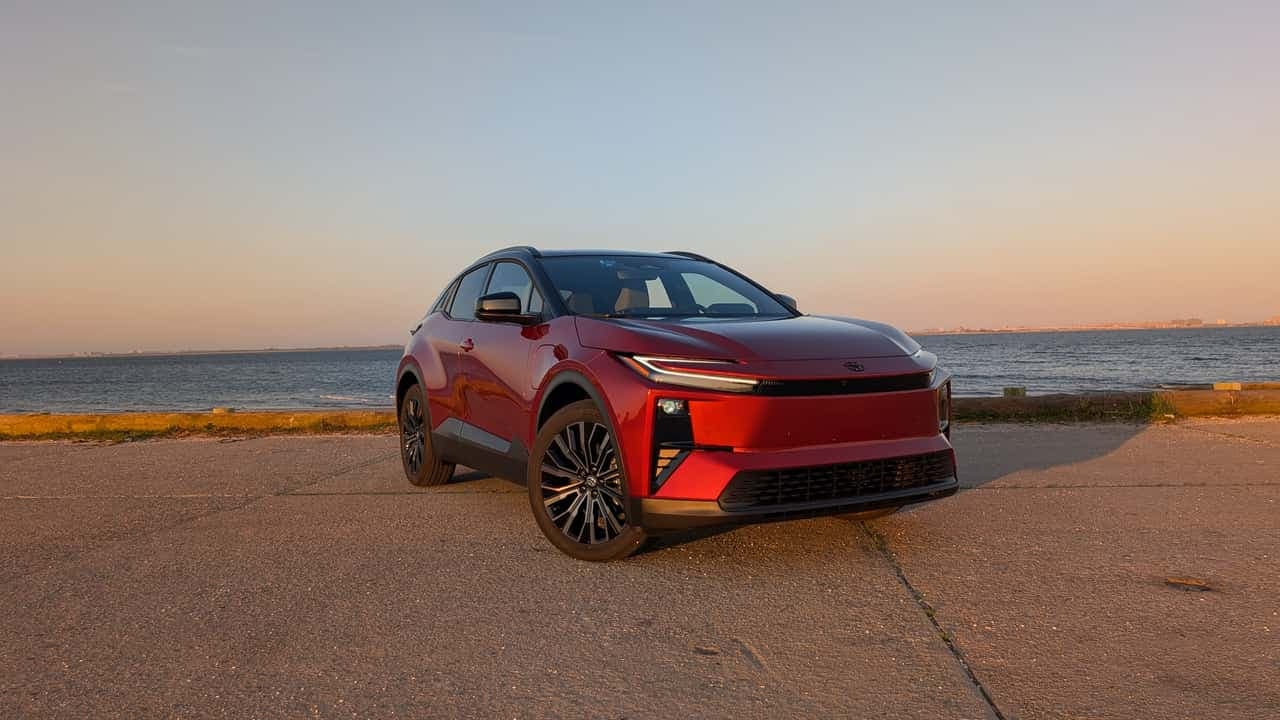
Toyota has initiated a safety recall involving approximately 10,000 units of its 2026 model-year C-HR electric crossover. The issue centers on a critical software error within the vehicle’s Battery Electric Vehicle Electronic Control Unit. Under specific conditions—namely, when the high-voltage battery is already at or near full capacity—the system may fail to properly manage energy intake during regenerative braking. Because regenerative braking essentially turns the electric motor into a generator to recoup energy, the system attempts to push that electricity back into the battery. If the battery cannot accept this charge due to its existing state of charge, the vehicle’s safety protocols trigger a system shutdown to prevent overcharging, resulting in a sudden and potentially dangerous loss of motive power while the car is being driven.
The recall highlights a growing concern in the modern automotive landscape regarding the reliance on proprietary, closed-loop software. While the fix itself is straightforward—a software update for the control unit—it requires owners to physically visit a dealership for the repair. This requirement has drawn attention to the 2026 C-HR’s lack of over-the-air (OTA) update capabilities, a feature that has become standard among many of its competitors, including Tesla and various startups, which can push patches wirelessly without requiring a service center visit.
Why it Matters: The Connectivity Gap
This recall underscores a broader industry conversation regarding legacy automakers and their transition to software-defined vehicles. Despite the 2026 C-HR being a brand-new electric platform for Toyota, it does not utilize the company's advanced 'Arene' operating system. Instead, it relies on an older infotainment architecture, which contributes to the inability to patch critical safety software remotely. As EV technology becomes increasingly integrated with complex digital systems, the gap between traditional automotive maintenance models and the 'software-first' approach favored by modern tech-forward manufacturers is becoming more pronounced.
For consumers, this is a significant inconvenience. While the recall effectively addresses a major safety hazard, the necessity of a physical dealership visit reflects the transitional stage of Toyota’s EV portfolio as it scales up production. With Toyota’s EV sales experiencing a robust 136% increase in the U.S. during the first half of 2026, the company is under immense pressure to ensure that its rapidly growing fleet remains both reliable and technologically competitive.
Implications for the Toyota EV Roadmap
Toyota has been aggressively expanding its footprint in the North American electric market with models like the updated bZ series and the Woodland edition, and the C-HR is a central piece of that strategy. While the recall represents a hurdle, it is likely to be viewed as a learning moment for the automaker’s engineering teams as they work toward integrating more sophisticated software ecosystems in future models. Moving forward, the industry will likely be watching how quickly legacy manufacturers can adopt true OTA capabilities for safety-critical components. For owners of the affected C-HR models, contacting a local dealer to schedule a service appointment is the immediate next step to ensure their vehicle’s safety systems are operating within intended parameters.