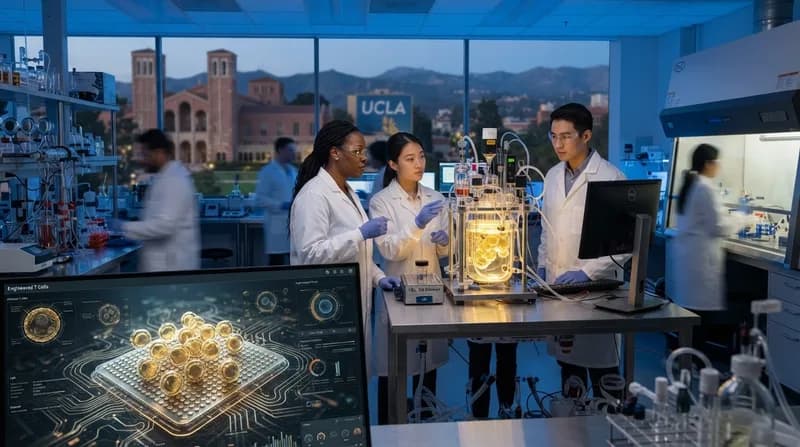
A New Frontier in Cancer Immunotherapy
Researchers at the University of California, Los Angeles (UCLA) have achieved a significant milestone in the fight against cancer by developing a scalable, off-the-shelf T-cell therapy derived from cord blood stem cells. This novel approach, detailed in a recent study published in Cell Reports Medicine, addresses several of the most persistent bottlenecks in current immunotherapy, specifically the high costs, lengthy production times, and dangerous side effects associated with patient-specific treatments.
Standard T-cell therapies often require harvesting a patient's own cells, modifying them, and re-infusing them—a process that can take weeks and cost hundreds of thousands of dollars. By using donor-derived cord blood stem cells, the UCLA team has created an "off-the-shelf" solution, dubbed AlloESO-T cells, that can be pre-manufactured, frozen, and ready for immediate deployment. This shift moves the field closer to a model where life-saving treatments are readily accessible upon diagnosis rather than custom-engineered after the fact.
The Dual-Action Mechanism
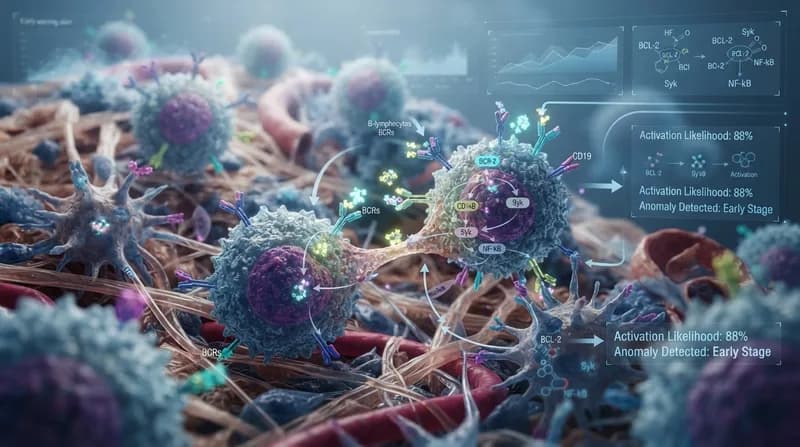
The innovation lies in how these cells are engineered. Unlike conventional CAR T-cell therapies that primarily recognize proteins on the surface of cancer cells, the UCLA-engineered AlloESO-T cells utilize T-cell receptor (TCR) therapy. This allows them to identify protein fragments from inside the cancer cell that are presented on the surface. This reach is critical for solid tumors, where many of the molecular markers that define cancer are tucked away inside the cell, rendering traditional CAR T-cell approaches ineffective.
Furthermore, the researchers have bolstered these cells with a second line of defense: natural killer cell receptors. These receptors detect stress signals commonly displayed by tumor cells. This dual-detection system creates a safety net against "antigen escape," a common survival mechanism where cancer cells stop displaying the primary marker the therapy is targeting. By providing a backup detection route, the AlloESO-T cells are significantly more likely to remain effective even as a tumor evolves or becomes more heterogeneous.
Why It Matters
- Scalability: A single batch of cord blood stem cells can be converted into trillions of therapeutic T cells, creating thousands of doses within a six-week window.
- Cost Efficiency: By moving away from personalized manufacturing, the researchers estimate the cost per dose could be as low as $5,000, a fraction of the current six-figure costs for similar therapies.
- Safety: Because the T cells are derived from stem cells before they develop their own innate, potentially reactive receptors, the risk of graft-versus-host disease—a common, dangerous side effect of donor-derived therapies—is significantly reduced.
- Broad Applicability: The platform is modular; as long as a receptor for a specific cancer antigen is validated, it can be integrated into the system to generate T cells tailored to a wide variety of solid tumors, including melanoma, ovarian, and prostate cancers.
Scaling to Clinical Reality
In preclinical models, the results have been highly promising. In mice, a single infusion of AlloESO-T cells resulted in tumor control and extended survival without the toxicity often seen with traditional donor-derived cells. The cells demonstrated an impressive ability to multiply by roughly 100-fold within the body, infiltrating tumors effectively while sparing healthy organs.
While the jump from mouse models to human patients is a significant one, the team is already laying the groundwork for clinical development. By leveraging existing infrastructure at the UCLA Health Center for Advanced Biotherapies, the researchers aim to accelerate the transition toward human clinical trials. While FDA approval remains a future hurdle, this research represents a fundamental shift in how we might manufacture the next generation of precision cancer medicine, turning specialized laboratory techniques into a scalable, accessible medical product.