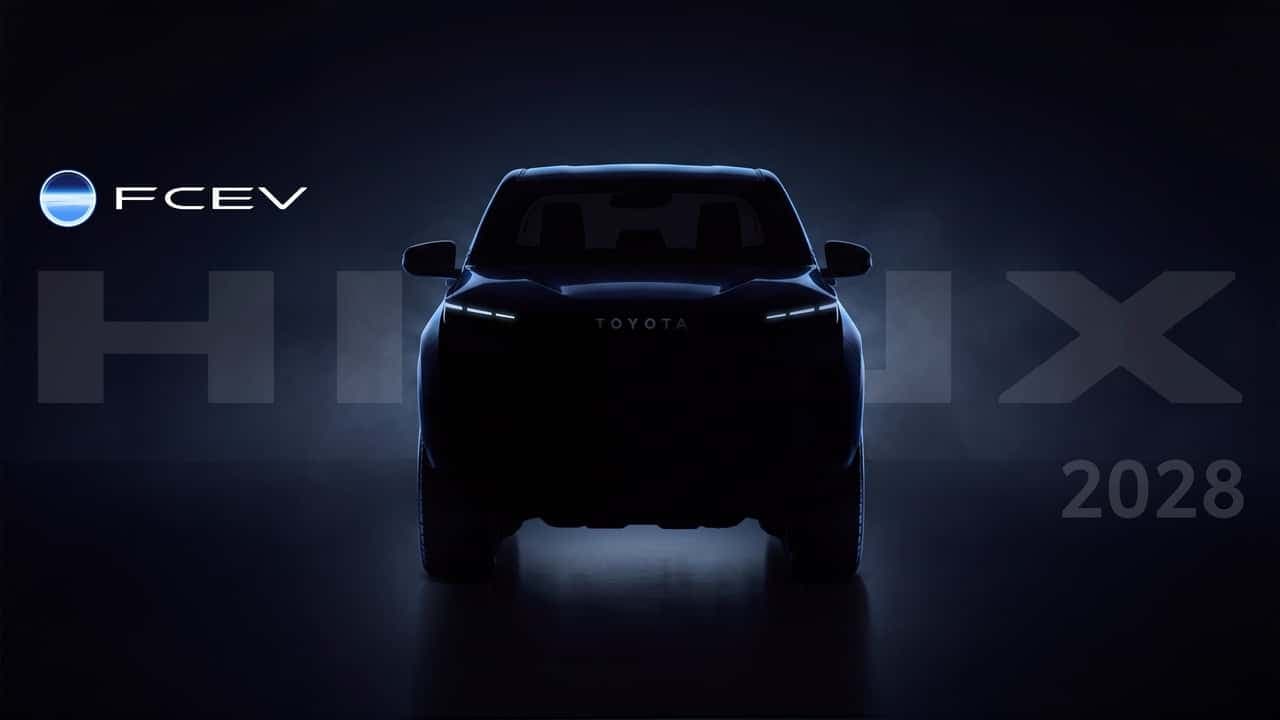
The Hydrogen-Powered Hilux Arrives in 2028
Toyota has officially confirmed that its iconic Hilux pickup truck is set to receive a hydrogen fuel cell electric vehicle (FCEV) variant, with a scheduled commercial release in 2028. This move signifies Toyota’s ongoing commitment to diversifying its powertrain options, positioning the hydrogen-powered Hilux alongside the company's existing lineup of battery-electric and mild-hybrid diesel models. By leveraging the proven technology found in the Mirai sedan, the Japanese automaker aims to provide a utilitarian solution for markets where traditional battery-electric range and refueling times may be limiting factors for heavy-duty work.
The upcoming production model is targeted to deliver a driving range of approximately 248 miles (400 kilometers) on a single tank of hydrogen. Crucially, the FCEV platform offers significant operational advantages for commercial users: the system is designed to be refueled in roughly five minutes, a dramatic improvement over the 30-minute charging cycles often required by battery-electric pickups. Furthermore, the Hilux FCEV is engineered to support a towing capacity of approximately 5,512 pounds (2,500 kg), outpacing the 4,410-pound limit associated with current all-electric iterations of the platform.
Infrastructure and Technical Implications
While the performance figures of the Hilux FCEV are compelling, the broader challenge remains the accessibility of hydrogen refueling infrastructure. In Europe, where the vehicle is initially slated for launch, the density of hydrogen stations remains sparse, with under 200 operational sites reported. This stands in stark contrast to the rapidly expanding network of over a million public electric chargers, highlighting the logistical hurdles that early adopters may face. However, for fleet operators with dedicated fueling infrastructure, the Hilux FCEV offers a compelling zero-emission alternative that maintains the rugged, ladder-frame utility expected of the Hilux nameplate.
Why it Matters
The development of the hydrogen Hilux reflects a strategic hedge against the potential limitations of pure battery-electric vehicles in demanding, high-load applications. By utilizing hydrogen, Toyota can sidestep the weight penalties associated with massive battery packs while providing faster turnaround times for work-focused customers. This approach essentially creates a niche for hydrogen in the commercial sector, where uptime and towing performance are the primary metrics for success.
Outlook and Development Path
- Prototypes: Toyota has been iterating on this technology since 2022, starting with the first Hilux H2 prototype.
- Testing: A fleet of 10 test vehicles has been deployed as of 2024 to refine the integration of the three hydrogen tanks within the chassis.
- Architecture: Future iterations will need to finalize the drivetrain configuration, specifically deciding whether the production model will offer all-wheel drive or maintain a rear-wheel drive setup.
- Environmental Impact: The FCEV produces no harmful exhaust emissions, effectively turning the tailpipe into a water-vapor outlet, contributing to Toyota's multi-pathway strategy for carbon neutrality.
As 2028 approaches, the industry will be watching closely to see if Toyota can scale the production of this FCEV to a price point that makes it competitive with traditional diesel-powered trucks, potentially setting a new benchmark for clean, heavy-duty logistics.