Unlocking the Mystery of Volcanic Intensity
Why do some volcanic eruptions manifest as gentle, creeping rivers of molten rock, while others propel massive jets of lava thousands of feet into the atmosphere? For decades, volcanologists have grappled with the precise internal mechanics that dictate the character of an eruption. A pioneering study led by researchers at The University of Manchester has identified a critical, previously overlooked variable: the thermal history of magma before it reaches the surface.
By analyzing volcanic material from the 2021 Tajogaite eruption in La Palma, Spain, the research team found that a phenomenon known as 'superheating' acts as a primary control on eruption style. Superheating occurs when magma reaches temperatures significantly higher than the threshold required for mineral crystal stability. This extra energy effectively resets the chemical and physical composition of the molten rock, setting the stage for vastly different eruptive outcomes.
The Science of Crystallization Delays
Under standard subterranean conditions, cooling magma inevitably begins to crystallize. Tiny existing crystals—often referred to as 'seeds'—provide a foundation for new crystal growth. As these crystals proliferate, they increase the magma's viscosity, effectively thickening the molten mixture and creating a structural resistance that slows its ascent through the Earth's crust. This process also allows volcanic gases to escape more easily, typically leading to effusive, lower-energy eruptions.
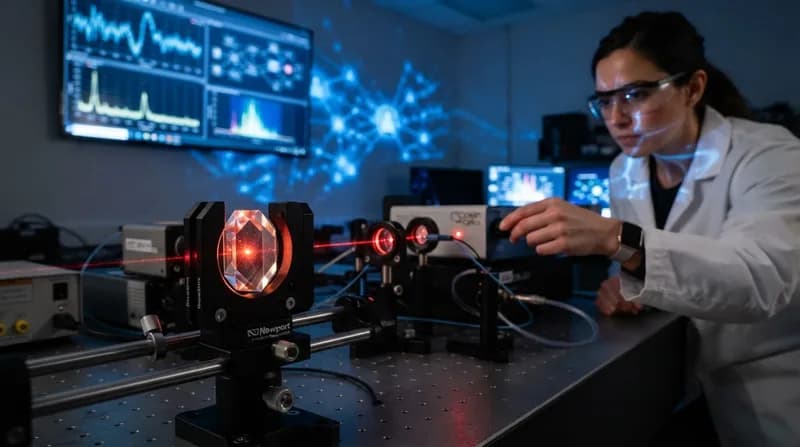
The study highlights how superheating disrupts this natural progression in two distinct ways. First, the extreme heat dissolves the microscopic crystal seeds that would otherwise trigger rapid crystallization. Second, it alters the internal structure of the molten material, creating a more uniform state that resists the nucleation of new crystals. Through the use of advanced synchrotron X-ray microtomography—which allowed researchers to observe volcanic samples in real-time within a custom-built, X-ray transparent pressure vessel—the team observed a staggering difference: while standard magma began crystallizing in roughly 20 minutes, superheated samples remained fluid and crystal-free for more than eight hours.
Implications for Volcanic Hazard Forecasting
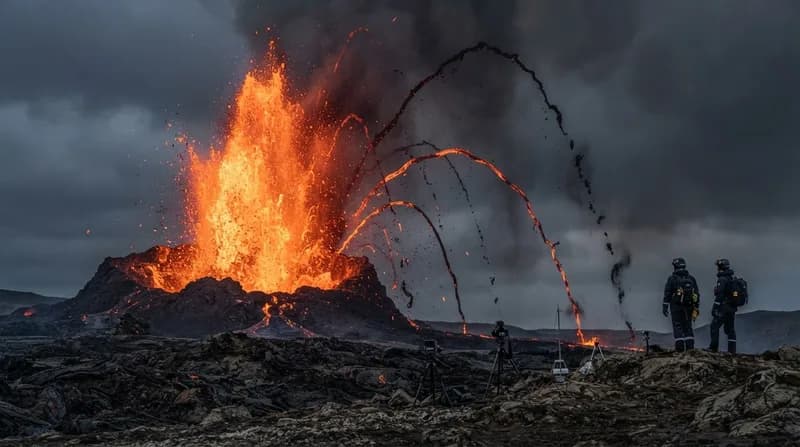
This eight-hour window of fluidity has profound implications for how magma behaves as it rises toward the surface. When crystallization is delayed, the magma remains thin and highly mobile. Computer simulations performed by the team suggest that this lower viscosity allows the magma to ascend with minimal resistance, maintaining the pressure necessary to propel it into dramatic, high-altitude lava fountains once it breaches the surface. In contrast, magma that crystallizes early thickens, allows gases to vent prematurely, and typically results in slower, less explosive flows.
Why it Matters
- Enhanced Hazard Assessment: Integrating thermal history and crystallization kinetics into existing models could significantly improve our ability to predict whether a volcano will produce a lava flow or a high-energy fountain.
- Advanced Imaging Techniques: The development of synchrotron X-ray microtomography for in situ volcanic monitoring represents a massive leap forward in our ability to witness deep-earth processes as they happen.
- Refined Forecasting: Current monitoring methods, which focus primarily on chemistry and gas emissions, now have a vital new piece of the puzzle to account for when assessing the risks posed to local communities.
The researchers emphasize that while this discovery does not render previous volcanic models obsolete, it adds a critical layer of complexity to the field. By understanding that two volcanoes with identical chemical signatures can behave differently based on their prior heating cycles, scientists are now better equipped to interpret the subtle, often-conflicting signals sent by active volcanic systems. As the field moves toward more granular, dynamic forecasting, these findings will likely become a cornerstone for future volcanic hazard mitigation strategies.