The Rise of the Diesel-Electric Workhorse
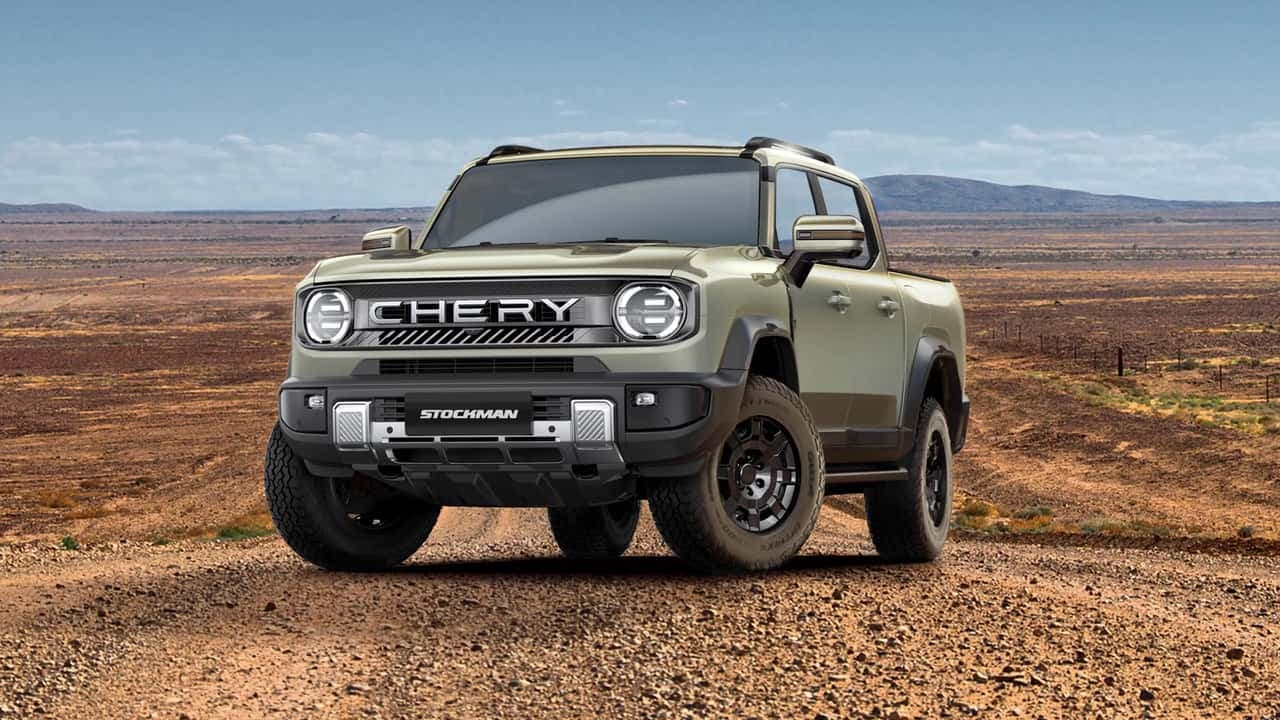
For years, the automotive industry has largely relegated the diesel plug-in hybrid (PHEV) to the history books, noting the complexity of maintaining an internal combustion engine that frequently turns on and off. However, Chinese automaker Chery is betting that modern engineering can solve these longevity issues with the introduction of the Chery Stockman. Designed specifically for the rugged and high-demand Australian market, this vehicle aims to bridge the gap between traditional heavy-duty capability and the modern mandate for fuel efficiency.
By combining a high-voltage battery system with a robust turbo-diesel engine, the Stockman attempts to offer the best of both worlds: the immense torque required for towing and long-distance travel, and the zero-emission capability for short, urban commutes. With Australia’s unique geography requiring long stretches of driving between remote locations, the vehicle is positioned as a direct competitor to stalwarts like the Toyota Hilux and Ford Ranger.
Engineering and Performance Specs
At the heart of the Chery Stockman is a 2.5-liter turbo-diesel engine paired with an integrated electric motor. This powertrain configuration delivers an impressive combined output of 469 horsepower and a massive 590 pound-feet of torque. This immense pulling power is essential for the truck's rated towing capacity of 7,716 pounds (3,500 kg), placing it firmly in the same league as top-tier mid-size competitors.
The vehicle features a sophisticated four-wheel-drive system complete with a solid rear axle, a low-range transfer box, and three locking differentials, signaling that it is built for genuine off-road capability rather than just urban posing. While the specific integration of the electric motor remains proprietary, the layout suggests an arrangement nestled between the engine and transmission, a setup designed to maximize torque delivery across various terrains.
Efficiency and Interior Technology
The core promise of the Stockman is its fuel efficiency, which Chery claims can reach as high as 117.6 mpg (2 l/100 km) under optimal conditions. This figure relies on the utility of its 34-kilowatt-hour battery, which provides a claimed 62-mile (100 km) electric-only range on the NEDC cycle. While real-world EPA-equivalent figures will likely be lower, the potential for reduced fuel stops during daily operations is a significant selling point for cost-conscious fleet buyers and private owners alike.
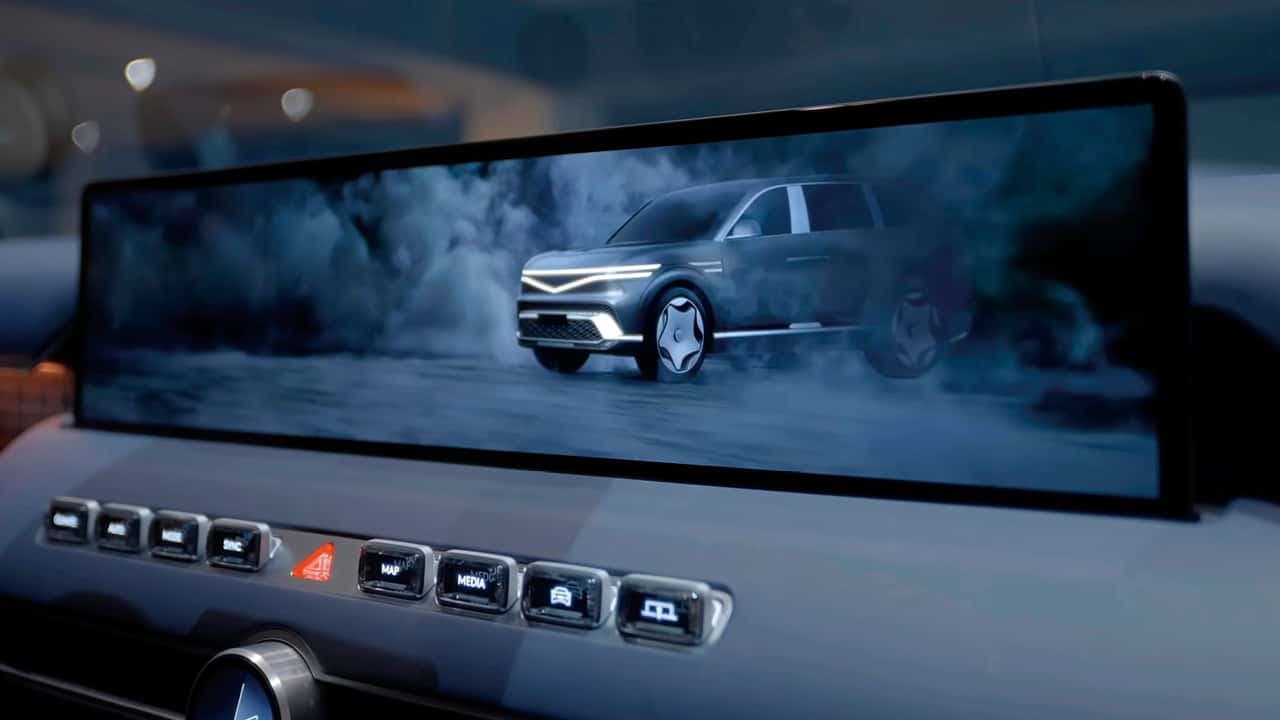
Inside, the cabin is far from a utilitarian base model. It boasts a modern suite of features including heated and ventilated front seats, premium leather upholstery, and a dual-zone climate control system. The dashboard is dominated by two large digital displays paired with a color head-up display, ensuring the driver has access to essential vehicle data at a glance. Additionally, the truck supports Vehicle-to-Load (V2L) functionality, allowing owners to power tools or equipment directly from the onboard high-voltage battery via sockets located in the truck bed.
The Road Ahead: Implications and Challenges
While the technical specifications are impressive, the Stockman faces the inherent challenges of any complex hybrid system. Diesel engines rely on exhaust fluid (DEF) systems and particulate filters, components that can potentially face reliability issues if the internal combustion engine is not run frequently enough due to heavy reliance on the electric motor. Whether the vehicle can maintain its longevity in the harsh Australian climate remains to be seen.
- Engine: 2.5-liter turbo-diesel
- System Output: 469 hp / 590 lb-ft torque
- Battery: 34 kWh capacity
- Towing: 7,716 lbs (3,500 kg)
- Tech: Dual-screen cockpit, V2L bed outlets
Ultimately, the Stockman represents an ambitious test of whether a hybrid diesel can serve as the ultimate bridge technology for heavy-duty pickup users who aren't quite ready to commit to a full battery-electric vehicle.