Bridging the Urban Charging Gap
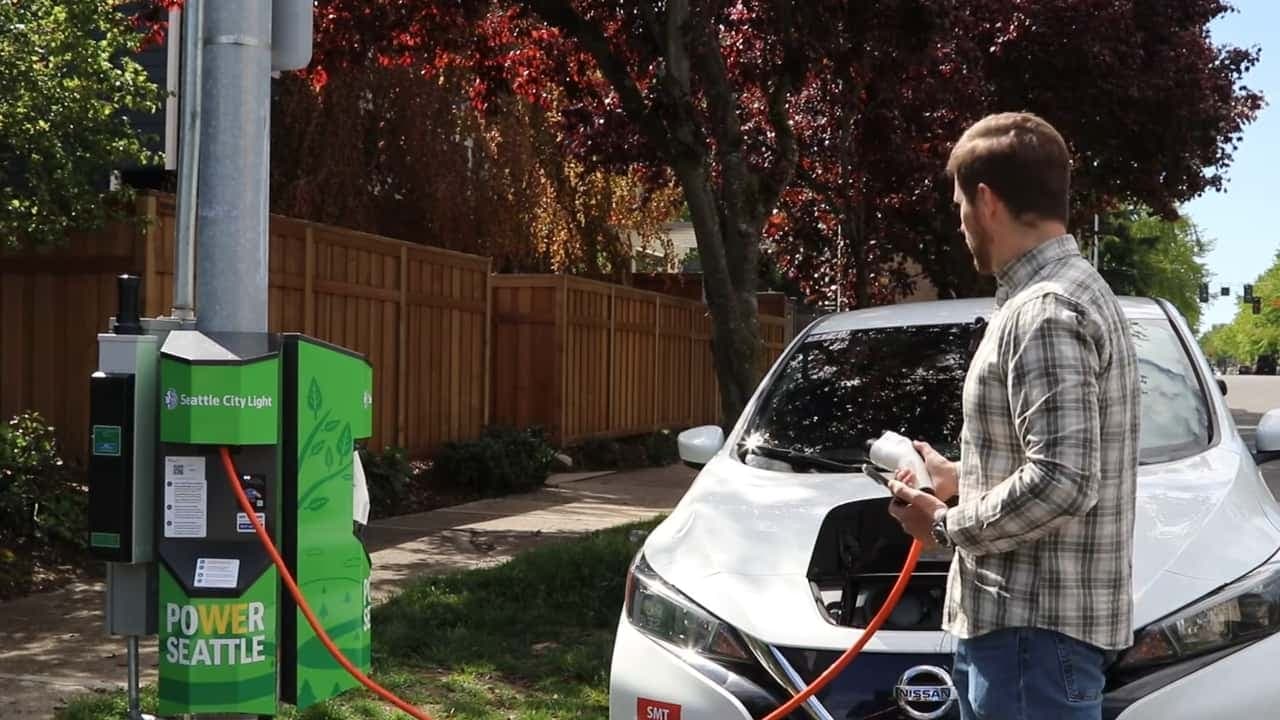
For the millions of city dwellers living in apartments or condominiums, the dream of owning an electric vehicle often hits a wall—literally. Without the luxury of a private driveway or a dedicated garage for home charging, EV ownership frequently relies on the expensive and time-consuming process of hunting for public DC fast-charging stations. Seattle is taking a bold step to dismantle these barriers, announcing a major project to install up to 200 new curbside Level 2 charging stations specifically tailored for residents in multifamily housing.
The initiative, spearheaded by Seattle City Light in collaboration with the Seattle Department of Transportation (SDOT), is fundamentally shifting how urban infrastructure supports green mobility. By placing chargers directly on city streets near residential hubs, the city aims to normalize the 'park and plug' lifestyle that has already seen success across various European cities. This move is not just about convenience; it is a strategic effort to encourage EV adoption among those who were previously excluded from the transition due to housing constraints.
Community-Driven Deployment
One of the most innovative aspects of this program is its participatory nature. Seattle is inviting its citizens to take an active role in shaping their local infrastructure by allowing residents to submit applications for new charger locations through the official Seattle City Light portal. By crowdsourcing location data, the city ensures that resources are deployed exactly where demand is highest, rather than relying solely on top-down municipal projections.
The selection process is highly methodical. The city will review applications and roll out installations in batches of 40 to 50 sites, with design and permitting phases slated to begin in the spring of 2027. Construction is expected to follow in the fall of that year, with a steady rollout continuing through 2030. Priority is being given to areas characterized by high densities of multifamily dwellings, underserved neighborhoods with limited existing charging options, and regions identified through a 'walk score' metric that favors locations near parks and businesses.
Why It Matters
- Equitable Access: By focusing on apartment-heavy zones, the program ensures that renters—not just homeowners—can benefit from the lower costs of EV ownership.
- Utilization Rates: Integrating chargers into walkable urban environments ensures high turnover and frequent usage, preventing the 'stranded asset' syndrome common in poorly placed charging stations.
- Funding Stability: The project is backed by a robust $1.55 billion transportation levy, securing $21 million specifically for this infrastructure over the next several years.
A Proven Path Toward Scale
This initiative builds upon a successful 2023-2024 pilot program that established 58 chargers across 31 local sites. The data from that initial trial was overwhelmingly positive, boasting roughly 45,000 charging sessions in just one year. This clear evidence of high demand provides the city with the confidence needed to scale the network to 200 units by the decade's end.
With a current cost of $0.21/kWh and a power output of 9.6 kW, these curbside stations offer a reliable, cost-effective solution for overnight or long-duration charging. As cities like New York, Detroit, and San Francisco follow similar paths, Seattle’s model stands as a potential blueprint for how major metropolitan areas can adapt their aging streetscapes to meet the realities of the modern electric vehicle age.