Electric VehiclesTechnical Deep Dive

Ford Fathom Transforms Home Backup Tech with Integrated Inverter Design

Published
EElectricBuzz Editorial Team
Ford Fathom Transforms Home Backup Tech with Integrated Inverter Design
3 min read449 wordsElectricBuzz Editorial Team

The Gist

“Ford’s upcoming $30,000 Fathom electric truck simplifies home backup power by moving the DC-to-AC conversion hardware inside the vehicle.”

The Evolution of Vehicle-to-Home Power

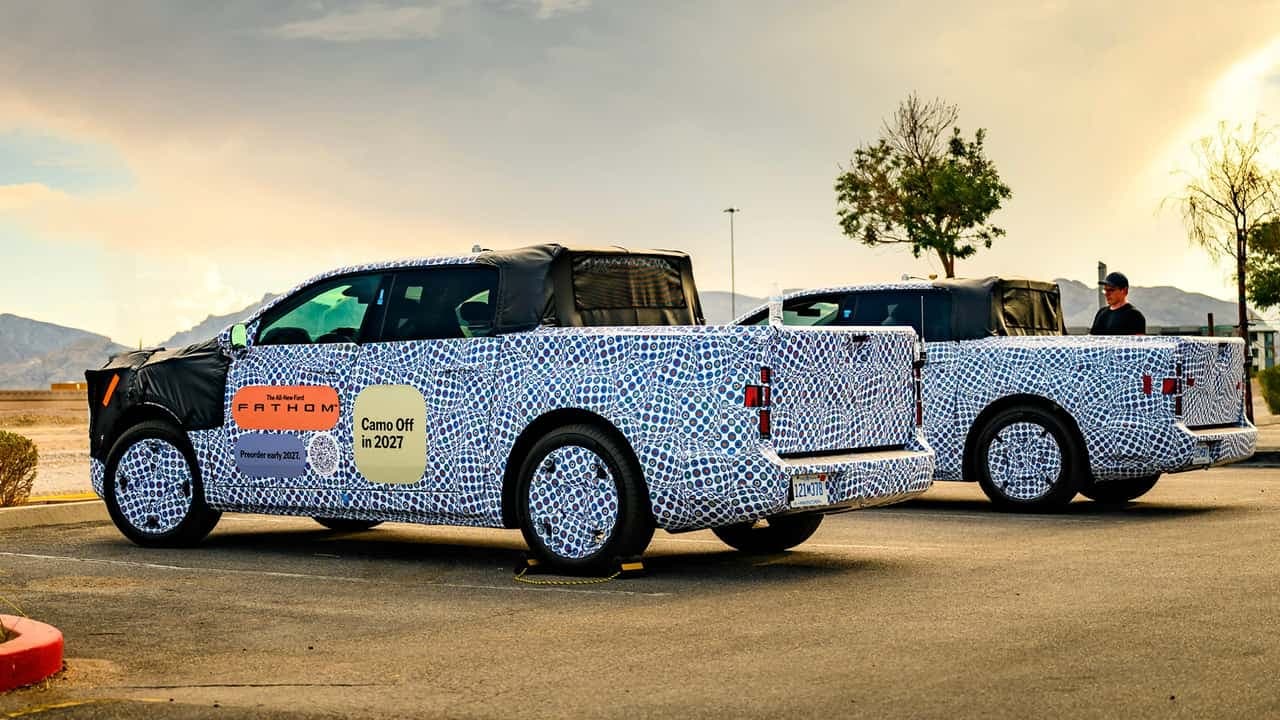
As the demand for resilient home energy solutions grows in the face of unpredictable power grids and rising electricity costs, electric vehicles are moving from simple modes of transportation to mobile power plants. Ford is positioning its upcoming Fathom electric truck—slated for a sub-$30,000 entry point—as a critical player in this transition. By integrating advanced bidirectional charging capabilities directly into the vehicle's architecture, Ford is making home energy backup more accessible than ever before.

Unlike previous attempts at widespread vehicle-to-home (V2H) implementation, such as the Ford F-150 Lightning, the Fathom takes a refined approach to hardware. The core innovation lies in the vehicle's ability to output over 10 kilowatts of AC power without relying on a bulky, expensive external DC-to-AC inverter. This is made possible by Ford's new E-Box design, one of the truck's five primary electrical modules, which handles the power conversion internally. This shift is a significant departure from current market standards, where many EVs—including the Tesla Cybertruck—still require an external bidirectional charger to bridge the gap between the vehicle’s DC battery and a home’s AC circuit.

Hardware and Cost Implications

Ford has disclosed that the home backup ecosystem for the Fathom consists of two main components: the Home Power Station and the Home Backup Panel. By removing the need for a separate, external inverter, Ford has managed to slash the cost of entry for consumers. While the original Charge Station Pro used for the F-150 Lightning debuted at over $1,300, Ford estimates that the total hardware cost for the Fathom's setup will be roughly 40% of the cost of the previous generation's $5,205 system. This brings the expected price for the necessary charging and integration hardware to approximately $2,000.

Why It Matters

  • Grid Independence: With a 10kW output, the Fathom can sustain essential household appliances during outages, providing a clean alternative to gas-powered generators.
  • Cost Efficiency: By consolidating the DC-to-AC inverter within the vehicle, Ford lowers the barrier to entry, making V2H technology viable for a broader segment of the market.
  • Streamlined Installation: While specialized electrical work like trenching or panel upgrades may still be required based on specific home configurations, the elimination of external hardware simplifies the overall infrastructure setup.

The strategic shift to internalize conversion hardware is a clear indicator that Ford is prioritizing mass adoption for its affordable truck segment. By ensuring that the most complex components are housed within the vehicle itself, the automaker creates a more plug-and-play experience for homeowners. While potential buyers should keep in mind that installation labor and electrical code upgrades can vary, the reduction in specialized proprietary hardware costs represents a major milestone in turning electric pickups into genuine home energy assets.

SPONSORED
The 5 Best Over-Ear ANC Headphones of 2026, Tested & Ranked
Editor's Pick Guide
92/100
Tech & Gadgets•12 min read

The 5 Best Over-Ear ANC Headphones of 2026, Tested & Ranked

We locked five over-ear ANC picks for 2026 — Sony WH-1000XM6, Bose QuietComfort Ultra 2, Soundcore Space One, Sennheiser Momentum 5, and Apple AirPods Max 2 — then stress-tested them on lab metrics, long-term owner truth, and live street prices.

Related Stories

Semantically matched articles, ranked by topic overlap and freshness.

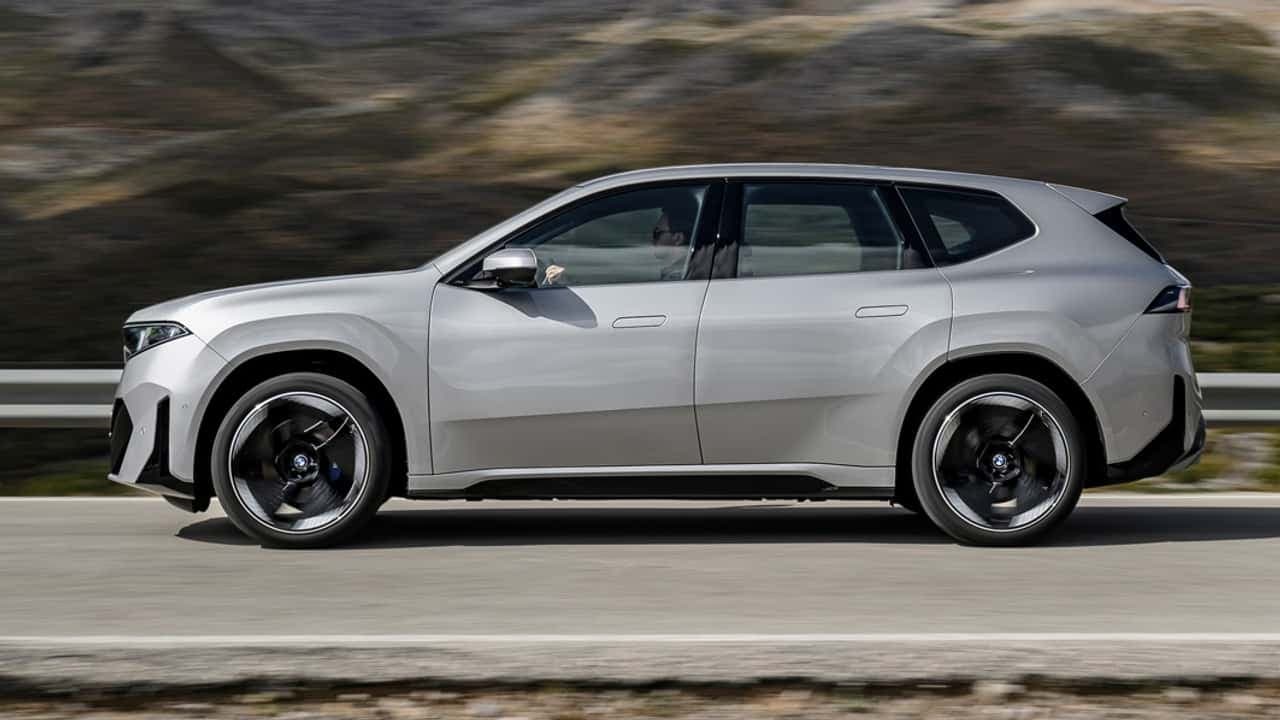
BMW Sweetens the Deal for 2027 EV Buyers With $500 Charging Credit
Electric Vehicles

BMW Sweetens the Deal for 2027 EV Buyers With $500 Charging Credit

BMW is incentivizing the transition to its upcoming 2027 electric lineup by offering new buyers $500 in public charging credits and exclusive membership perks.

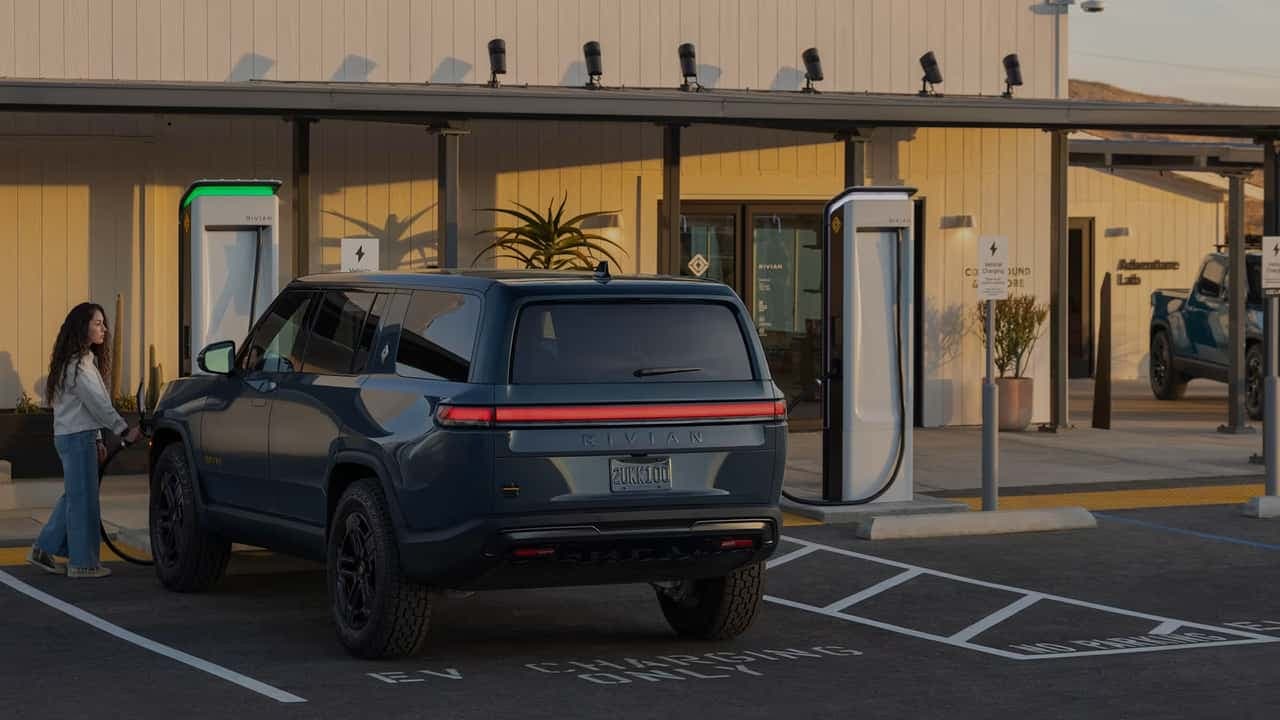
Rivian Doubles Down on Proprietary Charging as Adventure Network Hits Growth Milestone
Electric Vehicles

Rivian Doubles Down on Proprietary Charging as Adventure Network Hits Growth Milestone

Despite wider industry trends toward shared charging standards, Rivian is aggressively expanding its own high-speed DC charging infrastructure, which has grown by 39% over the past year.

The End of the Combustion-Only Era: How America's Top SUVs Are Going Electric
Electric Vehicles

The End of the Combustion-Only Era: How America's Top SUVs Are Going Electric

With Toyota and Honda moving their best-selling SUVs to hybrid-only platforms, the landscape of the American automotive market is undergoing a fundamental shift toward electrification.

Allye Energy’s New Battery-Buffered Charger Bypasses Expensive Grid Upgrades
Electric Vehicles

Allye Energy’s New Battery-Buffered Charger Bypasses Expensive Grid Upgrades

By repurposing second-life EV batteries, this innovative 400 kW charger allows businesses to deploy high-speed charging without waiting months for grid infrastructure updates.

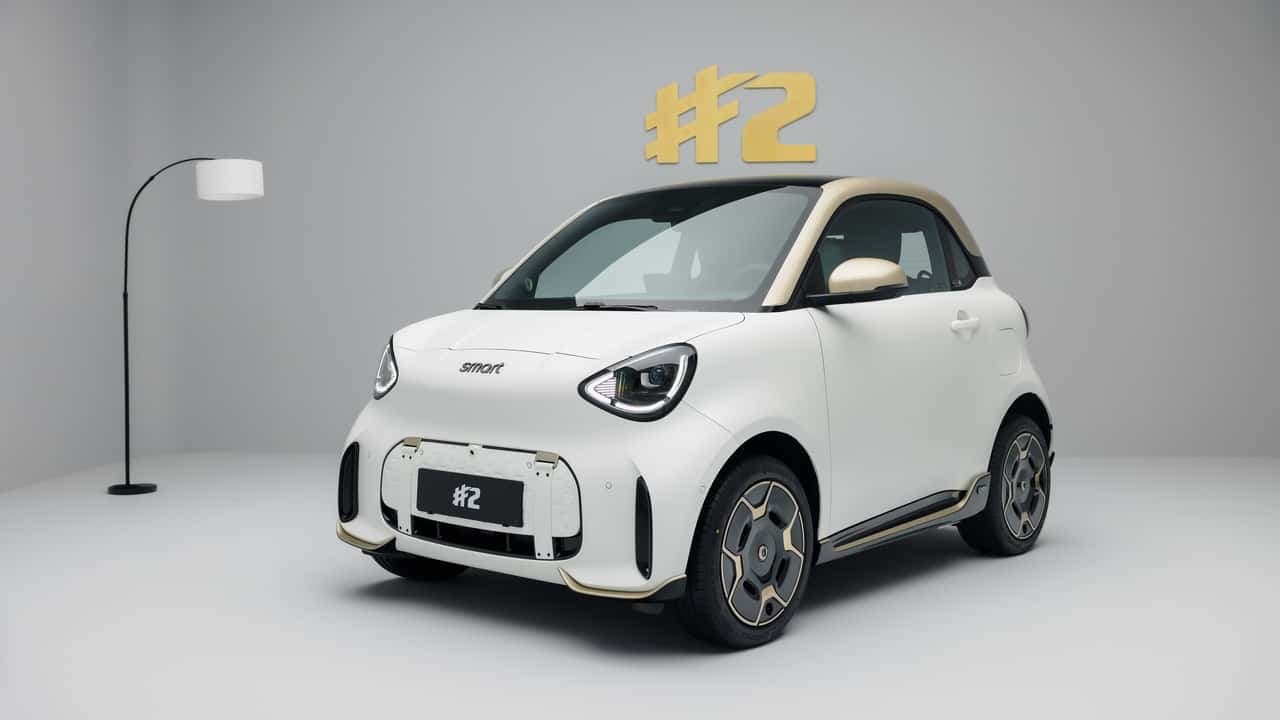
Smart’s Return to Form: The #2 EV Couture Edition Sells Out Instantly
Electric Vehicles

Smart’s Return to Form: The #2 EV Couture Edition Sells Out Instantly

The iconic two-seater returns with a massive demand spike as the limited-run Smart #2 Couture Edition clears its inventory in record time.

Scout Motors Begins Validation Builds at South Carolina Factory
Electric Vehicles

Scout Motors Begins Validation Builds at South Carolina Factory

Scout Motors has reached a major production milestone, as the company begins building validation vehicles at its South Carolina facility ahead of a 2028 market launch.

BYD Debuts Solar-Powered, Hands-Free EV Charging Oasis in the Desert
Electric Vehicles

BYD Debuts Solar-Powered, Hands-Free EV Charging Oasis in the Desert

BYD is pushing the boundaries of charging infrastructure with a new off-grid, solar-powered station featuring a robotic arm for fully autonomous, hands-free replenishment.

Solid Power Targets U.S. Battery Resurgence with Solid-State Electrolytes
Electric Vehicles

Solid Power Targets U.S. Battery Resurgence with Solid-State Electrolytes

Colorado-based Solid Power is betting on sulfide-based solid-state technology to revitalize the American battery industry and bridge the gap with Asian manufacturers.