The Path to U.S. Battery Independence
For decades, the global battery market has been dominated by Asian giants, leaving American manufacturers scrambling to close the gap. However, a new wave of innovation centered on solid-state technology may be the key to shifting that momentum. Colorado-based Solid Power is at the forefront of this movement, proposing a strategy that focuses on specialized electrolyte production to help domestic firms regain their competitive edge.
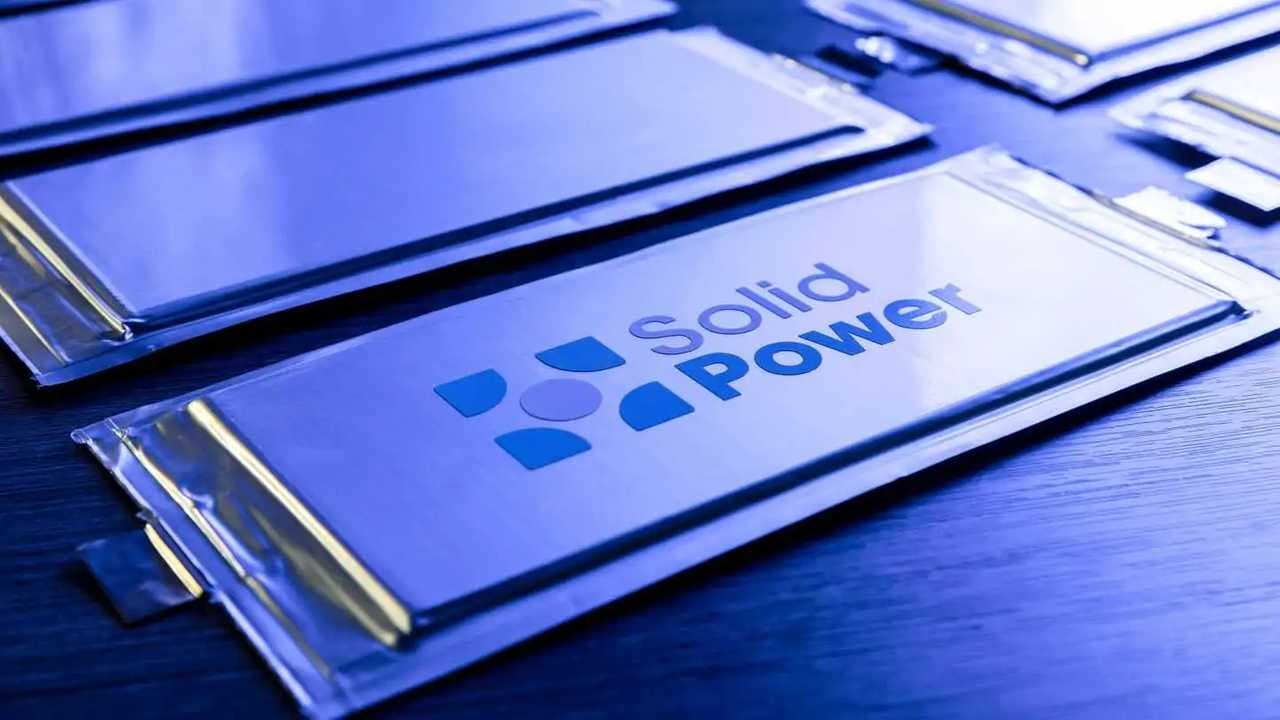
Solid-state batteries are widely viewed as the next evolutionary step for electric vehicles, offering the potential for significantly higher energy density, improved charging speeds, and a drastic reduction in fire risks compared to conventional liquid-electrolyte lithium-ion cells. While other startups are attempting to manufacture complete battery units, Solid Power is positioning itself as a vital component supplier, providing the specialized sulfide-based electrolytes that serve as the foundation for the next generation of energy storage.
The Mobius Pilot Line and Strategic Partnerships
The company’s strategy reached a significant milestone with the commissioning of its Mobius pilot production line in Thornton, Colorado. This facility is designed to produce 45 metric tons of solid electrolyte annually, which, when combined with existing operations, will provide a total capacity of 75 metric tons per year. By supplying these materials to established manufacturers, Solid Power enables companies to integrate cutting-edge battery tech into existing production workflows without the need for radical, expensive factory overhauls.
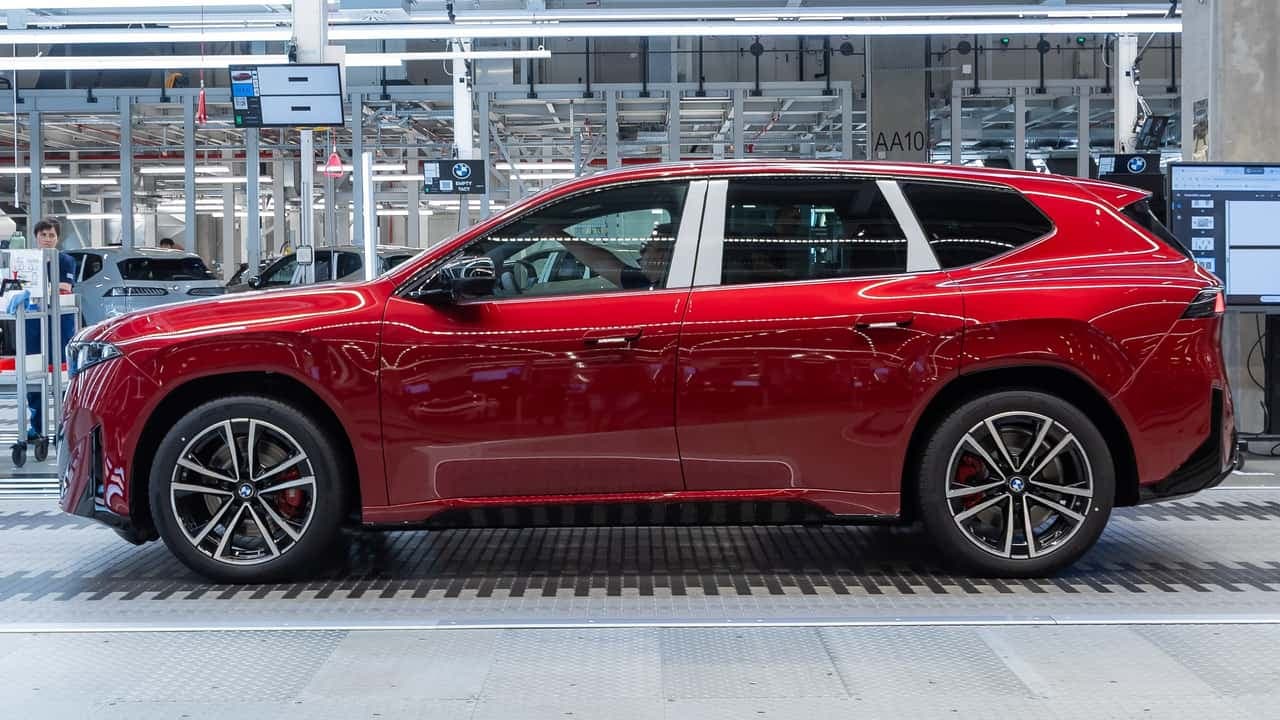
Solid Power has already solidified its influence through high-profile collaborations with industry heavyweights, including Ford, BMW, and Samsung SDI. Through these joint development agreements, the firm is working to refine the manufacturing process at scale. The partnership with BMW and Samsung SDI is particularly notable, as it leverages Solid Power’s electrolyte expertise alongside Samsung’s manufacturing prowess and BMW’s vehicle-level integration, creating a robust ecosystem for bringing the technology to commercial EVs by the end of the decade.
Performance and Future Implications
The technical potential of this sulfide-based approach is staggering. When integrated with a silicon anode and a nickel manganese cobalt (NMC) cathode, the material can theoretically achieve energy densities of 390 watt-hours per kilogram, with the potential to push toward 440 Wh/kg when paired with a lithium-metal anode. These figures represent a near-doubling of the energy density typically found in today’s standard liquid-electrolyte batteries.
Why It Matters
- Manufacturing Compatibility: Unlike technologies that require entirely new infrastructure, Solid Power’s electrolyte is designed to be compatible with standard roll-to-roll production equipment, significantly lowering the barrier to entry for legacy battery manufacturers.
- Energy Density Leap: Achieving 440 Wh/kg could revolutionize EV range, making longer-distance travel more accessible and reducing the overall weight of vehicle battery packs.
- Strategic Resilience: By focusing on a core ingredient rather than a finished product, Solid Power creates a scalable business model that can support multiple automakers simultaneously, rather than competing against them.
Looking ahead, Solid Power is keeping a pragmatic eye on market adoption. While high-end electric vehicles remain the primary target for the late 2020s, the company is also looking toward shorter-cycle markets—such as robotics, drones, and defense applications—to refine its technology further. By proving the reliability and safety of its solid-state electrolytes in these demanding environments, the company hopes to clear the final hurdles before mass-market automotive electrification truly shifts to the solid-state era.