The Strategic Retreat from Infrastructure
In a move that signals a significant shift in automotive strategy, Mercedes-Benz has officially exited the European EV charging market. Through a silent transaction disclosed in its recent third-quarter financial reporting, the German automaker sold its entire European fast-charging network to the French operator Electra. This divestment, which involved assets valued at approximately 99 million euros ($111 million), marks the end of Mercedes-Benz’s ambition to act as a direct infrastructure provider on the continent.
The sale includes 374 high-speed charging ports spread across 47 European locations. Following the acquisition, Electra has integrated these sites into its own growing portfolio, initiating a transition that includes updating branding and upgrading payment terminal hardware at all former Mercedes-branded stations. For the average consumer, this means the familiar Mercedes-branded plugs will soon carry the Electra nameplate, though the functionality and high-speed delivery remain intact.
Why It Matters: Economies of Scale and Consolidation
The decision to offload these assets highlights the brutal reality of the modern charging ecosystem. Developing and maintaining a high-performance charging network requires immense capital expenditure and operational oversight. As industry experts note, the market is currently experiencing a wave of consolidation. Smaller, proprietary networks often struggle to achieve the economies of scale necessary for long-term profitability. By exiting the space, Mercedes-Benz is avoiding the ongoing financial strain of maintaining a boutique network while refocusing its resources on core vehicle manufacturing.
Instead of building its own "walled garden" of chargers, Mercedes-Benz is choosing to leverage its weight as a premium partner. By aligning with established, large-scale operators like Electra and Ionity, the brand secures broader access for its customers without the burden of infrastructure ownership. This "asset-light" approach allows the company to offer its drivers discounted rates across a massive combined footprint of over 5,000 chargers in Europe, significantly enhancing the value proposition for Mercedes owners compared to a limited, proprietary network.
The Road Ahead: North America Remains Intact
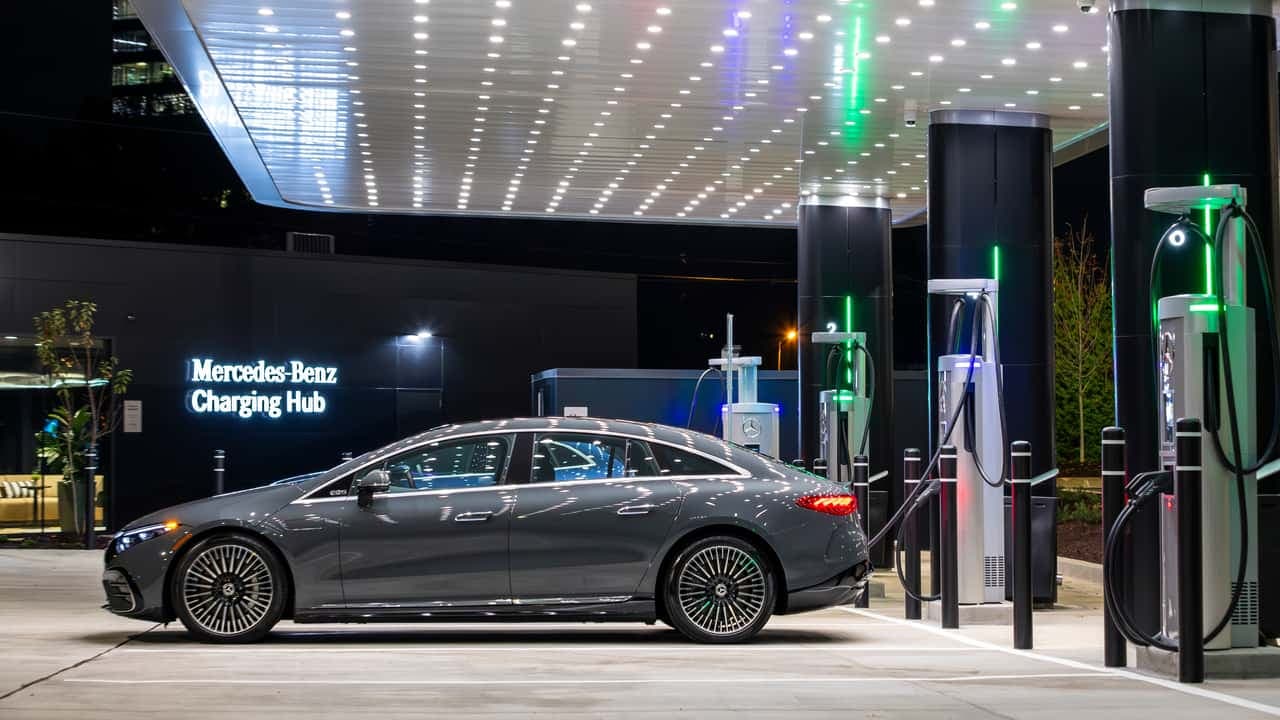
It is important to clarify that this strategic pivot is specific to the European theater. The Mercedes-Benz High-Power Charging network in North America remains unaffected by the sale, with the company continuing its efforts to scale operations across the United States and Canada. As of the latest industry data, the North American footprint boasts roughly 748 charging ports at 80 locations in the U.S., alongside additional infrastructure in Canada.
The broader vision of the company—which initially included a goal of establishing 10,000 fast-charging stalls globally by 2030—appears to be shifting toward an ecosystem model rather than a purely proprietary one. While early efforts saw the deployment of cutting-edge 400-kilowatt dispensers and even experimental 1,000-kilowatt-capable stalls, the future of the brand’s charging strategy will clearly rely on third-party collaborations. By handing the reins to infrastructure specialists, Mercedes-Benz aims to ensure its customers enjoy a seamless charging experience that grows in tandem with the broader public charging grid, rather than getting stuck in the logistical bottlenecks of operating its own power stations.