The Path to Production
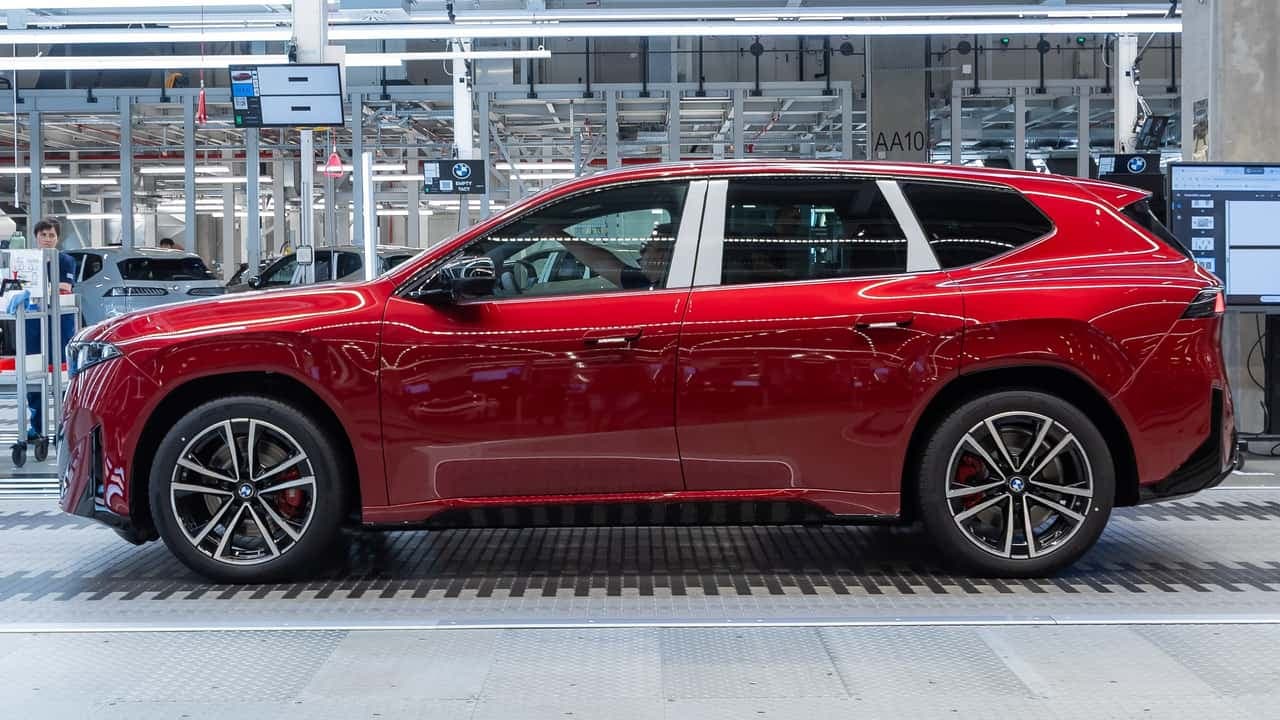
Scout Motors has officially marked a critical milestone in its journey to revive the iconic brand, confirming that its state-of-the-art South Carolina factory has begun the construction of validation vehicles. While these early units are not intended for consumer purchase, they serve as the vital bedrock for the company's future. These vehicles are being put through rigorous real-world testing environments, allowing engineers to refine design elements, test assembly line precision, and troubleshoot complex manufacturing processes before the official production ramp-up commences.
This aggressive timeline places the brand on a trajectory toward a 2028 model year launch. With roughly a year of development time remaining before the factory pivots to creating final, sellable units, the team is under pressure to lock in specifications. By signaling this early progress, Scout aims to demonstrate operational maturity in an automotive climate where many high-profile EV initiatives have faced significant delays or outright cancellations.
Strategic Pivot to Range-Extended Power
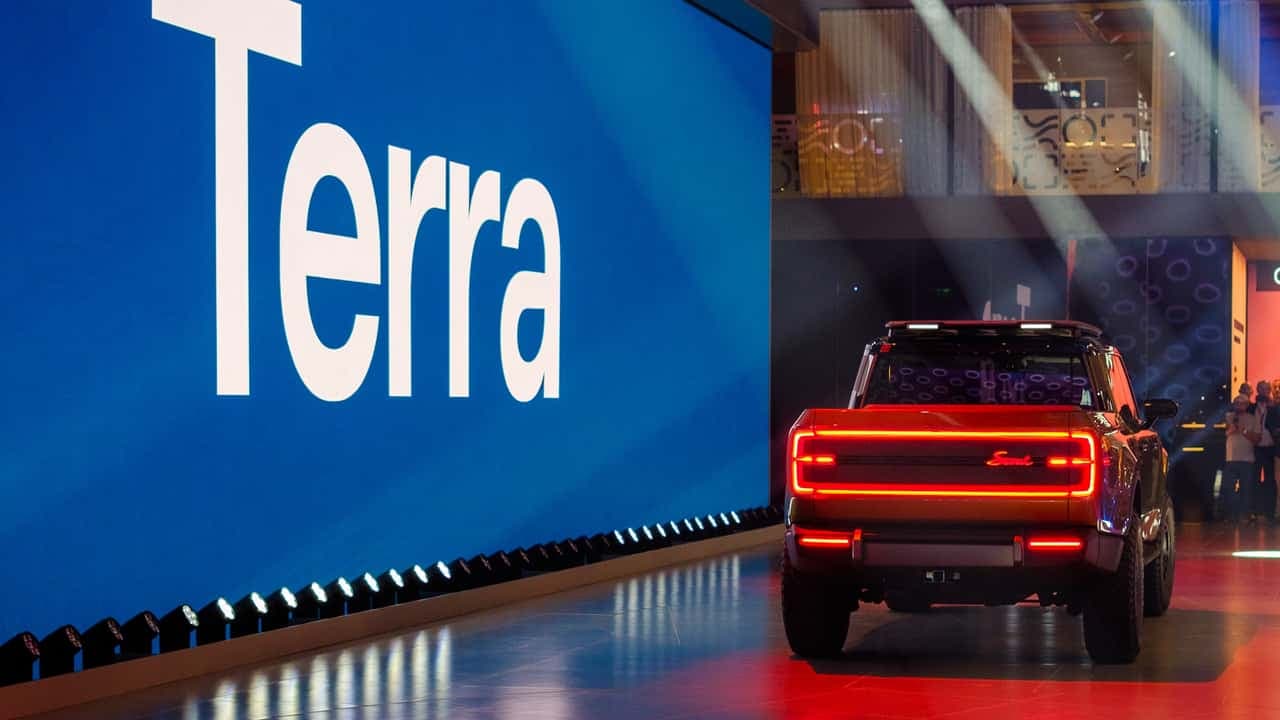
A notable shift in Scout’s strategy involves the prioritization of its 'Harvester' series—a lineup of extended-range electric vehicles (EREVs). Consumer data has shown a clear preference for these range-extended models over pure-battery counterparts. The company’s market analysis reveals that buyers are increasingly cautious about pure EV utility for heavy-duty truck use, leading to a pivot that mirrors broader industry trends toward hybrid solutions. Consequently, the range-extended Traveler SUV is slated to lead the launch, followed by the Terra pickup.
This tactical adjustment reflects a challenging reality in the electric truck segment, where high price premiums and range anxiety continue to dampen demand. By offering vehicles designed to hit over 500 miles of total range through a combination of battery power and onboard generators, Scout is betting that it can bypass the limitations currently hindering pure-electric pickup adoption. This approach is intended to maintain the utility required by off-road enthusiasts without forcing them to rely solely on public charging infrastructure.
Context and Future Outlook
Scout Motors enters the market with a distinct set of competitive advantages. Supported by the deep resources of parent company Volkswagen and a strategic technical collaboration with Rivian, the brand is well-positioned to leverage advanced software architectures and optimized production efficiencies. Furthermore, by leaning into the heritage of the original Scout brand—specifically focusing on solid-axle durability and classic, rugged design—the manufacturer is targeting a specific niche of the market that remains underserved.
Despite this momentum, the road ahead remains complex. The brand must navigate a turbulent regulatory and retail environment, including potential frictions with dealership networks and the general difficulty of launching a new automotive entity from scratch. However, by establishing a functioning factory and hitting its developmental milestones, Scout has successfully cleared the first major hurdle. As it continues to iterate on its validation prototypes over the coming year, the industry will be watching closely to see if this marriage of heritage styling and modern range-extended technology can truly disrupt the electric truck status quo.