Electric VehiclesTechnical Deep Dive

Toyota Quietly Revolutionizes the 2027 RAV4 PHEV with NACS and Fast-Charging

Published
EElectricBuzz Editorial Team
Toyota Quietly Revolutionizes the 2027 RAV4 PHEV with NACS and Fast-Charging
3 min read512 wordsElectricBuzz Editorial Team

The Gist

“Toyota is shaking up the plug-in hybrid market by equipping every 2027 RAV4 PHEV trim with native NACS charging ports and high-speed DC charging capabilities.”

A New Standard for Plug-In Hybrids

Toyota has quietly introduced a significant hardware upgrade for its 2027 RAV4 Plug-in Hybrid (PHEV) lineup, effectively blurring the lines between traditional hybrids and pure electric vehicles. By integrating the North American Charging Standard (NACS) port as a factory-standard feature across all trims, Toyota is signaling a major shift in how plug-in hybrids interact with the growing infrastructure of high-speed charging networks.

Previously, the luxury of fast-charging was gate-kept behind premium trims, forcing consumers to pay a substantial price hike to access speedier replenishment. With the 2027 model year, Toyota is democratizing this technology, ensuring that even the entry-level SE trim benefits from the same infrastructure versatility as the top-tier GR Sport. This move positions the RAV4 PHEV as a rare, highly capable contender in a segment that has historically lagged behind full-battery EVs in charging convenience.

The Power of NACS and DC Fast Charging

The headline feature of the 2027 update is undoubtedly the native NACS port. This transition allows owners to pull directly into Tesla Superchargers and other NACS-equipped stations without the need for cumbersome adapters. The vehicle supports a maximum charging rate of 50 kilowatts, enabling a 10% to 80% charge in approximately 30 minutes. While this may seem modest compared to some dedicated EVs, for a vehicle equipped with a 22.7 kWh battery capable of 52 miles of electric-only range, it is a game-changer for daily utility.

Furthermore, Toyota has improved the home-charging experience. The SE and GR Sport trims now feature an 11 kW onboard AC charger, matching the performance already enjoyed by the XSE and Woodland trims. This increase from the previous 7 kW limit allows for faster replenishment during home-based Level 2 sessions, significantly reducing the downtime between commutes.

Key Technical Enhancements

  • Universal NACS Implementation: Factory-installed NACS ports are now standard across the entire RAV4 PHEV range, including the entry-level SE model.
  • DC Fast Charging: All trims now support 50 kW fast charging, allowing for a 10-80% charge in roughly half an hour.
  • Upgraded AC Charging: Onboard AC charging has been bumped to 11 kW for the SE and GR Sport models, streamlining home and workplace charging.
  • Relocated Charging Port: The charging port has been shifted to the driver's side, which may simplify positioning at various public charging stations depending on cable length and stall configuration.

Why it Matters

The automotive industry is in the midst of a transition toward a unified charging ecosystem. By adopting the NACS standard, Toyota is ensuring that the 2027 RAV4 PHEV remains future-proofed against an infrastructure that is increasingly abandoning CCS in favor of Tesla’s connector design. Moreover, by offering fast charging on every trim level—a rarity for PHEVs, which often rely exclusively on slower Level 2 charging—Toyota is acknowledging that plug-in hybrid owners value convenience just as much as those driving fully electric cars. This strategic update ensures that the RAV4 PHEV continues to be one of the most practical options for drivers who want the efficiency of an EV for local errands without the range anxiety associated with long-distance highway travel.
SPONSORED
The 5 Best Over-Ear ANC Headphones of 2026, Tested & Ranked
Editor's Pick Guide
92/100
Tech & Gadgets•12 min read

The 5 Best Over-Ear ANC Headphones of 2026, Tested & Ranked

We locked five over-ear ANC picks for 2026 — Sony WH-1000XM6, Bose QuietComfort Ultra 2, Soundcore Space One, Sennheiser Momentum 5, and Apple AirPods Max 2 — then stress-tested them on lab metrics, long-term owner truth, and live street prices.

Related Stories

Semantically matched articles, ranked by topic overlap and freshness.

BMW Group’s Electrification Strategy Hits a Major Geographic Crossroads
Electric Vehicles

BMW Group’s Electrification Strategy Hits a Major Geographic Crossroads

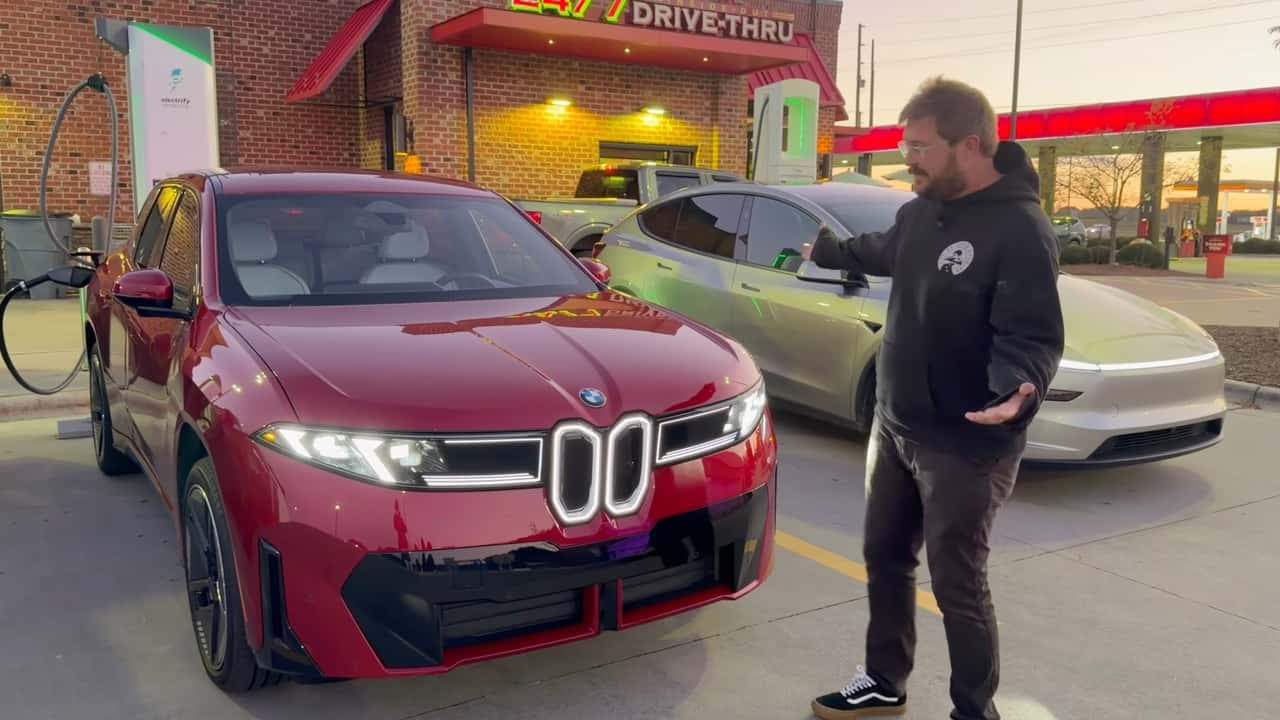
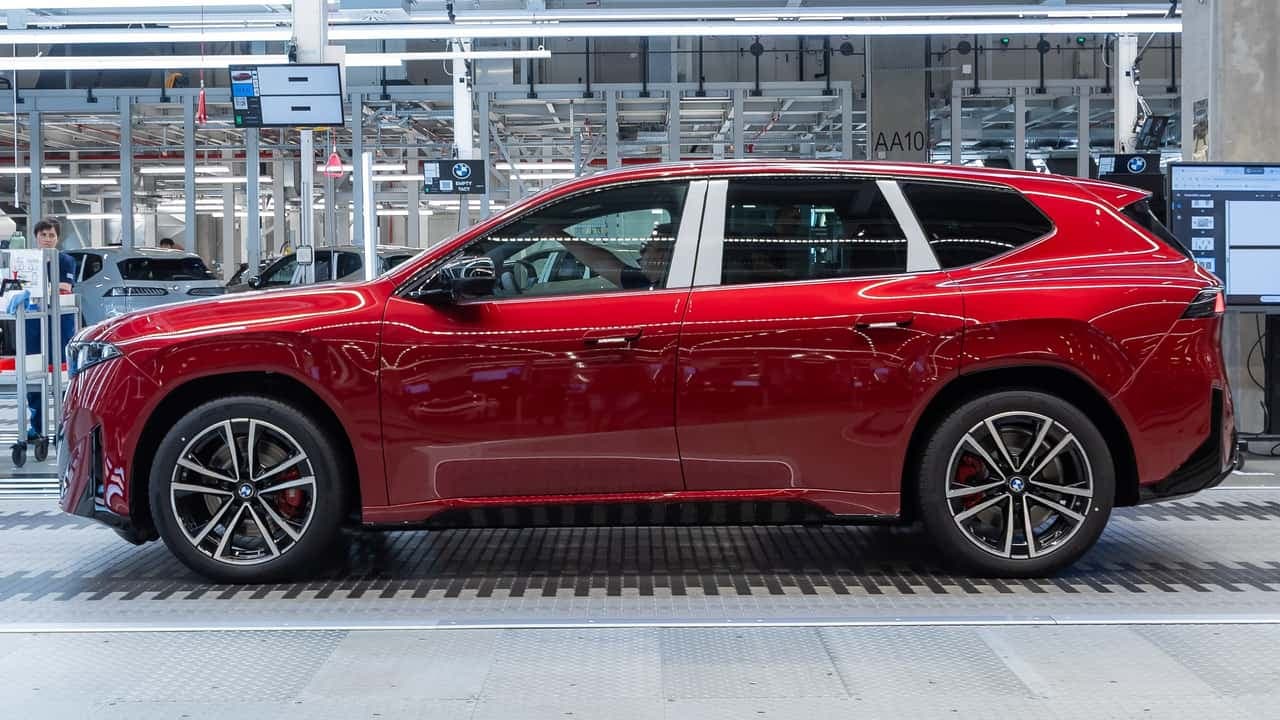
While over a quarter of BMW, Mini, and Rolls-Royce vehicles sold globally now feature a plug, the company faces a stark divide between its European success and the current U.S. adoption slump.

Tesla’s Infrastructure Dominance Expands as EVgo Adopts Supercharger Tech
Electric Vehicles

Tesla’s Infrastructure Dominance Expands as EVgo Adopts Supercharger Tech

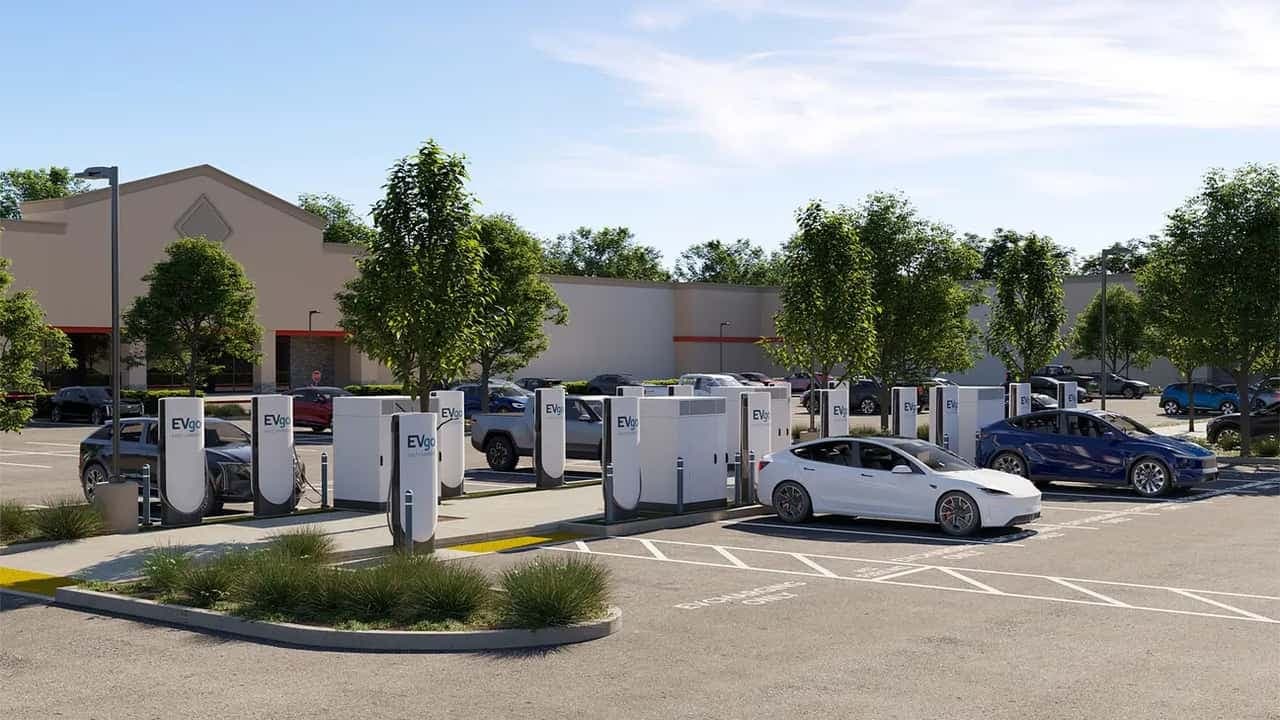
The charging landscape is shifting as EVgo begins installing official Tesla Supercharger hardware across its national network, blurring the lines between private and public infrastructure.

Volkswagen’s Xpeng Partnership Faces A Harsh Reality Check in China
Electric Vehicles

Volkswagen’s Xpeng Partnership Faces A Harsh Reality Check in China

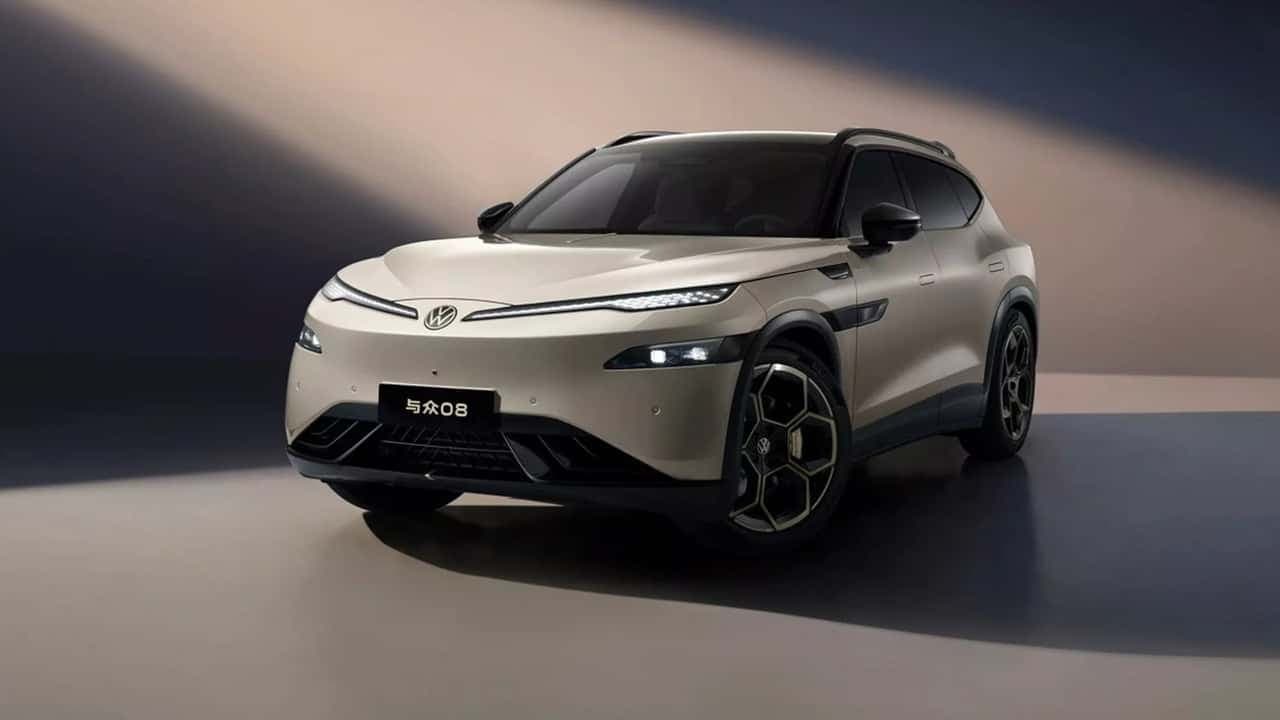
Volkswagen’s ambitious strategy to regain market share in China via its Xpeng-backed ID. Unyx 08 is faltering, highlighting a growing disconnect between legacy engineering and modern consumer expectations.

Highway Range Showdown: BMW iX3 Outpaces Rivian, Tesla, and Lexus
Electric Vehicles

Highway Range Showdown: BMW iX3 Outpaces Rivian, Tesla, and Lexus

A recent high-speed range test reveals how battery capacity and platform architecture determine real-world endurance for four popular electric SUVs.

Range Anxiety Decimated: Mercedes-Benz EQS Shatters Expectations with 539-Mile Run
Electric Vehicles

Range Anxiety Decimated: Mercedes-Benz EQS Shatters Expectations with 539-Mile Run

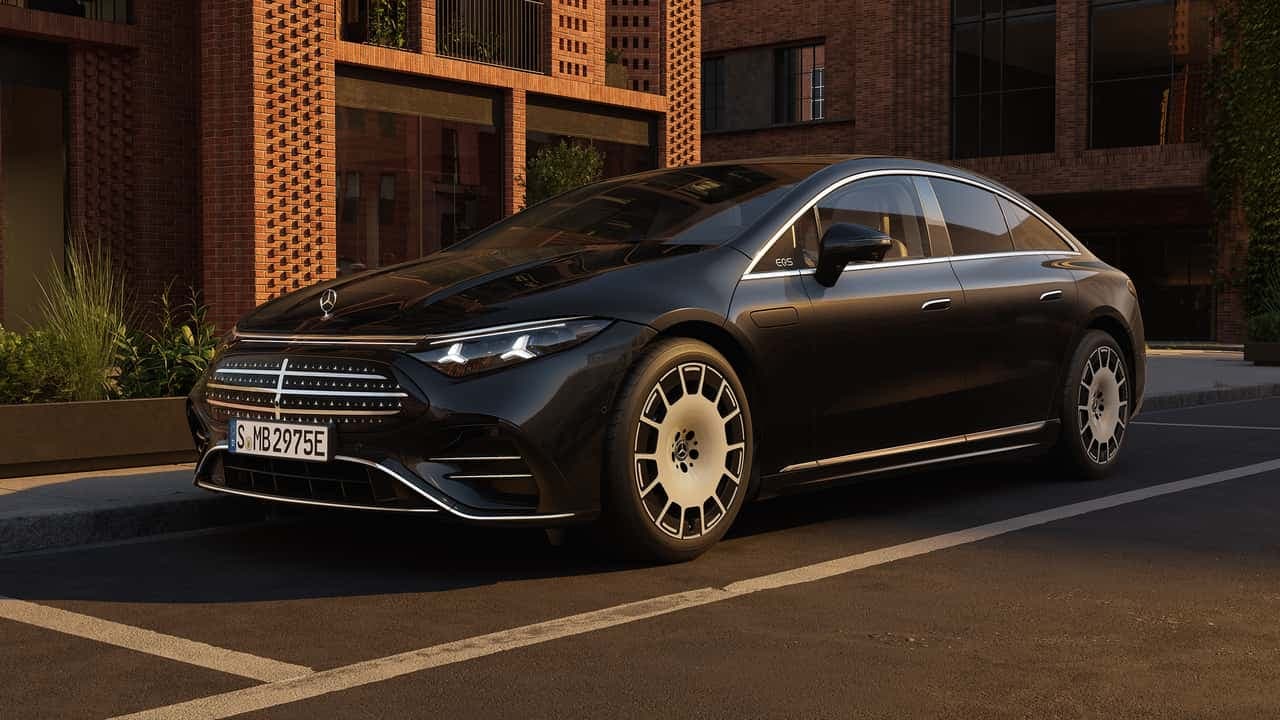
In a landmark real-world test, the 2027 Mercedes-Benz EQS 450+ has clocked an astounding 539 miles on a single charge, signaling a new era for electric vehicle capability.

Mercedes-Benz Reimagines EV Battery Architecture with Micro-Converter Tech
Electric Vehicles

Mercedes-Benz Reimagines EV Battery Architecture with Micro-Converter Tech

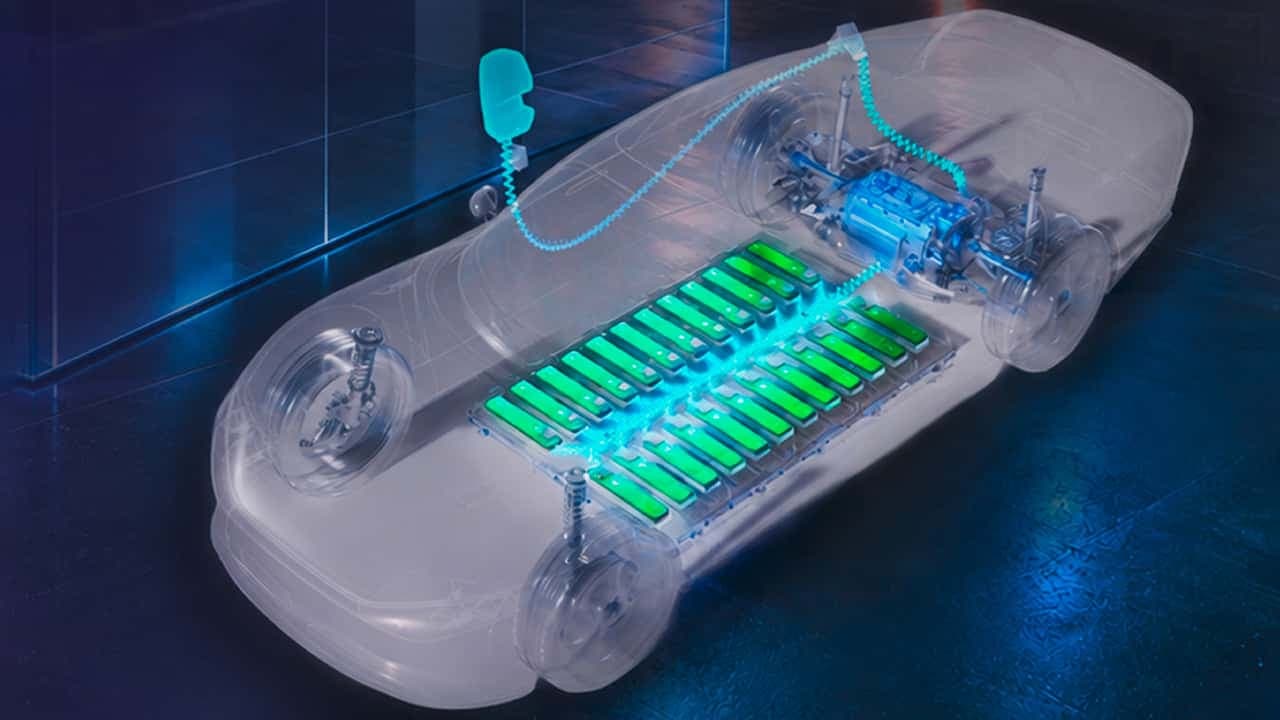
Mercedes-Benz is developing a groundbreaking 'Power Converter' system that promises to transform EV efficiency by managing battery cells on an individual basis.

America's 2030 Roadmap: Rebuilding the Domestic Battery Supply Chain
Electric Vehicles

America's 2030 Roadmap: Rebuilding the Domestic Battery Supply Chain

The U.S. Department of Energy has unveiled a high-stakes, three-step plan to secure domestic battery independence, shifting the focus toward national security and the soaring power demands of AI.

The High-Mileage Myth: Ford Reveals Real-World Battery Health Data for the Mustang Mach-E
Electric Vehicles

The High-Mileage Myth: Ford Reveals Real-World Battery Health Data for the Mustang Mach-E

A comprehensive analysis of 36,000 Mustang Mach-E batteries reveals that long-term degradation is significantly lower than many drivers fear, even after exceeding 100,000 miles.