The Highway Range Challenge
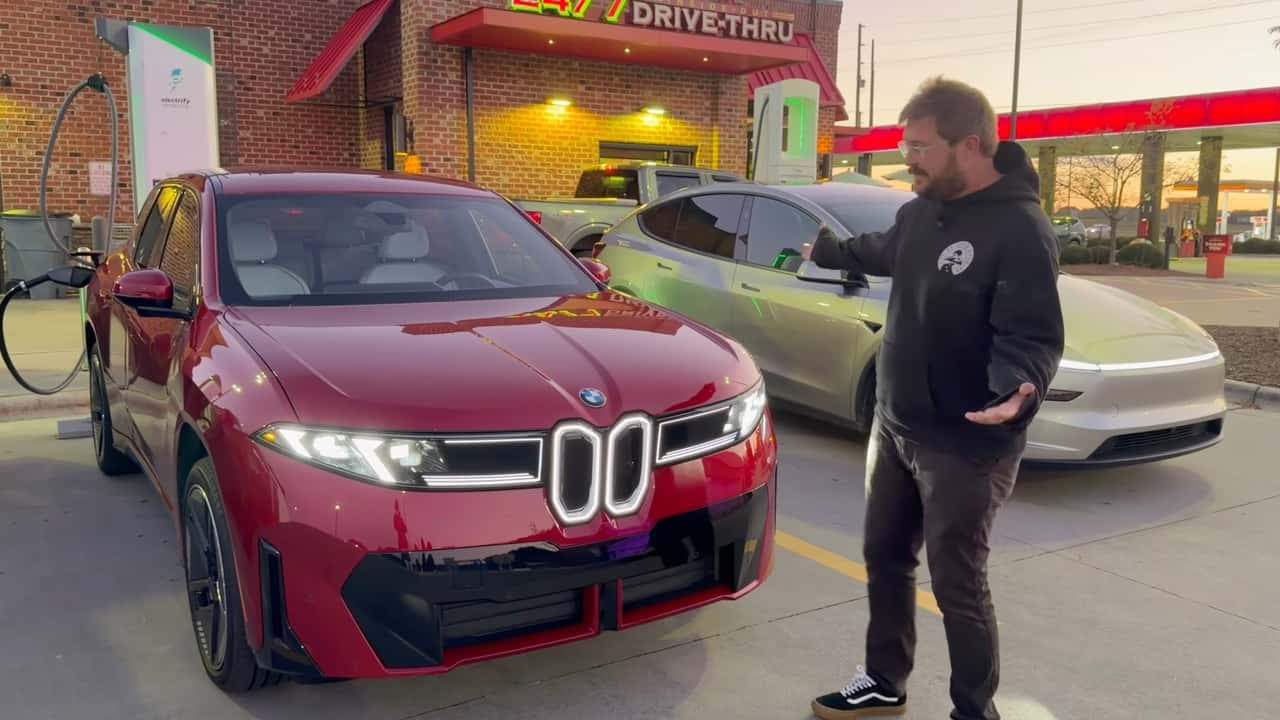
In a rigorous highway range test conducted at a constant 70 mph, four prominent electric SUVs were pushed to their limits to determine real-world performance under identical conditions. The lineup featured the BMW iX3, the Rivian R2 Performance, the Tesla Model Y Long Range, and the Lexus RZ450e. Each vehicle was tested on a standardized route in North Carolina, with batteries pre-warmed, tire pressures set to factory recommendations, and climate control active to simulate real-world travel.
While the goal of the test was to measure how far each vehicle could maintain highway speeds, the results highlighted a fascinating trade-off between pure aerodynamic efficiency and sheer energy storage. The BMW iX3 dominated the field, covering nearly 340 miles—a margin of 127 miles over the Rivian R2. However, the data reveals that this victory was driven by the BMW's massive 112 kWh usable battery pack rather than superior energy efficiency alone.
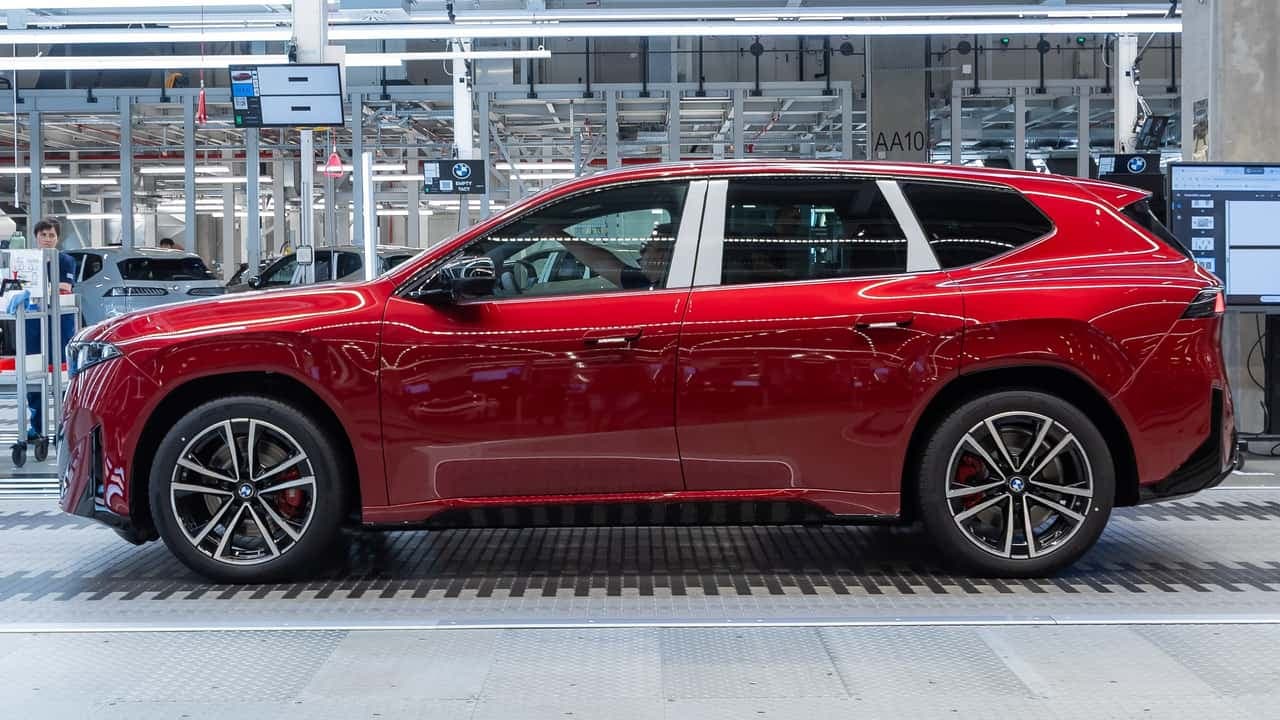
1. BMW iX3
The BMW iX3 secured a decisive victory, managing an impressive 339.7 miles before falling below the 70 mph threshold. Equipped with large 21-inch wheels, which typically penalize efficiency, the iX3 relied on its substantial 112 kWh battery to maintain its lead. Despite the size of the vehicle, it maintained an efficiency of approximately 3 miles per kWh.
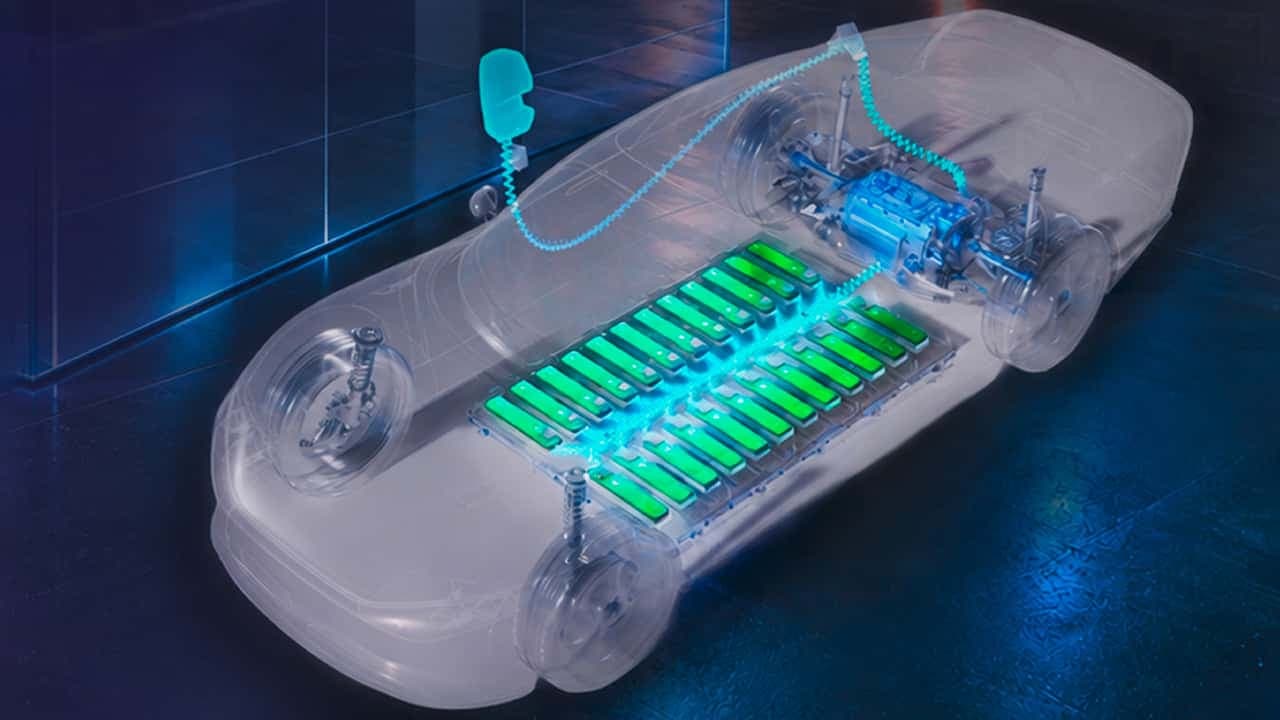
Beyond its endurance, the iX3 showcased the benefits of its 800-volt architecture. Following the exhaustion of its battery, the vehicle demonstrated superior charging intake, immediately accepting 122 kW from the testing equipment. This combination of a large energy reserve and high-voltage charging capability positions the iX3 as a formidable long-distance cruiser.
2. Tesla Model Y Long Range
The Tesla Model Y Long Range reaffirmed its reputation for efficiency. Despite featuring a smaller battery pack estimated at 84–85 kWh, the Model Y managed 286 miles of range. It led the pack in efficiency, consistently delivering 3.5 to 3.6 miles per kWh, even while carrying the extra weight of a six-seat configuration and 20-inch wheels.
This performance highlights Tesla's continued dominance in energy management. While it finished second to the BMW in total miles, the Model Y proved that aerodynamic refinement and powertrain optimization remain the best ways to extract maximum distance from a medium-sized battery pack.
3. Rivian R2 Performance
The Rivian R2 Performance finished with an observed range of approximately 213 miles. Several external factors contributed to this figure, most notably the use of aggressive all-terrain tires and cool ambient temperatures, both of which are known to significantly increase rolling resistance and drag.
With a usable capacity of roughly 88 kWh, the R2 averaged 2.45 miles per kWh. While this result fell short of the BMW and Tesla, it is important to note that the R2 has previously demonstrated higher range in warmer conditions with standard road-focused tires, proving that the vehicle’s utility is highly dependent on its specific configuration.
4. Lexus RZ450e
The Lexus RZ450e rounded out the group, completing 189 miles before it could no longer sustain highway speeds. The RZ450e was hampered by the smallest battery capacity in the test, with only 70 kWh of usable energy consumed throughout the run.
Despite its shorter range, the RZ450e actually outperformed the Rivian in terms of raw efficiency, recording 2.8 miles per kWh. This demonstrates that while the Lexus architecture is capable of efficient energy conversion, the smaller energy reservoir limits the vehicle's capacity for extended high-speed highway travel compared to its competitors.
Why It Matters
This comparison underscores that there is no 'one-size-fits-all' metric for EV range. For consumers, the choice between an EV often comes down to a choice between the 'brute force' approach—using a massive battery to bridge the gap—and the 'efficiency' approach, which leverages aerodynamic design to maximize limited cell capacity. As this test proved, a vehicle's tire choice, ambient temperature, and charging architecture play nearly as significant a role as the battery capacity itself.