The Struggle for Market Relevance
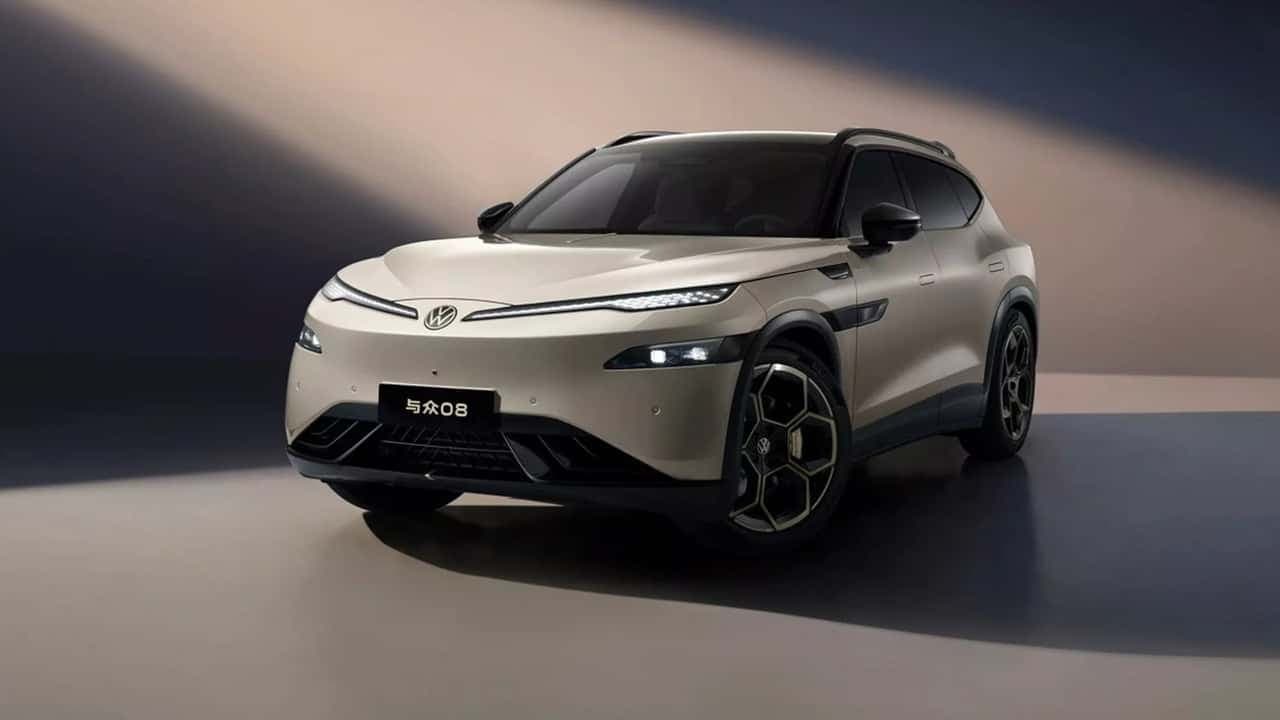
Volkswagen’s strategic pivot to revitalize its position in the world's most competitive electric vehicle market has hit a significant roadblock. By partnering with homegrown technology powerhouse Xpeng, Volkswagen hoped to accelerate its development cycles, utilizing local platforms to mimic the rapid innovation speeds of Chinese rivals. The fruit of this labor, the ID. Unyx 08, was positioned as the spearhead of this turnaround. However, recent sales data paints a grim picture of the vehicle's market acceptance.
Reports indicate that the ID. Unyx 08 is moving roughly 267 units per month, a figure that pales in comparison to the company's internal projections of over 3,600 monthly sales. This massive shortfall serves as a cautionary tale for legacy automakers attempting to bridge the technological gap through outsourced platform integration. While the partnership aims to lower costs and speed up time-to-market, the final product must still contend with an incredibly aggressive domestic landscape that prioritizes software integration and high-tech consumer experiences above traditional badge value.
The Competitive Landscape
The ID. Unyx 08 operates in the fiercely contested premium crossover segment, where it faces off against domestic titans like the Xiaomi YU7 and the Zeekr 7X. These competitors have set a high bar for what Chinese consumers now expect from an EV. Xiaomi, for instance, has leveraged its deep roots in the consumer electronics sector to create a seamless ecosystem, offering sophisticated sensor suites and connectivity features that the ID. Unyx 08 struggles to match. The Zeekr 7X, meanwhile, has captured buyer interest through superior charging infrastructure and performance benchmarks that push the limits of modern 800-volt architectures.
Furthermore, the retail strategy has hampered the ID. Unyx 08’s reach. While domestic favorites occupy high-traffic locations in luxury shopping centers, Volkswagen has relegated its Unyx-badged vehicles to a limited number of specialized dealerships. This accessibility gap, combined with a price point that lacks a competitive edge against feature-rich domestic alternatives, has left the vehicle struggling to gain momentum with tech-savvy buyers who view German engineering as an increasingly legacy-focused value proposition.
Why it Matters
- Legacy vs. Agility: The mismatch between the ID. Unyx 08’s performance and expectations illustrates the inherent difficulty for global automakers to adapt to 'China speed' without fully capturing the cultural and technological zeitgeist of the local consumer.
- Platform Strategy: Volkswagen’s reliance on third-party platforms to stem the tide in China mirrors other international efforts, yet the success of these ventures remains highly dependent on whether the brand can provide a unique value-add that goes beyond the underlying hardware.
- Future Implications: As VW prepares to launch the ID. Unyx 09 with even more aggressive volume targets, the pressure to prove that the Xpeng collaboration can yield a 'hit' is mounting. Should the trend of underperformance continue, it may force Volkswagen to reconsider its distribution networks or pivot its strategy for excess stock, potentially introducing these vehicles to markets outside of China.
The Road Ahead
Volkswagen is not standing idly by as the ID. Unyx 08 misses its targets. The company has already begun aggressive price adjustments, lowering the barrier to entry to approximately $28,500 to stimulate demand. Additionally, the automaker is working to expand its dedicated sales network, acknowledging that its current retail footprint is insufficient to compete with the ubiquity of brands like Xiaomi. While the jury is still out, the successful execution of the upcoming ID. Unyx 09 will be the true litmus test for whether Volkswagen’s partnership strategy can evolve from a theoretical fix into a commercial success story.