Rivian Adventure Network: A Strategic Expansion
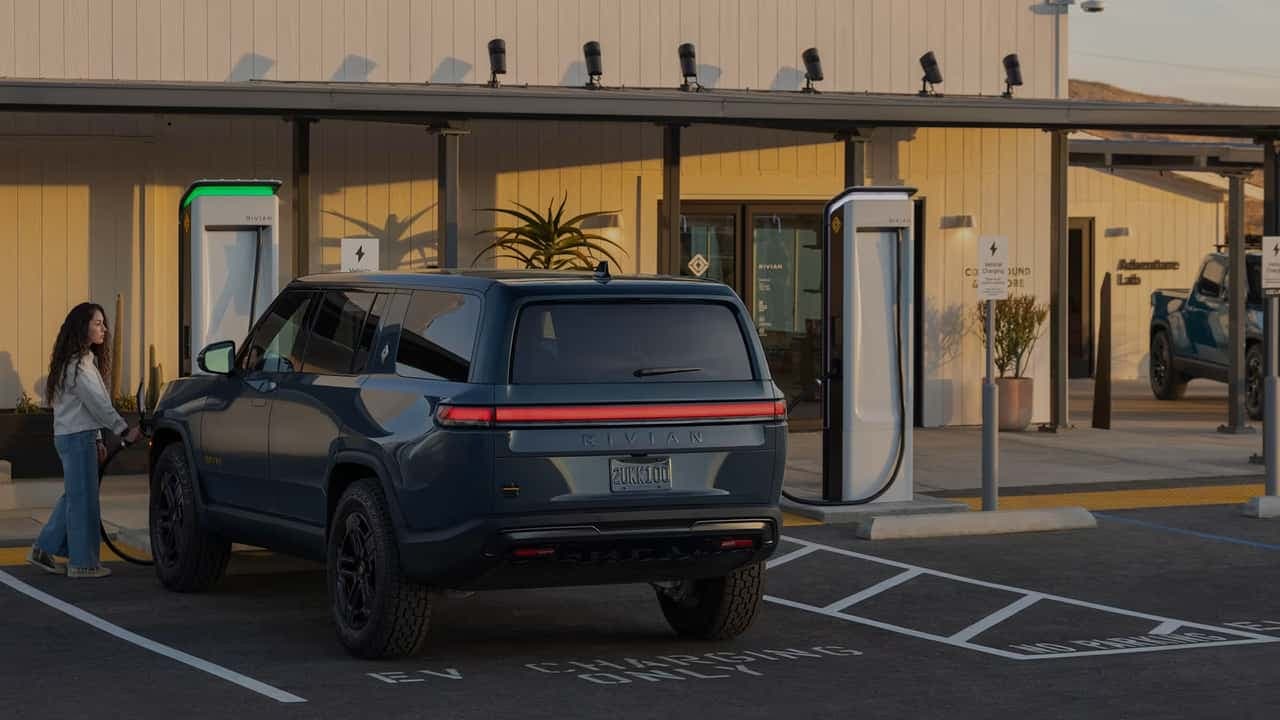
In a landscape where many automakers are pivoting toward the Tesla Supercharger standard, Rivian continues to invest heavily in its proprietary charging ecosystem. The Rivian Adventure Network (RAN), the company’s dedicated suite of DC fast chargers, has seen a robust 39% growth rate over the last twelve months. According to the company's latest third-quarter financial disclosures, the network has officially surpassed the 1,100-port threshold, spread across 165 strategically positioned locations throughout the United States.
These fast-charging stations are designed to support the specific needs of adventure-focused drivers, providing up to 300 kilowatts of power per port. By maintaining control over its own hardware, Rivian aims to ensure a premium charging experience that complements the unique capabilities of its vehicle lineup. Notably, the startup emphasizes sustainability by matching 100% of the energy delivered through its RAN network with renewable energy sources, ensuring that the footprint of its charging operations remains aligned with its environmental commitments.
The Dual-Track Infrastructure Strategy
While the high-speed Adventure Network receives the lion's share of corporate attention and capital investment, Rivian maintains a secondary tier of infrastructure known as "Waypoints." These are Level 2, 11-kilowatt chargers intended for longer-dwell locations, such as parks, shopping centers, and trailheads. Unlike the rapid expansion seen with the DC fast-charging ports, the Waypoints network has seen significantly slower development, with only ten new units installed throughout the most recent annual cycle.
Currently, the company operates approximately 540 of these slower-charging ports across 208 locations. While these chargers are noticeably absent from recent executive presentations, they remain a part of the broader, multi-layered strategy to provide destination-based charging for owners who may not need the blistering speeds of the 300-kW DC stations. This bifurcation suggests a clear prioritization: Rivian is focused on owning the high-speed "refueling" experience on major travel corridors, while letting the slower, convenience-based infrastructure serve as a secondary utility.
Key Operational Facts
- Total RAN Expansion: 39% year-over-year increase in DC fast-charging ports.
- Network Capacity: 1,185 active high-speed ports capable of 300kW output.
- Geographic Reach: 165 active DC fast-charging locations across the U.S.
- Renewable Commitment: All delivered energy is offset via renewable source matching.
- Level 2 Presence: 540 Waypoint chargers across 208 sites currently in operation.
Competitive Context and Future Outlook
Even with this impressive growth rate, Rivian remains a boutique participant when measured against the massive footprint of the industry leader, Tesla. With over 40,000 fast-charging ports in the United States, Tesla’s scale remains the benchmark for the entire electric vehicle industry. However, Rivian’s decision to continue building proprietary hardware—even while its own vehicles are increasingly compatible with the North American Charging Standard (NACS)—highlights a belief in the value of vertical integration.
By controlling both the vehicle software and the charging hardware, Rivian can curate a seamless "plug-and-charge" experience that is difficult to replicate with third-party networks. As the industry matures, the value of this bespoke charging network may become a critical differentiator, allowing Rivian to maintain a brand identity rooted in seamless, reliable adventure travel, regardless of how other public charging networks evolve in the coming decade.