1. The Toyota RAV4: Pioneering the Hybrid Mandate
As one of the most successful vehicles in automotive history, the Toyota RAV4 has long served as the benchmark for the compact SUV segment. Toyota’s strategic decision to transition the RAV4 to a hybrid-exclusive lineup starting with the 2026 model year represents a significant turning point for the industry. By removing the traditional internal combustion engine as a standalone option, Toyota is effectively signaling that electrification is no longer a premium add-on, but the standard expectation for consumer utility vehicles.
This shift leverages Toyota’s extensive experience with hybrid synergy drive systems, which balance fuel efficiency with the reliable performance required for daily commuting and weekend utility. By standardizing hybrid technology, Toyota is not only streamlining its manufacturing processes but also ensuring that its highest-volume vehicle helps move the needle on corporate fleet-wide emissions targets, all while maintaining the price points and reliability that have made the RAV4 a household name.
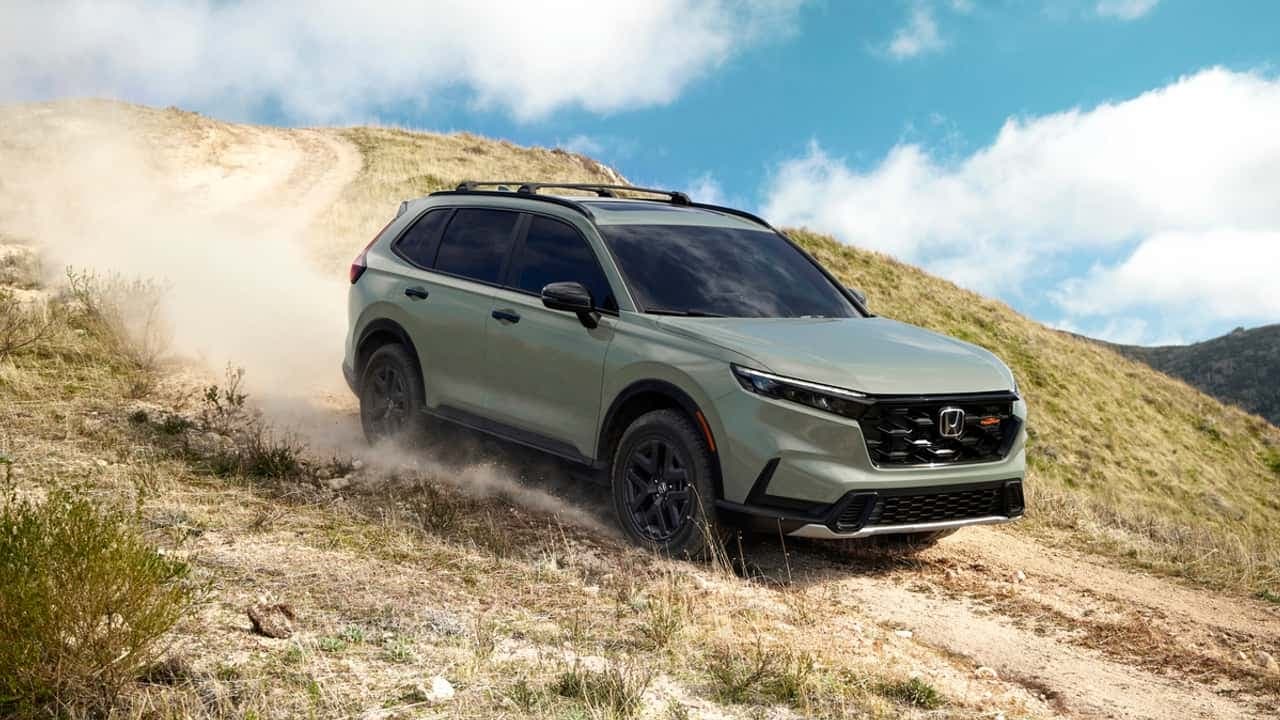
2. The Honda CR-V: Embracing the Two-Motor Future
Following closely on the heels of its primary rival, Honda has officially announced that the seventh-generation CR-V, launching in 2028, will abandon pure gasoline powertrains in favor of a hybrid-only architecture. This move is a major institutional pivot for Honda, which has seen unprecedented demand for its electrified offerings. The new iteration will utilize a sophisticated, next-generation two-motor hybrid system designed to enhance torque delivery and increase the operational range where the engine functions at peak efficiency.
By committing to a fully electrified powertrain, Honda aims to bolster the CR-V’s appeal in an increasingly crowded market where consumers are gravitating toward vehicles that offer a bridge between traditional driving habits and the environmental benefits of electric power. The integration of this advanced hardware serves as a testament to Honda’s confidence in hybrid technology as a practical, scalable solution for the immediate future of personal mobility.
3. The Tesla Model Y: The Electric Benchmark
While Toyota and Honda are transitioning their gas-reliant fleets to hybrids, the Tesla Model Y stands as the third pillar of this electrification trio, representing the pure-electric extreme of the market. Unlike its hybrid counterparts, the Model Y functions solely on battery-electric power, offering a glimpse into the ultimate destination of the automotive sector. Its continued dominance in sales charts underscores a massive shift in consumer willingness to bypass the pump entirely.
The Model Y’s influence on the broader market cannot be overstated. By forcing legacy automakers to accelerate their own electrification timelines, Tesla has successfully shifted the competitive landscape. With a nationwide charging network and a software-first approach to vehicle management, the Model Y remains the primary foil to the hybrid-heavy strategies of Toyota and Honda, providing a high-performance, emissions-free alternative for buyers who are ready to make the full transition to electric mobility.
Why it Matters
The convergence of these three vehicles—which collectively represent over 1.2 million annual sales—into the electrified category is a seismic event for the U.S. automotive market. While hybrid systems currently hold a 16% market share, this transition creates a normalized experience for drivers, potentially serving as the primary catalyst for further EV adoption. As these manufacturers scale production, the economy of scale will drive down costs, making efficient, low-emission vehicles accessible to a wider demographic of American drivers.