A Shift in Strategy for the Cybertruck
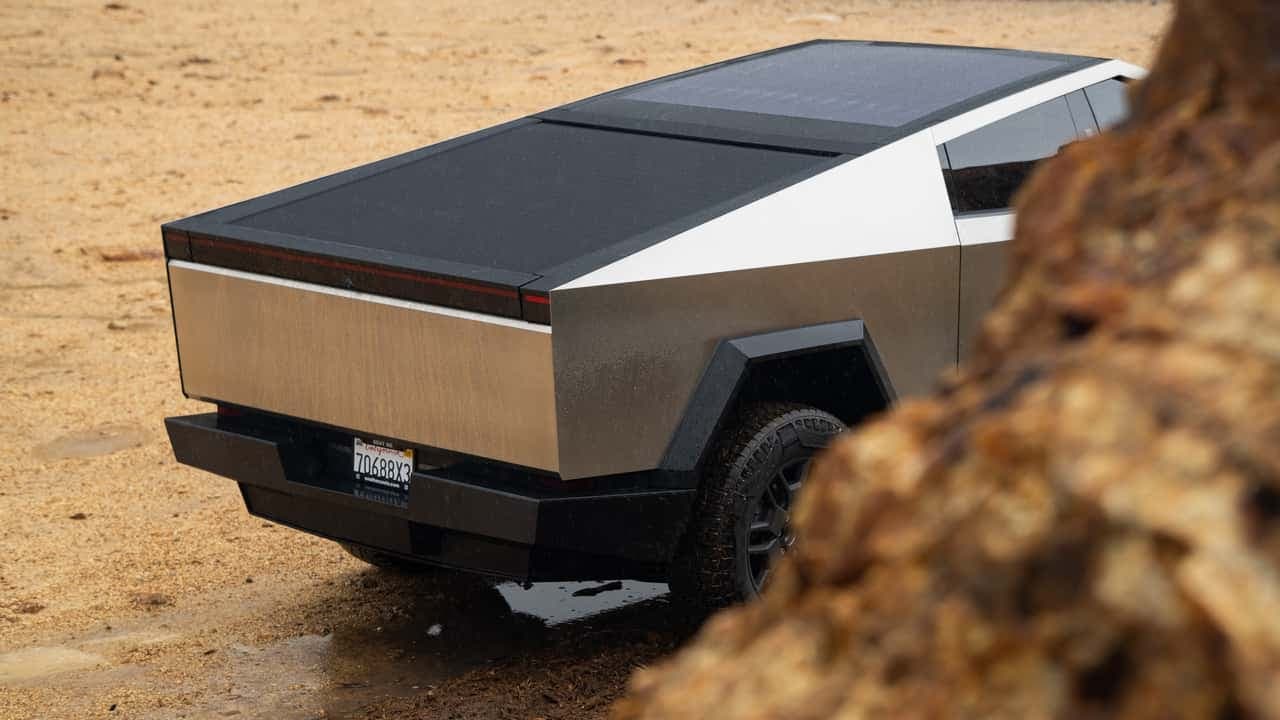
Tesla has officially adjusted its production roadmap for the Cybertruck, granting the polarizing stainless-steel pickup a temporary reprieve. Originally slated for discontinuation in mid-2027, the production schedule has now been extended through the end of the summer, with operations expected to continue into September 2027. This decision, announced by CEO Elon Musk, is a direct response to a significant order backlog that had previously threatened to leave many prospective buyers empty-handed.
Musk openly acknowledged that extending the production life of the vehicle is not necessarily the most efficient path for maximizing corporate profits. However, he emphasized that there remains a place for sentimentality in the business world, suggesting that the decision was heavily influenced by the vehicle's dedicated, albeit niche, fanbase. By pushing back the sunset date, Tesla aims to fulfill as many outstanding reservations as possible before transitioning the Giga Texas factory floor toward the production of the steering-wheel-free Cybercab.
The Road to Sunset: Implications and Market Context
The Cybertruck has remained one of the most debated vehicles in automotive history. Since its commercial launch in late 2023, Tesla has delivered approximately 70,000 units—a figure that falls well short of initial, more aggressive annual output targets of 250,000 vehicles. Despite the controversy, the truck has cultivated an incredibly loyal following, leading to online petitions and even third-party interests, such as automotive accessory firm Unplugged Performance, exploring ways to maintain the vehicle's legacy.
As the production wind-down approaches, Tesla has shifted its sales strategy significantly. Currently, the company has narrowed its consumer offering to the high-end, tri-motor Cyberbeast trim. With this configuration comes a premium price point of approximately $110,000, effectively positioning the remaining production run as a luxury finale for the model. This pricing move serves as a final push for the company to capture additional revenue from the platform while pivoting its manufacturing resources toward autonomous vehicle technology.
Why It Matters
- Operational Pivot: The extension signals a strategic shift at Tesla’s Texas facility, balancing the completion of existing hardware orders with the necessary factory retooling required for upcoming autonomous transport solutions like the Cybercab.
- Brand Loyalty: The decision to keep the line running highlights the influence of Tesla's core enthusiast base, proving that consumer sentiment can sway even the most cold-hearted corporate manufacturing logistics.
- Market Dynamics: The move to a single, high-margin trim level at $110,000 underscores Tesla's attempt to maximize the remaining value of the Cybertruck architecture before the model is officially retired from the assembly line.
Ultimately, the additional ten-month runway for the Cybertruck represents a quiet, albeit calculated, exit for a vehicle that defied conventions. While its future as a mass-market pickup has been eclipsed by the company's broader focus on robotics and autonomous platforms, the extended window provides a rare opportunity for die-hard supporters to secure one of the most distinctive pieces of modern engineering.