Electric VehiclesTechnical Deep Dive

Uber Hits Milestone With 200 Million Electric Miles, But The Road To 2030 Remains Steep

Published
EElectricBuzz Editorial Team
Uber Hits Milestone With 200 Million Electric Miles, But The Road To 2030 Remains Steep
3 min read522 wordsElectricBuzz Editorial Team

The Gist

“Uber's third-quarter report highlights a major surge in EV adoption among its drivers, yet the ride-hailing giant continues to struggle against its ambitious zero-emission sustainability targets.”

A Surge in Electrification

The ride-hailing industry is undergoing a significant transformation, and Uber’s latest third-quarter data for 2026 confirms that the pivot to electric vehicles is accelerating. During this period, Uber drivers completed a staggering 207.4 million trips in zero-emission vehicles. This accomplishment, which averages out to approximately 26 electric trips every second globally, marks a 52% increase compared to the same quarter in the previous year. The data underscores a clear momentum in the adoption of electric mobility, driven by a growing fleet of 434,000 active EV drivers utilizing the platform between July and September.

Regional disparities remain a defining feature of this transition. In Europe, the uptake is notably robust, with one in every five trips conducted in an electric vehicle. Conversely, North American markets, specifically the United States and Canada, show a more modest adoption rate of one in ten. While Uber has implemented financial incentives and bonus programs to encourage drivers to switch from internal combustion engines to electric models, the growth trajectory in North America has remained relatively flat compared to the rapid adoption seen across European cities.

The Challenge of Emissions Targets

Despite the celebratory nature of the quarterly figures, the broader climate-focused goals set by Uber remain elusive. The ride-hailing giant has openly acknowledged that its ambitious sustainability targets for 2030 are currently out of reach under existing market trends. The primary hurdle is that while many drivers are opting for EVs, an equally significant number of new and existing drivers continue to rely on gas and diesel vehicles to maximize their earnings, balancing out the environmental gains made by the electric segment.

The impact of this reliance is evident in carbon intensity metrics. In the U.S. and Canada, the average passenger mile on the Uber platform generates 318 grams of CO2. While this represents a slight improvement from the 340 grams recorded in 2024, it remains higher than the 306 grams measured in 2023. Europe, while maintaining a lower carbon footprint—averaging 186 grams of CO2 per mile—has also seen its progress fluctuate over the past few years, highlighting the systemic difficulty in decoupling ride-hailing growth from fossil fuel usage.

Why it Matters: The Gap Between Ambition and Reality

  • Missed Milestones: Uber previously targeted 100% zero-emission rides in cities like London and Amsterdam by 2025; however, current data shows attainment at only 41%.
  • Infrastructure Dependencies: The discrepancy between European and North American adoption is largely attributed to stronger charging infrastructure and favorable regulatory environments abroad.
  • Systemic Barriers: The company admits that while it is committed to the transition, achieving 100% zero-emission miles by 2030 requires external factors—such as government policy and grid infrastructure—that fall outside of its direct control.

Ultimately, the latest data serves as a double-edged sword for the company. It proves that the demand for electric mobility exists and is growing, yet it highlights the sobering reality that the shift is not moving at the velocity required to meet the company’s internal climate mandates. As the decade closes, Uber faces the difficult task of balancing business expansion with a commitment to sustainable transport that is increasingly pressured by global carbon reporting standards.

SPONSORED
The 5 Best Over-Ear ANC Headphones of 2026, Tested & Ranked
Editor's Pick Guide
92/100
Tech & Gadgets•12 min read

The 5 Best Over-Ear ANC Headphones of 2026, Tested & Ranked

We locked five over-ear ANC picks for 2026 — Sony WH-1000XM6, Bose QuietComfort Ultra 2, Soundcore Space One, Sennheiser Momentum 5, and Apple AirPods Max 2 — then stress-tested them on lab metrics, long-term owner truth, and live street prices.

Related Stories

Semantically matched articles, ranked by topic overlap and freshness.

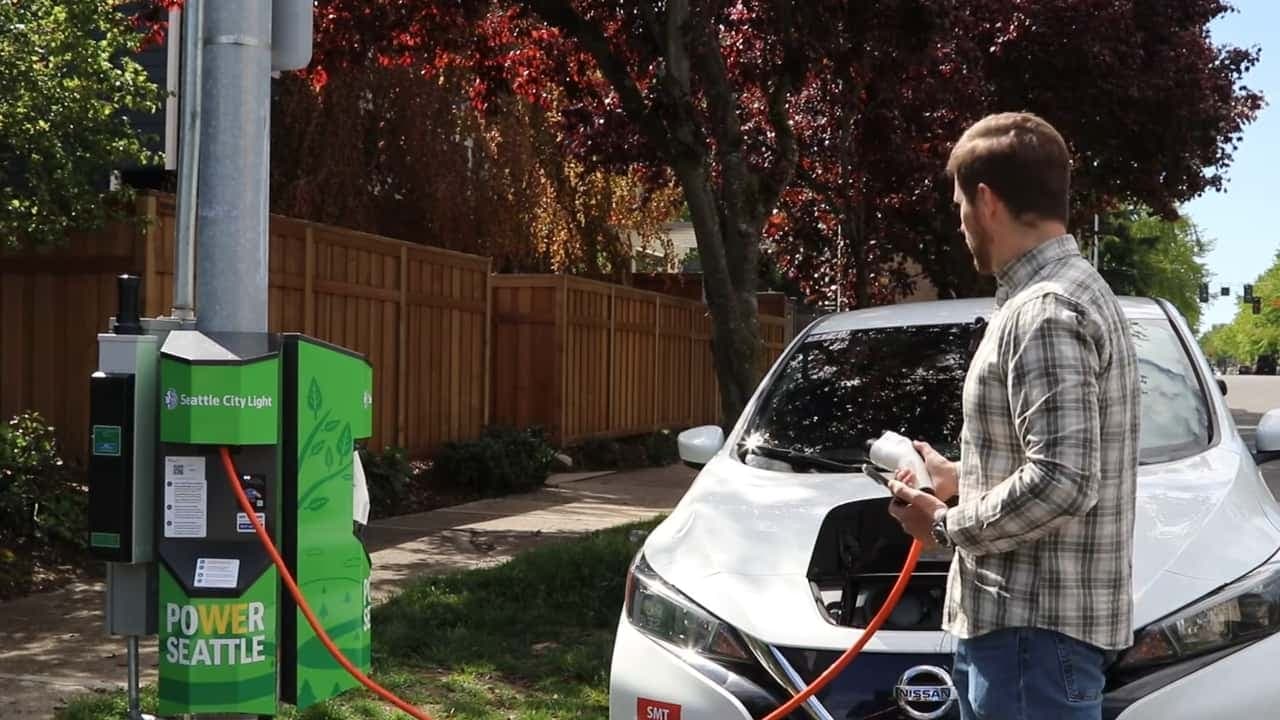
Seattle Empowers Apartment Residents With Massive Curbside EV Charging Expansion
Electric Vehicles

Seattle Empowers Apartment Residents With Massive Curbside EV Charging Expansion

Seattle is tackling the 'charging desert' for apartment dwellers by launching a resident-driven initiative to install 200 new curbside Level 2 chargers by 2030.

Tesla Extends Cybertruck Production Timeline Amidst Backlog Pressure
Electric Vehicles

Tesla Extends Cybertruck Production Timeline Amidst Backlog Pressure

In a surprise move, Elon Musk has extended the Cybertruck production run through late 2027 to address lingering order backlogs and fan sentiment.

Google Gemini Arrives on Apple CarPlay: A New Era for In-Car AI
Electric Vehicles

Google Gemini Arrives on Apple CarPlay: A New Era for In-Car AI

Google is breaking down barriers between ecosystems by bringing its Gemini AI voice assistant directly to Apple CarPlay, offering drivers a more conversational and productive commute.

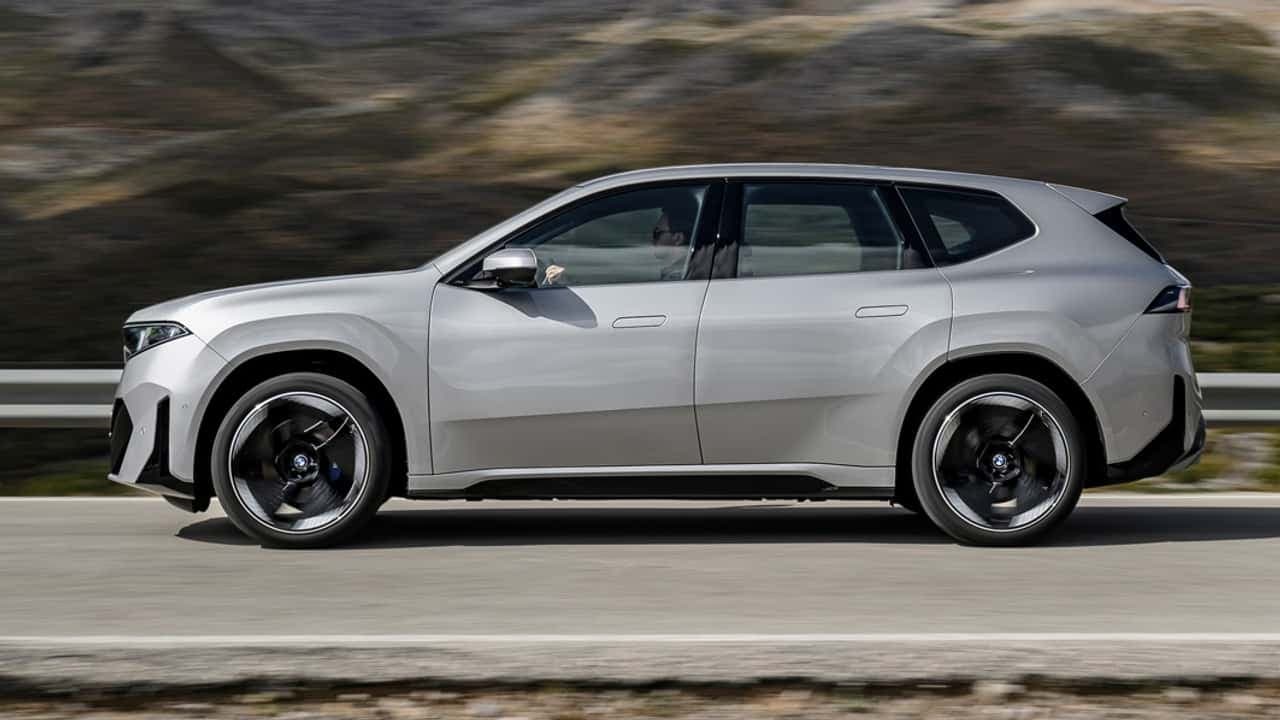
BMW Sweetens the Deal for 2027 EV Buyers With $500 Charging Credit
Electric Vehicles

BMW Sweetens the Deal for 2027 EV Buyers With $500 Charging Credit

BMW is incentivizing the transition to its upcoming 2027 electric lineup by offering new buyers $500 in public charging credits and exclusive membership perks.

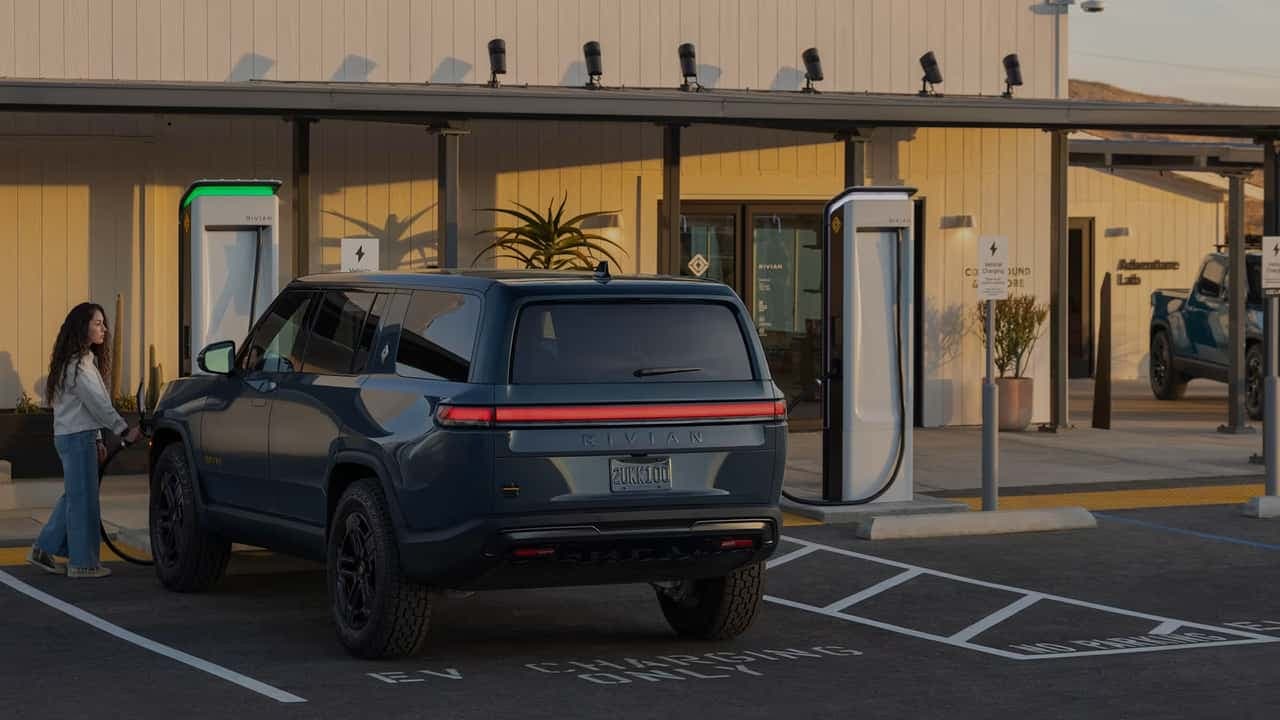
Rivian Doubles Down on Proprietary Charging as Adventure Network Hits Growth Milestone
Electric Vehicles

Rivian Doubles Down on Proprietary Charging as Adventure Network Hits Growth Milestone

Despite wider industry trends toward shared charging standards, Rivian is aggressively expanding its own high-speed DC charging infrastructure, which has grown by 39% over the past year.

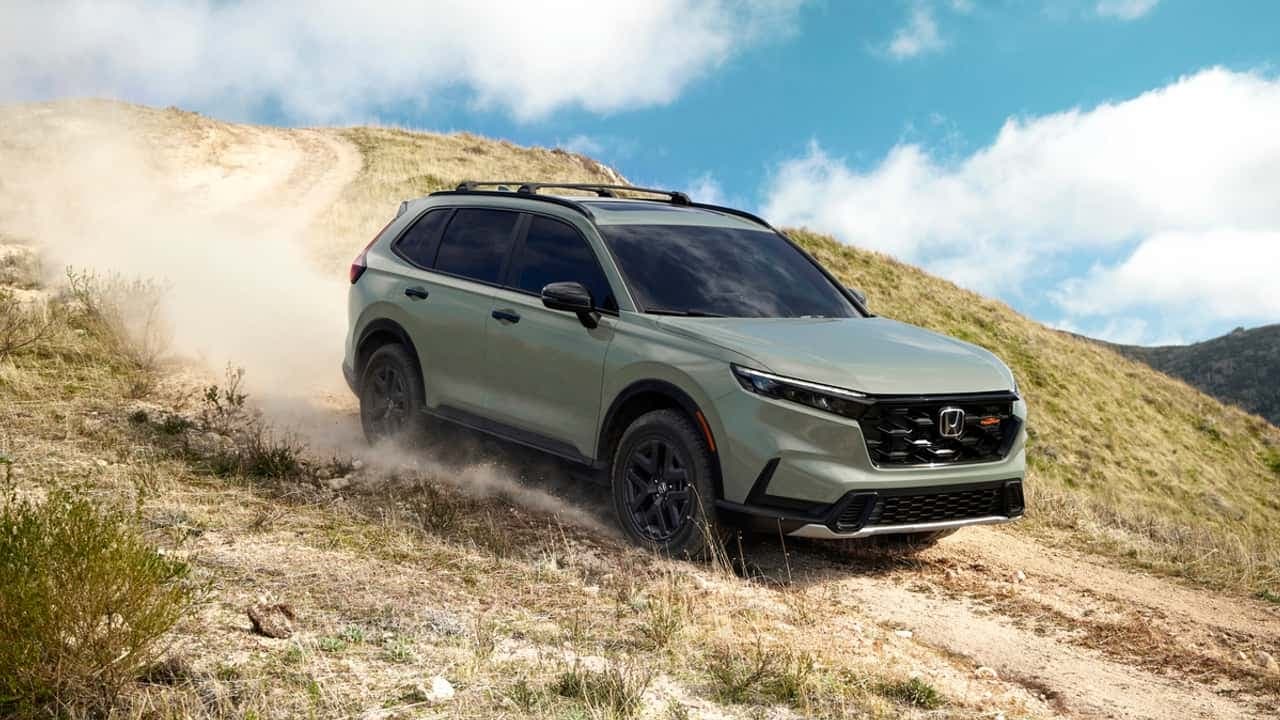
The End of the Combustion-Only Era: How America's Top SUVs Are Going Electric
Electric Vehicles

The End of the Combustion-Only Era: How America's Top SUVs Are Going Electric

With Toyota and Honda moving their best-selling SUVs to hybrid-only platforms, the landscape of the American automotive market is undergoing a fundamental shift toward electrification.

Ford Fathom Transforms Home Backup Tech with Integrated Inverter Design
Electric Vehicles

Ford Fathom Transforms Home Backup Tech with Integrated Inverter Design

Ford’s upcoming $30,000 Fathom electric truck simplifies home backup power by moving the DC-to-AC conversion hardware inside the vehicle.

Allye Energy’s New Battery-Buffered Charger Bypasses Expensive Grid Upgrades
Electric Vehicles

Allye Energy’s New Battery-Buffered Charger Bypasses Expensive Grid Upgrades

By repurposing second-life EV batteries, this innovative 400 kW charger allows businesses to deploy high-speed charging without waiting months for grid infrastructure updates.