The Arrival of the Tesla Semi in Europe
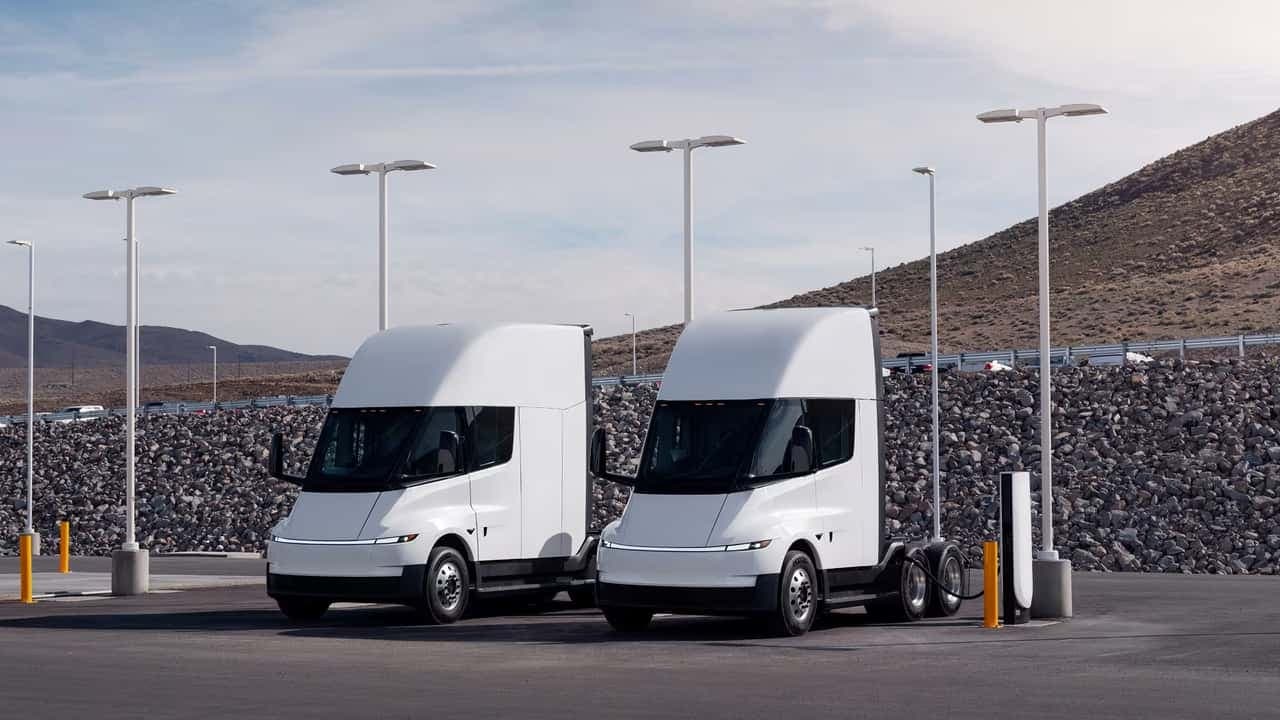
The logistics landscape in Europe is poised for a significant shift as Tesla prepares to introduce its electric Semi to the continent. Following years of speculation and static displays at previous trade events, the company has officially confirmed the specifications for the European market ahead of the IAA Transportation exhibition in Hanover. By prioritizing payload efficiency and high-speed charging infrastructure, Tesla is positioning its electric tractor unit as a formidable contender for regional and long-haul freight operators looking to transition away from diesel.
Design and Performance Specifications
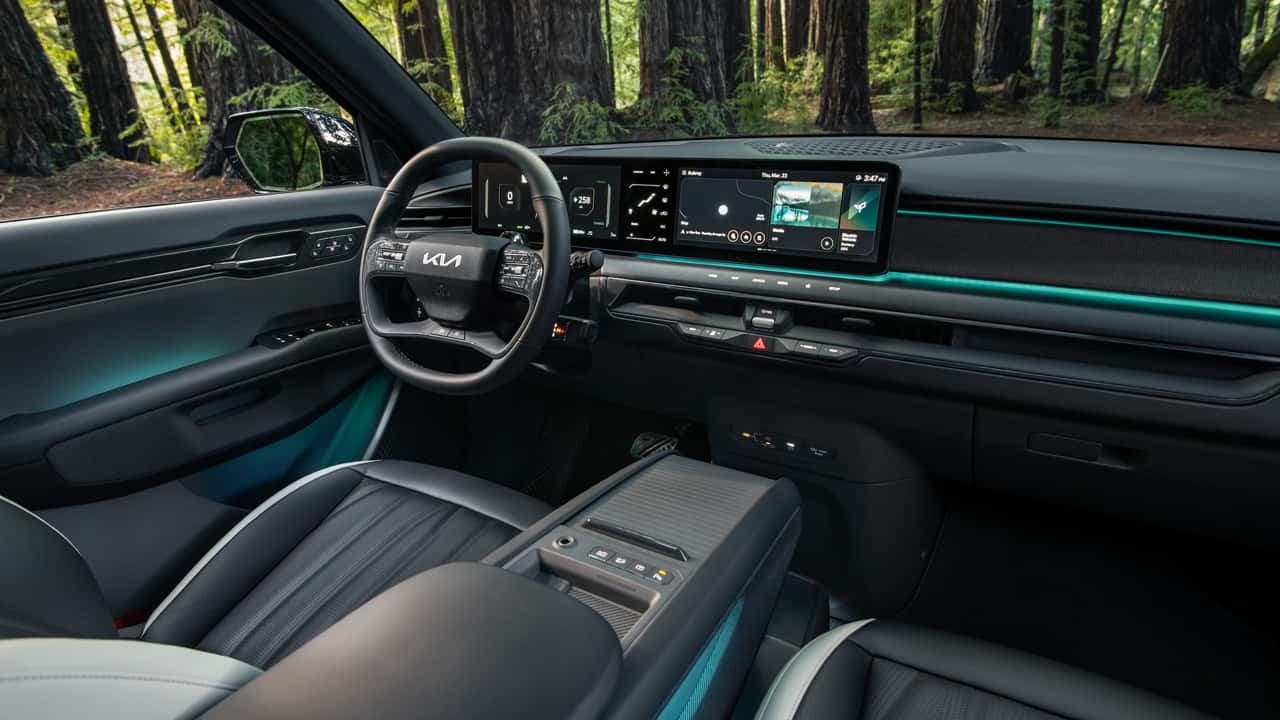
At the heart of the European Semi is a 6x4 tractor configuration, mirroring its North American counterpart. The vehicle utilizes a triple-motor powertrain across the rear two axles, delivering a combined output of up to 800 kW. This setup ensures the vehicle maintains high power at varying speeds, providing the instant torque required for merging onto motorways—a critical feature for heavy-duty transport. Notably, the cab features a unique central driving position designed to maximize visibility. Inside, the environment is tailored for professional drivers, offering standing headroom, a climate-controlled seat, and specialized acoustic glass to minimize road noise during long transits.
Battery Efficiency and Charging Infrastructure
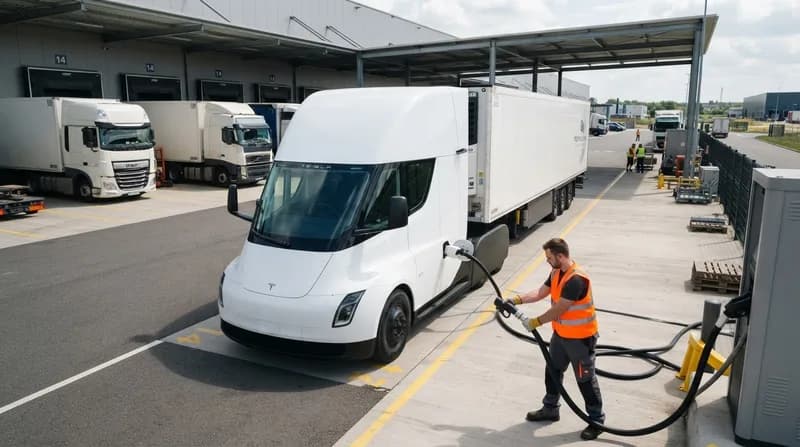
While Tesla has not officially released the specific battery capacity, the European model is expected to house the same 548 kWh pack found in the US 'Standard Range' version, utilizing 4680 cylindrical cells with NCMA chemistry. A standout feature for the European market is the support for megawatt charging at up to 800 kW DC, which enables a 60 per cent recharge in roughly 30 minutes. To support this, Tesla is developing an 'expanding public' network of Megachargers, supplemented by 120 kW 'Basechargers' designed for overnight or extended depot charging.
Payload Optimization and Operational Scope
Tesla has strategically calibrated the European Semi for a gross train weight of 40 tonnes. Operating under European conditions, the vehicle demonstrates an estimated range of 550 kilometres based on a consumption rate of 1.0 kWh/km. By choosing this 'Standard Range' configuration, Tesla is clearly prioritizing payload capacity—estimated at approximately 24.6 to 26.6 tonnes—over absolute maximum range. This design philosophy acknowledges that for many European logistics firms, the ability to haul heavy cargo is a more vital metric for daily productivity than extreme battery-only distance.
Why It Matters
- Operational Efficiency: By targeting lower operating costs, the Semi aims to offset the upfront investment through reduced maintenance and electricity expenditures.
- Fleet Management: The inclusion of the 'Tesla for Business' platform offers real-time telematics, including tyre pressure monitoring, energy consumption tracking, and automated service scheduling.
- Support Ecosystem: To ensure vehicle uptime, Tesla is establishing dedicated Semi Service Centres and mobile on-site support, ensuring that technical expertise is accessible across its European service footprint.
As the industry looks toward the first customer deliveries in 2027, the focus remains on how these performance metrics hold up against real-world European trailers. The upcoming demonstration at IAA Transportation will provide a first-hand look at the technology that Tesla believes will fundamentally revolutionize freight transport on the continent.