The Evolution of the Cybertruck Powershare Feature
When Tesla first unveiled the Cybertruck, one of the most compelling promises was its ability to act as a massive, mobile battery for the modern home. After a three-year wait, the company is finally delivering on that vision with the official rollout of its Vehicle-to-Home (V2H) functionality, now branded as Powershare Home Backup. This feature transforms the vehicle from a mere transportation device into a critical piece of residential energy infrastructure, capable of sustaining a household's electricity needs during extended power outages.
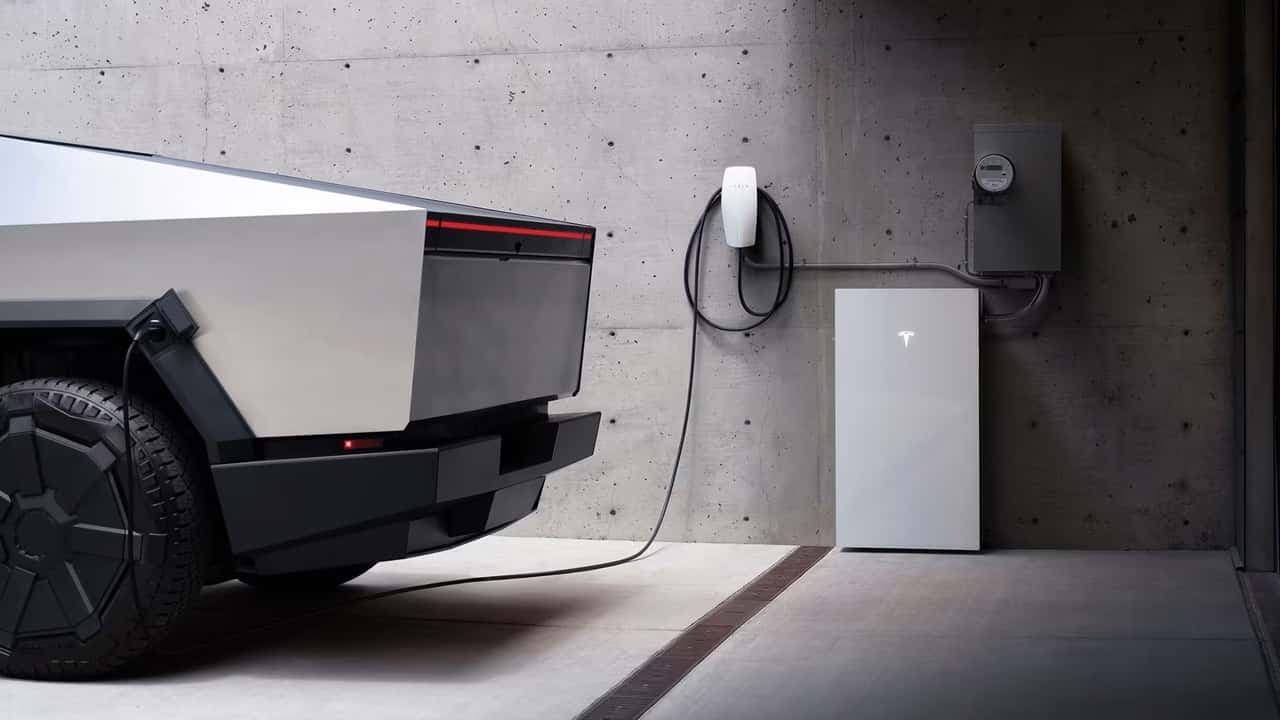
By leveraging the high-voltage energy stored within the truck's massive battery pack, owners can effectively extend their home backup duration by several days. Tesla engineers estimate that a fully charged Cybertruck can provide as much additional energy capacity as nine standalone Powerwall units, offering a substantial buffer for homeowners living in areas prone to grid instability or severe weather events. This capability is managed through a sophisticated integration that links the vehicle, the home charger, and the stationary storage system into a singular, cohesive energy ecosystem.
Hardware Requirements and Compatibility
While the feature is a massive step forward for the platform, Tesla has implemented specific hardware requirements to ensure safety and system efficiency. For the initial launch, the Powershare Home Backup feature requires the presence of a Tesla Powerwall 3. The integration occurs through the company’s Universal Wall Connector, which serves as the bridge between the vehicle's electrical system and the home's grid connection.
The system is impressively capable, supporting up to 11.5 kilowatts of alternating current (AC) power export. This level of output is sufficient to power essential home appliances, lighting, and HVAC systems simultaneously. Tesla has noted that while support is currently limited to the Powerwall 3, they are actively working on firmware updates to extend compatibility to the older Powerwall 2 and Powerwall+ energy storage systems, with those updates expected to arrive by the end of this calendar year.
Technical Specifications and Outlook
- Power Export Capacity: Up to 11.5 kW via AC output.
- Primary Hardware Required: Tesla Powerwall 3 and Universal Wall Connector.
- Energy Potential: Equivalent to roughly nine Powerwall units of additional backup time.
- Phased Rollout: Currently limited to Powerwall 3 owners; legacy Powerwall support coming by Q4.
The implications of this rollout are significant for the broader EV market. As more manufacturers move toward bidirectional charging, the Cybertruck's deployment of V2H sets a new standard for how consumer vehicles can serve as decentralized energy assets. Wes Morrill, the Cybertruck’s lead engineer, emphasized that this is a first-of-its-kind, ambitious integration. By allowing the truck to communicate seamlessly with home storage systems, Tesla is moving closer to its stated goal of creating a self-sustaining home energy network where the vehicle, solar panels, and stationary batteries work in harmony to reduce reliance on the traditional utility grid.