The End of an Irreparable Myth
For generations, the medical community operated under the rigid belief that the human heart was fundamentally incapable of self-repair. It was a somber medical certainty: if a heart attack destroyed muscle tissue, that tissue was lost to permanent scarring, leaving the heart permanently weakened. However, groundbreaking new research from the University of Sydney, published in Circulation Research, has shattered this long-standing assumption, revealing that the adult human heart actually possesses an innate, albeit limited, ability to generate new muscle cells following a cardiac event.
Led by a team including the Baird Institute and Royal Prince Alfred Hospital, researchers found that the heart engages in a process called mitosis—where cells divide and reproduce—after a heart attack occurs. While this natural response is not currently robust enough to fully repair the extensive damage caused by a major cardiac incident, the discovery of this latent biological capability is a seismic shift in how cardiologists view heart recovery. It suggests that the body is not merely waiting for eventual failure, but is actively attempting a repair process that scientists might one day be able to supercharge.
The Power of Living Tissue Models
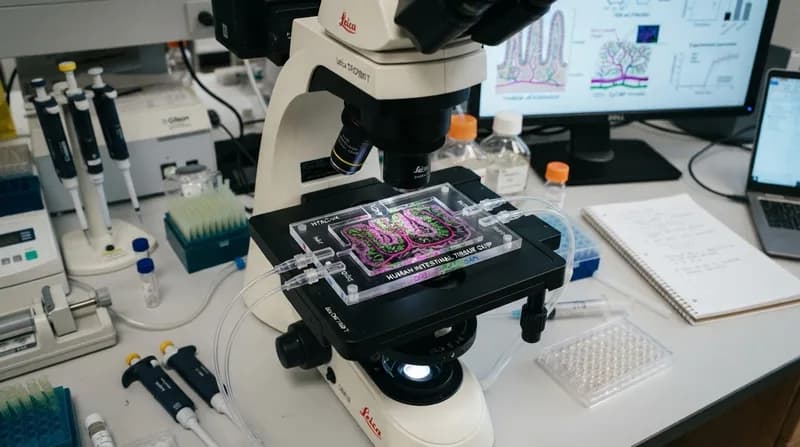
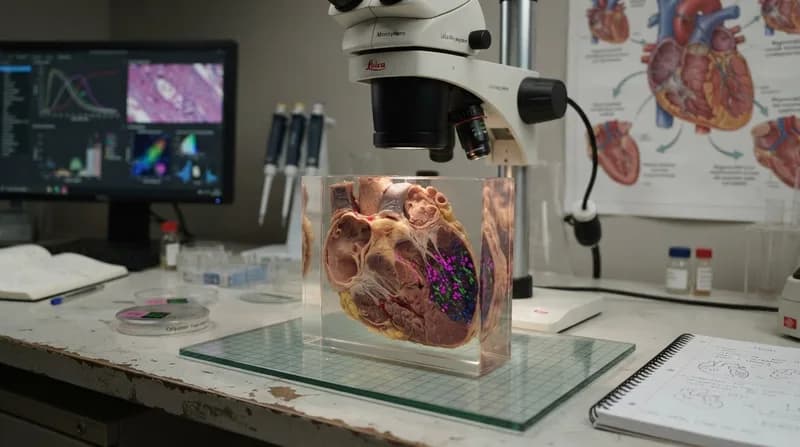
Central to this discovery was the implementation of a world-first research methodology. Instead of relying solely on animal models or static samples, researchers collected living heart tissue from patients undergoing elective bypass surgery. By obtaining samples from both diseased and healthy areas of the same heart, the team created a laboratory environment that mirrors the actual biological conditions of a human patient.
This "pre-mortem" tissue collection technique, pioneered by Professors Paul Bannon and Sean Lal, is already yielding high-fidelity data. By studying these living samples, researchers have identified specific proteins that appear to trigger this regenerative response. These findings directly correlate with observations previously made in mice, providing a reliable roadmap for translating animal-based success into human therapeutic applications. This model is now expected to serve as the gold standard for testing future regenerative treatments designed to combat heart failure.
Why It Matters
- Challenging Dogma: The study proves that the human heart is not a static organ but has a natural, inherent regenerative capacity that was previously dismissed.
- Addressing the Transplant Gap: With heart failure affecting over 144,000 Australians and heart transplants remaining exceptionally rare, finding a non-surgical way to regrow heart muscle could save countless lives.
- Clinical Precision: The use of living human tissue models provides a more accurate, reliable platform for pharmaceutical development than traditional animal studies.
The Path Toward Heart Regeneration
The implications for the future of cardiology are profound. Cardiovascular disease remains a leading global cause of death, often progressing into chronic heart failure, where the heart’s pumping capacity becomes insufficient to sustain the body. Currently, the most severe cases of heart failure offer patients few alternatives beyond a heart transplant—a solution that is statistically unavailable to the vast majority of those in need due to a lack of donor organs.
Looking ahead, the research team is focused on identifying therapies that can amplify the heart's natural regenerative signals. By focusing on the newly identified proteins that stimulate mitosis, scientists hope to develop pharmaceutical interventions that could convince a damaged heart to "self-repair" its scarred regions. While clinical treatments are still in the future, this discovery represents the first concrete evidence that the human heart can be coaxed back to health, providing a beacon of hope for patients who previously had no path to recovery.