A New Frontier in Longevity Research
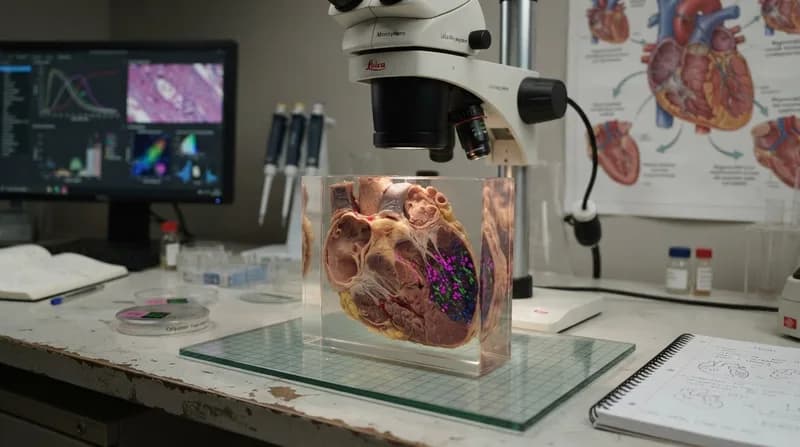
As global life expectancy trends begin to level off in developed nations, the scientific community is shifting its focus from mere disease prevention to a more fundamental inquiry: what is the nature of aging itself? A groundbreaking study published in Cell Reports Medicine has provided the most detailed biological snapshot of human longevity to date, centered on the life of Maria Branyas, who lived to be over 117 years old. By performing a comprehensive multi-omic analysis—encompassing genomics, proteomics, epigenomics, metabolomics, and microbiomics—researchers at the Josep Carreras Leukaemia Research Institute have unlocked a fascinating biological duality that challenges our traditional understanding of getting older.
The Duality of Aging and Protection
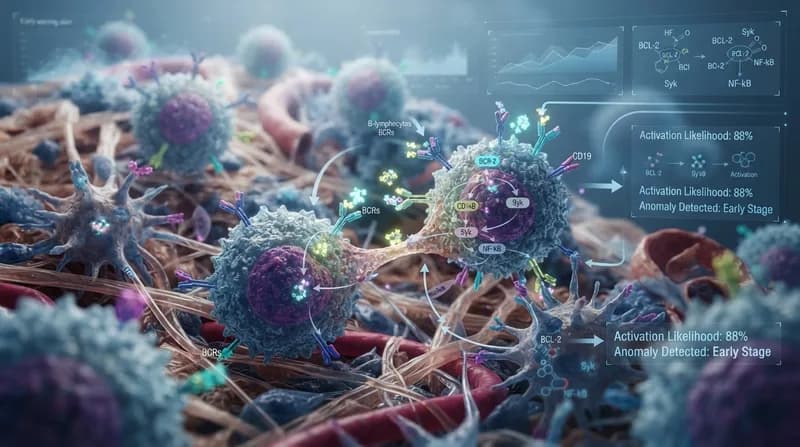
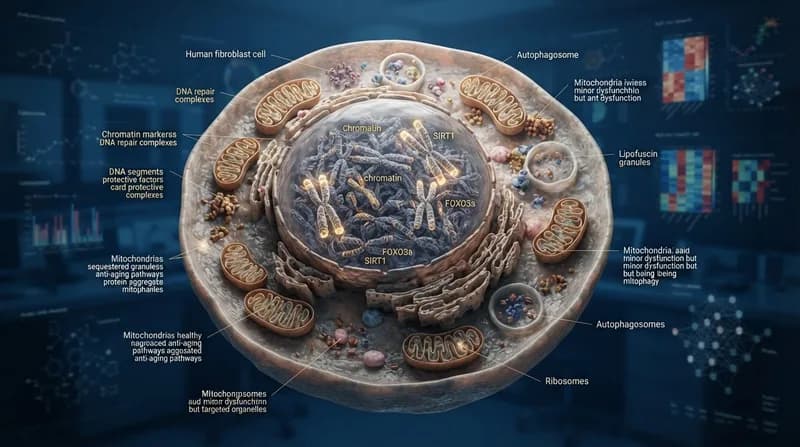
The research team, led by Dr. Manel Esteller, discovered that Branyas’s physiology did not simply reflect a slow-motion version of standard aging. Instead, her body displayed a complex interplay between degenerative markers and unique, protective traits. On one hand, she exhibited classic signs of extreme age, including shortened telomeres at the ends of her chromosomes and an immune system characterized by pro-inflammatory markers and aged B lymphocytes. These are standard hallmarks of the body's natural decline over more than a century of existence.
Simultaneously, however, Branyas possessed an array of biological defenses that countered these deleterious effects. She displayed specific genetic signatures associated with neuroprotection and cardioprotection, alongside remarkably low systemic inflammation levels. Furthermore, her gut microbiome was dominated by beneficial bifidobacteria, and her epigenetic biological age was consistently lower than her chronological age. This combination suggests that exceptional longevity is not about escaping the aging process entirely, but rather about possessing a biological architecture that can coexist with age-related damage while preventing the catastrophic health failures usually associated with it.
Why It Matters: Redefining Medical Intervention
The significance of this study extends well beyond the fascination of extreme lifespans. Because Branyas lived a life notably free of major diseases, researchers were granted a rare window into the pure biology of aging, untangled from the complications of chronic illness. This distinction is vital for several reasons:
- Understanding Hematological Vulnerability: The study’s insights into the aging blood-forming system provide a baseline for understanding how individuals become vulnerable to blood cancers like leukemia as they grow older.
- Separating Aging from Pathology: By clearly distinguishing the biological clock from pathological disease, scientists can now isolate pathways that might be targeted to improve healthspan.
- Future Therapeutics: The research suggests that the dream of 'treating' aging directly might be closer than previously thought. As epigenetic therapies and senolytic drugs—which target aging cells—are already being refined for oncology, these findings provide a new roadmap for applying such interventions to the broader aging process.
Outlook: Toward Treatable Aging
While the research team cautions against drawing direct lines between specific lifestyle choices and these biological markers, they note that Branyas’s life was characterized by a healthy diet, a rich, diverse social network, and an absence of toxic habits. As scientists look toward the future, the goal is to bridge the gap between these observational snapshots and actionable medical technologies. If the biological mechanisms of protection discovered in this study can be mimicked, humanity might eventually transition into an era where aging is not a fixed, inevitable decline, but a manageable condition that can be steered toward better quality of life.