A Shift in Service Strategy
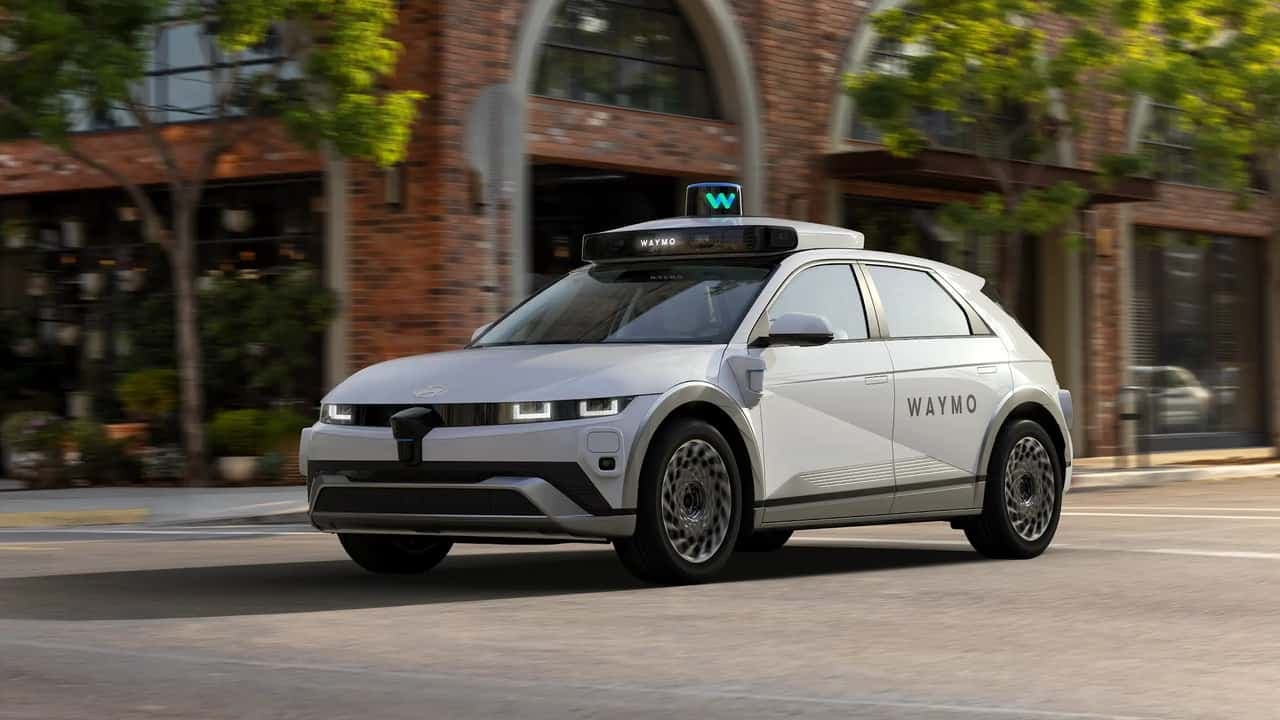
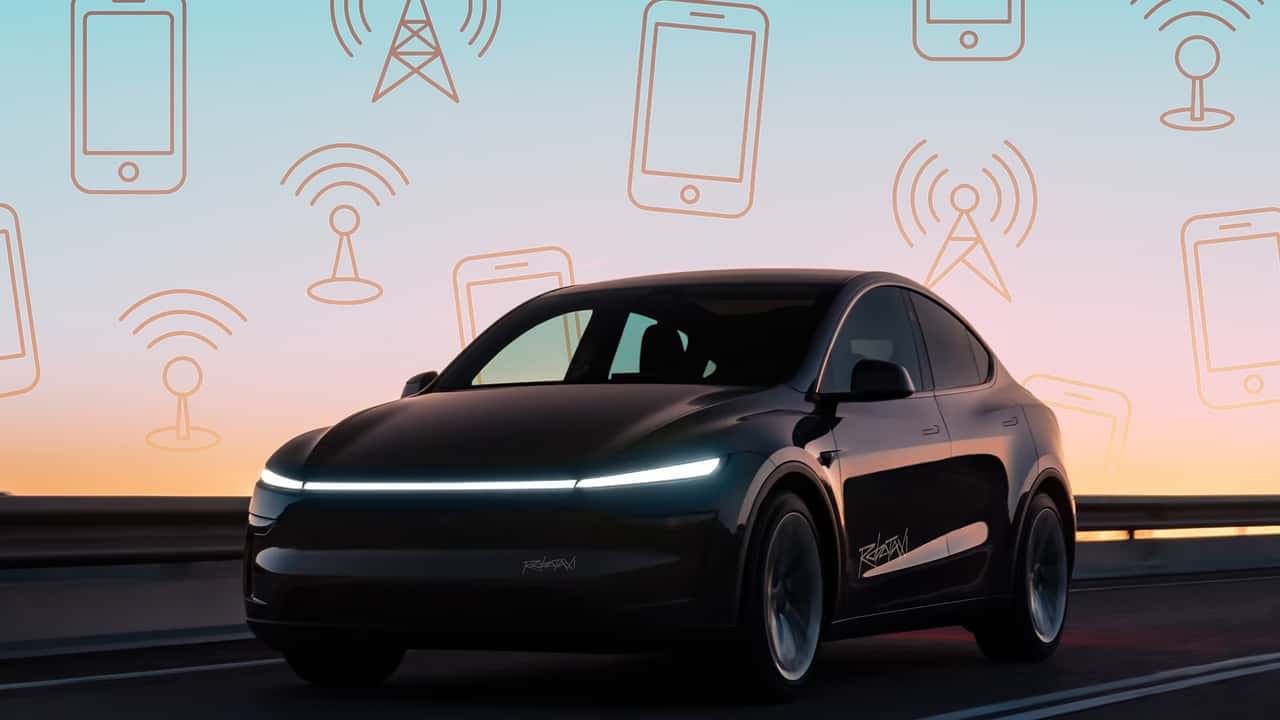
For years, the automotive industry has relied on a standardized service loaner model. Whether it’s a courtesy vehicle or a stack of ride-sharing credits, the goal remains the same: keep the customer mobile while their car undergoes maintenance. However, Tesla appears to be rethinking this paradigm. According to recent findings buried within the company's latest app code, the automaker is laying the groundwork for a transition to an autonomous fleet, specifically using robotaxis as a replacement for traditional loaners.
The current service experience at Tesla has been somewhat fluid, oscillating between providing dedicated loaner vehicles and relying on third-party ride-hailing credits. By integrating robotaxis into the service ecosystem, Tesla could potentially optimize its operational efficiency. Instead of keeping a dedicated fleet of vehicles sitting idle in a service center parking lot, these robotaxis could serve customers when they need transportation and function as revenue-generating assets for the rest of the day.
The Potential Utility of Autonomous Loaners
The transition to an autonomous loaner system is more than just a logistical update; it represents a major tactical shift. By leveraging its own self-driving technology, Tesla could effectively turn its service centers into hubs of autonomous mobility. Because the company already possesses precise data on customer locations, repair timelines, and scheduling, the logistics of coordinating a ride to and from a service center could be handled seamlessly through the Tesla app.
This move is likely designed to minimize costs associated with third-party providers like Uber, while simultaneously serving as a massive display of confidence in its autonomous driving platform. If customers can successfully drop off their vehicle and have a robotaxi waiting to whisk them home, it reinforces the value of Tesla’s ecosystem while keeping the driver firmly embedded in the company's software and hardware bubble.
A Broader Menu of Mobility Options
The leaked app code doesn't just reference robotaxis; it points to a wider, more experimental approach to short-term transportation. The references found by developers suggest that Tesla is contemplating several distinct service-related transport tiers, which could redefine what a customer expects when leaving their car for a service appointment.
- Robotaxi: The primary autonomous offering designed for seamless, driverless transit.
- Paid Loaner: A traditional approach for users who may require a physical vehicle for an extended period.
- E-Bike: A sustainable, short-range alternative for urban environments where vehicle traffic is dense.
- Bolt: While the industry remains speculative, this inclusion suggests Tesla is exploring various high-speed or specific-use transport categories within its future service portal.
Why it Matters: The Road Ahead
While the prospect of a driverless taxi arriving to ferry you home from a service appointment sounds like something out of science fiction, it remains a long-term goal that faces significant regulatory and practical hurdles. Autonomous vehicle adoption is heavily dependent on regional laws, and the technology is currently more viable in select metropolitan "hot spots" like Austin and the San Francisco Bay Area than it is nationwide.
However, the existence of this code indicates that Tesla is actively prototyping the logistics behind this vision. If the rollout succeeds, it would mark a significant shift in how manufacturers think about post-purchase support. By monetizing the time between drop-off and pick-up, Tesla isn't just fixing cars—it's building a vertical, integrated transportation network that keeps the customer within its reach from the moment they book an appointment to the moment they receive their vehicle back.