A New Frontier for Affordable EV Energy
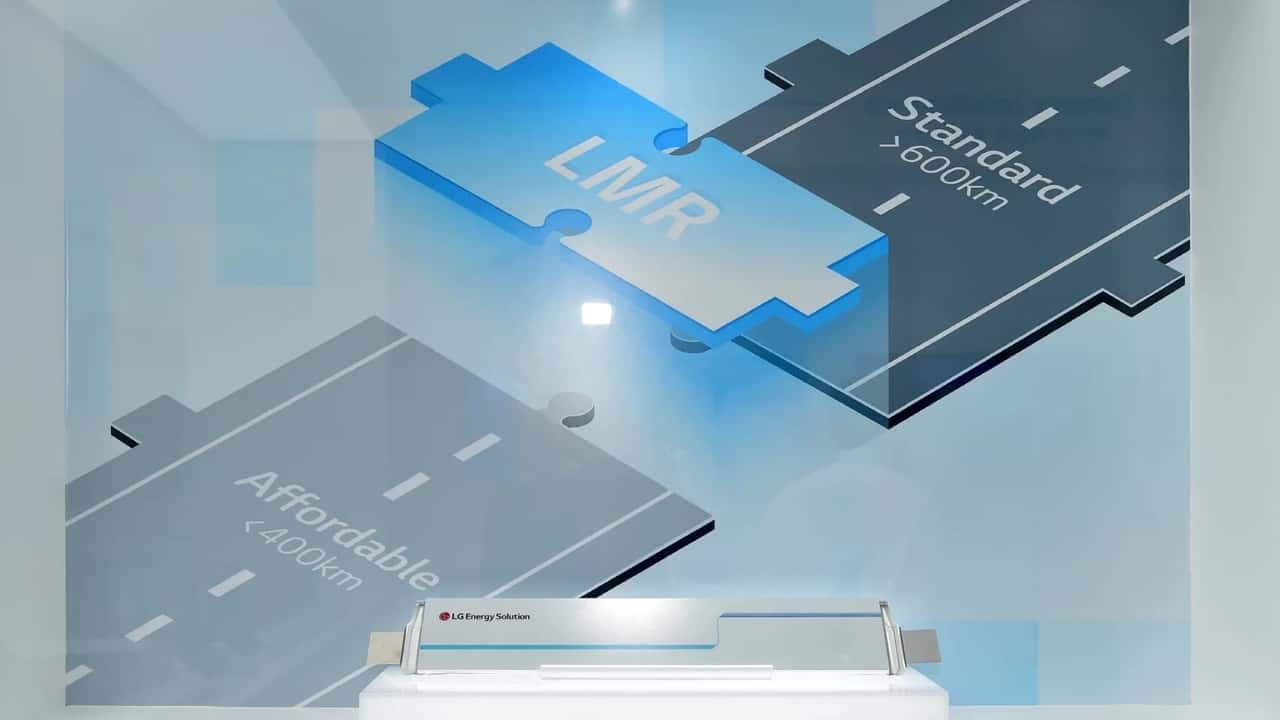
The quest for the perfect electric vehicle battery has long been a tug-of-war between cost, energy density, and longevity. While lithium iron phosphate (LFP) batteries have gained traction as an affordable solution, they often fall short in energy density. Enter the lithium manganese-rich (LMR) battery—a chemistry that promises the best of both worlds: lower production costs thanks to abundant manganese, and the high performance typically associated with nickel-heavy cells. However, LMR technology has historically struggled with rapid degradation, a hurdle that LG Energy Solution, in partnership with Seoul National University, may have finally cleared.
The Breakthrough: Controlling the Oxygen Cycle
The primary issue with LMR batteries lies within the cathode. During operation, oxygen molecules participate in the energy storage process, but if these reactions do not reverse perfectly during the discharge cycle, they can lead to internal structural damage and harmful gas buildup. This chemical instability has been the primary barrier to mass-market adoption.
By refining the electrochemical protocols, researchers discovered that modifying voltage parameters can significantly enhance cell health. By lowering the charging cutoff from 4.6 volts to 4.3 volts and extending the discharge floor down to 2 volts, the team improved oxygen recovery rates from 86% to 97%. When paired with a new low-temperature formation process, the cells demonstrated remarkable resilience. In laboratory testing, these experimental units retained 92.2% of their original capacity after 883 charge-discharge cycles, putting them well on the path to meeting the automotive industry’s standard lifecycle requirements of 1,000 to 2,000 cycles.
Why It Matters
- Cost Efficiency: Manganese is significantly more abundant and affordable than the nickel and cobalt required in traditional high-performance batteries.
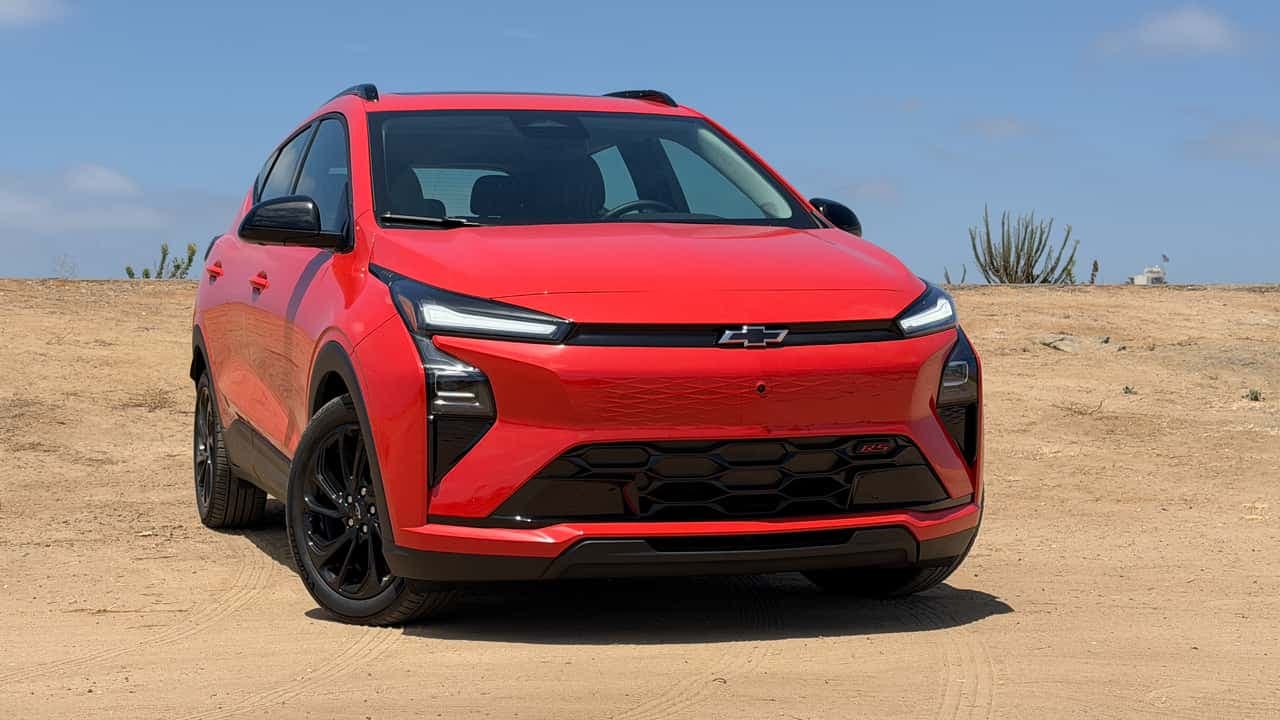
- Energy Density: General Motors, which has heavily invested in this chemistry, projects LMR cells will provide roughly 33% higher energy density than LFP batteries at a similar price point.
- Longevity: By proving that chemical degradation can be managed through software and manufacturing protocols rather than just hardware changes, this research provides a viable pathway for large-format EV battery production.
The Path from Lab to Road
While the laboratory results are highly encouraging, the transition from controlled experimental settings to the road remains the ultimate test. Automakers, particularly General Motors, are already banking on LMR technology to play a pivotal role in their future lineups, with potential U.S. production scheduled for 2028. However, experts note that there are still unknowns regarding how these batteries will handle the rigors of real-world use, specifically regarding rapid charging speeds and extreme cold-weather performance.
Despite these open questions, the collaborative effort between LG and Seoul National University represents a significant technical win. By proving that cell stability can be fundamentally improved through electrochemical design, the industry has a clearer roadmap to developing the next generation of affordable, long-range electric vehicles. As manufacturers look to move beyond the current limitations of LFP chemistry, this breakthrough ensures that LMR remains a top-tier contender for the future of sustainable mobility.