A Strategic Shift in Retail Mobility
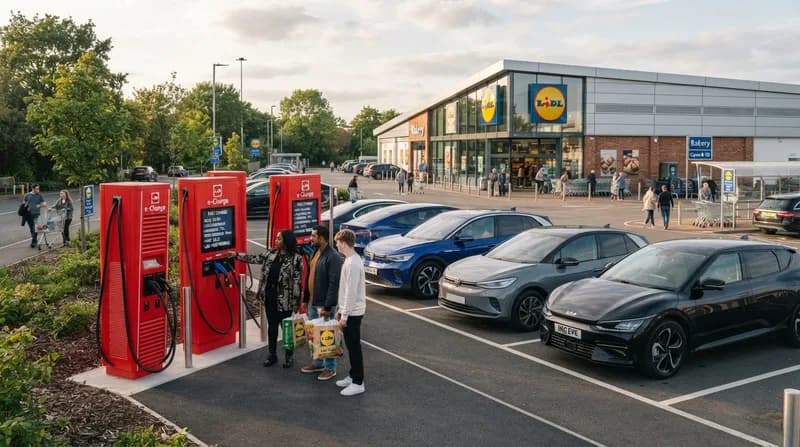
Lidl GB has announced a significant expansion of its electric vehicle infrastructure, signaling a major boost for UK motorists. The supermarket chain has confirmed a dual-pronged strategy: reducing the cost of rapid charging for users of its loyalty app and committing a fresh £10 million investment toward hardware deployment for the current financial year. This move highlights the growing role of retail spaces in the national EV charging ecosystem, turning the mundane grocery run into an opportunity for essential vehicle maintenance.
New Tariff Structures and Financial Savings
The most immediate benefit for current EV owners is a reduction in charging tariffs. By utilizing the Lidl Plus app, drivers can now access rapid charging at a rate of £0.59 per kWh, down from the previous £0.62 per kWh. While three pence per unit might seem modest on an individual transaction basis, the retailer calculates that frequent users could see annual savings of approximately £529. This pricing adjustment is part of a broader push to position the supermarket as a cost-effective alternative to public charging networks, potentially saving a typical shopper over four pounds per charging session compared to the wider market average.
Aggressive Hardware Expansion
Beyond current pricing, the £10 million capital injection focuses on the tangible expansion of the hardware network. Lidl intends to install 100 new rapid chargers at its existing UK store locations, specifically targeting branches that currently lack any EV facilities. Furthermore, the company has integrated charging hardware into its corporate growth roadmap, mandating the installation of rapid chargers at the majority of its newly constructed stores moving forward.
Why it Matters
- Independence from Third Parties: Unlike many competitors that lease out their parking space to external charging operators, Lidl maintains direct ownership and management of its charge points. This control allows for more consistent pricing and better reliability across its network.
- Seamless Integration: By embedding payment systems directly into the Lidl Plus app, the company simplifies the user experience, reducing the friction often associated with fragmented third-party charging apps and credit card terminals.
- Scale and Momentum: This latest announcement builds upon a substantial 2019 initiative that allocated £25 million to bring fast-charging capabilities to over 300 locations. Currently, roughly one-third of all Lidl stores in the UK provide access to rapid charging, a number that is set to grow significantly as this new hardware rollout gains traction.
Outlook and Future Implications
Lidl’s commitment underscores a long-term vision where retail and utility merge. By effectively turning their parking lots into service hubs, they are not only incentivizing store visits but also addressing the critical bottleneck of reliable public charging access. As the UK continues to transition toward an all-electric fleet, the ability for shoppers to ‘top up’ while picking up groceries provides a practical solution to range anxiety, setting a competitive benchmark for other major retailers to follow.