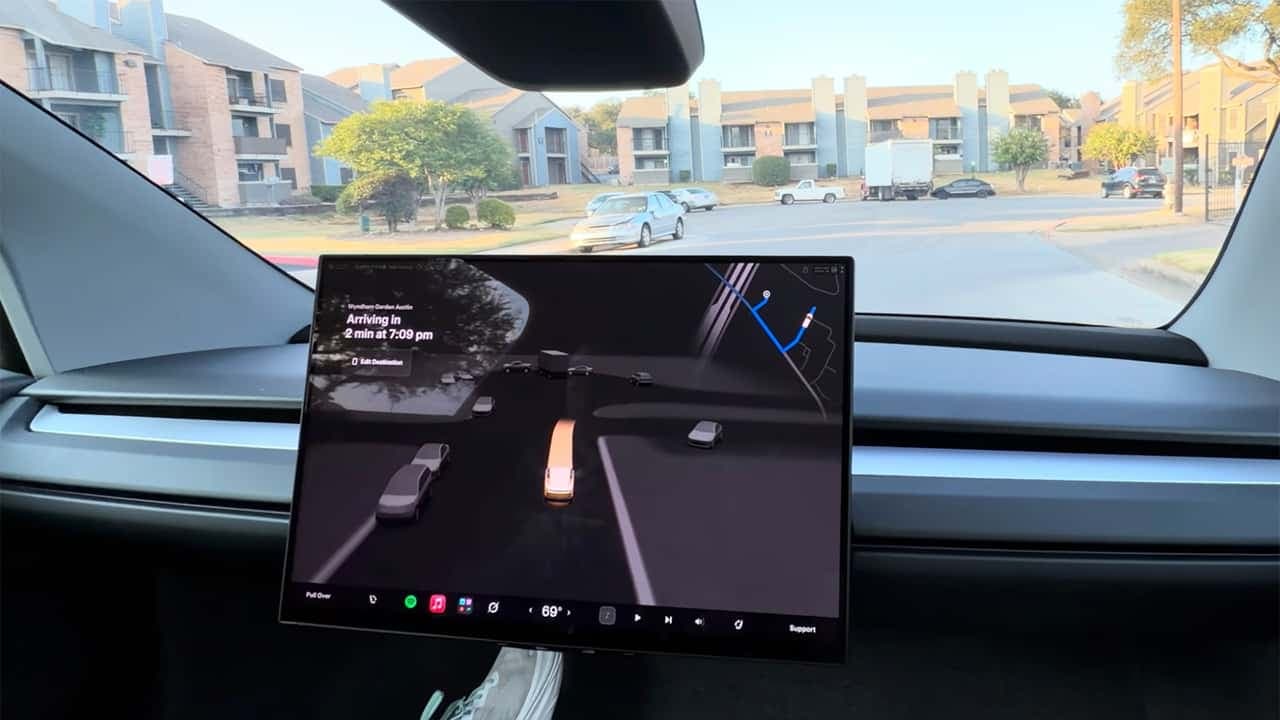
Reports emerging from various users indicate that Tesla's Full Self-Driving (FSD) Lite version 14.1 is facing significant challenges, particularly in detecting substantial road obstacles such as fallen trees and logs. This raises serious safety concerns around the viability of the technology in complex real-world scenarios.
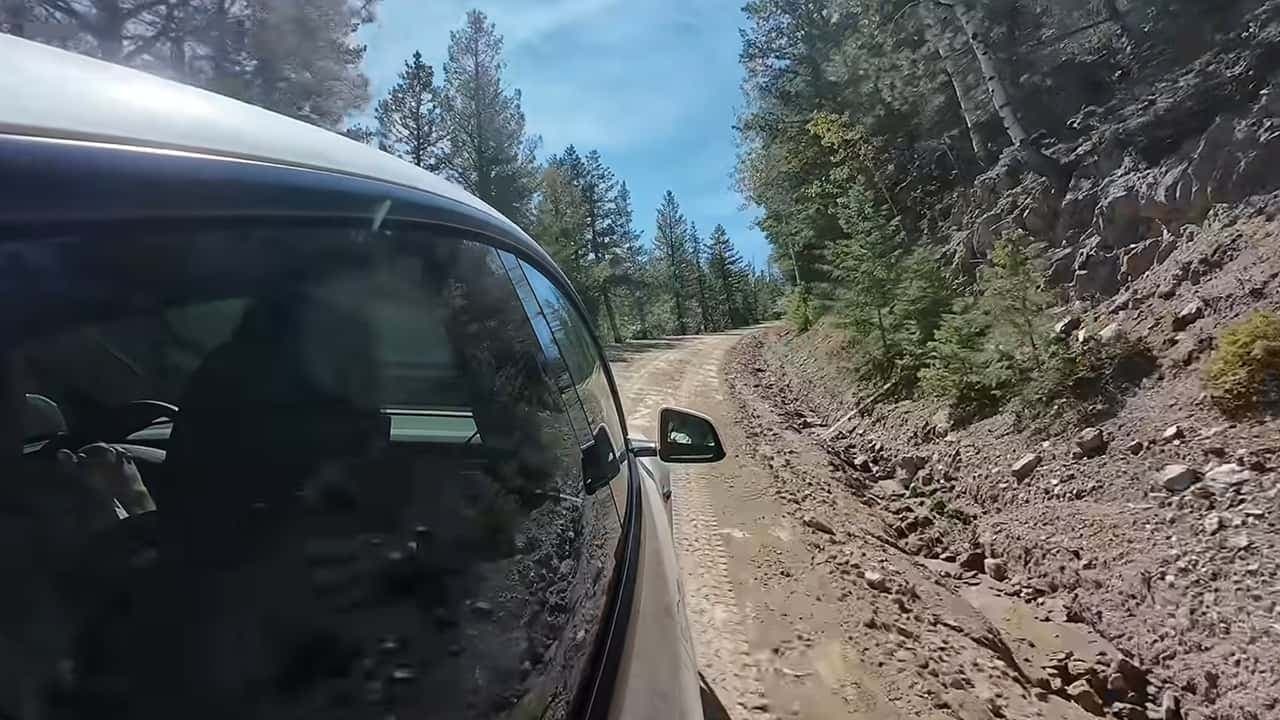
Key incidents involving Tesla's hardware highlight the limitations of the older Hardware 3 model, which powers FSD Lite. Both cases featured vehicles that failed to stop for sizable obstacles, underscoring the potential dangers associated with trusting the system. In one instance, a user had to intervene to avoid a collision after the vehicle repeatedly rolled towards a fallen tree.
Key Facts
- Release Date: FSD Lite v14.1 was released in June 2023.
- Hardware Limitations: It operates on Tesla's Hardware 3, which lacks the computational capabilities of the newer Hardware 4 introduced in post-2023 vehicles.
- Camera and RAM Specs: Hardware 3 is equipped with 1.2-megapixel cameras and 8 GB of RAM, while Hardware 4 boasts 5-megapixel cameras and 16 GB of RAM.
- CEO Comments: Elon Musk acknowledged on a recent earnings call that the limitations of Hardware 3 will significantly impede the system's attainment of true self-driving capabilities.
- Additional Issues: Online reports indicate overheating and lane tracking inaccuracies in FSD Lite, further exacerbating safety concerns for users.
The ongoing struggles with Tesla's FSD Lite not only question the current capabilities of the technology but also highlight broader implications for driver trust and safety in autonomous vehicles. As the company pivots towards more advanced hardware solutions, the inadequacies of Hardware 3 could jeopardize the reputation of Tesla's self-driving initiatives.