E-BUZZ ME Logo
Electric VehiclesTechnical Deep Dive

Tesla's FSD Lite Faces Severe Limitations in Object Detection

Published
EElectricBuzz Editorial Team
Tesla's FSD Lite Faces Severe Limitations in Object Detection
2 min read253 wordsElectricBuzz Editorial Team

The Gist

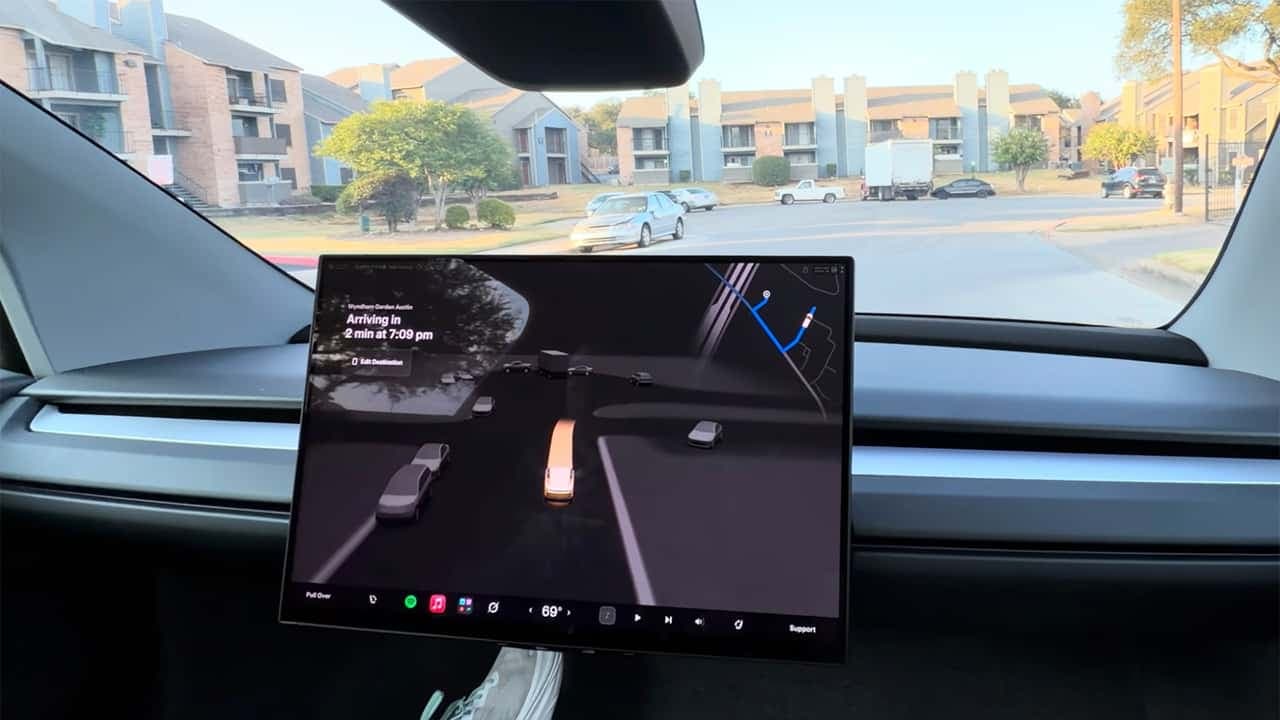
Tesla's Full Self-Driving (FSD) Lite, which runs on the older Hardware 3, is struggling to detect obstacles like fallen trees, raising safety concerns among users.

Tesla's Full Self-Driving (FSD) Lite, particularly version 14.1 launched in June 2023, has come under scrutiny for its inadequate obstacle detection capabilities. Users have documented instances where the software failed to stop for significant roadway hazards, such as fallen trees, sparking safety concerns and frustration.

Videos circulating on social media demonstrate FSD Lite's deficiencies in recognizing and reacting to large objects. One notable incident involved a user sharing footage of the system continuing to drive at night despite a large fallen tree blocking the lane, showcasing a critical shortcoming in safety.

Key Limitations

  • Outdated Technology: FSD Lite operates on Tesla's Hardware 3, which is inherently limited in computing power. It features only 8 GB of RAM and lower-resolution 1.2-megapixel cameras, in stark contrast to the advanced 5-megapixel cameras in Hardware 4.
  • Unreliable Detection: Users have reported that FSD Lite struggles not just with large objects but also with consistent lane tracking, which affects the overall driving experience.
  • CEO's Acknowledgment: Tesla CEO Elon Musk confirmed that Hardware 3 will not support the complete suite of self-driving functions when those capabilities are ultimately released, hinting at the limitations of FSD Lite.
  • Heat Issues: The system is reportedly experiencing heat-related problems, further exacerbating its performance issues.

Despite being marketed as a budget-friendly alternative for older Tesla models, these limitations raise significant questions about the viability of FSD Lite for safe autonomous driving. As Tesla continues to develop its self-driving technology, the contrast between Hardware 3 and the newer hardware suggests a clear path forward for improvements.

Related Stories

Semantically matched articles, ranked by topic overlap and freshness.

Thessaloniki Expands Green Transit Fleet with 50 New Yutong E-Buses
Electric Vehicles

Thessaloniki Expands Green Transit Fleet with 50 New Yutong E-Buses

The Greek city of Thessaloniki has officially integrated 50 new electric articulated buses from Yutong into its public transport network, marking a significant milestone in the city's sustainable mobility strategy.

UK EV Market Surges: Electric Powertrains Outpace Gas in Landmark August Shift
Electric Vehicles

UK EV Market Surges: Electric Powertrains Outpace Gas in Landmark August Shift

Electric vehicles have officially become the top-selling powertrain in the UK, capturing a significant 30% market share as policy mandates and shifting consumer preferences drive the transition away from fossil fuels.

Schneider Electric Challenges Tesla With New Smart Home EV Charger
Electric Vehicles

Schneider Electric Challenges Tesla With New Smart Home EV Charger

Schneider Electric has launched a powerful new home EV charger that simplifies energy management by including dynamic load-balancing hardware right out of the box.

Decoding EV Battery Health: How Tesla Models Age Over 100,000 Miles
Electric Vehicles

Decoding EV Battery Health: How Tesla Models Age Over 100,000 Miles

A comprehensive study of 500,000 battery tests reveals how Tesla's popular electric vehicles hold up after nearly 100,000 miles of real-world driving.

UltraTech Cement Accelerates Industrial Decarbonization with 600+ New Electric Trucks
Electric Vehicles

UltraTech Cement Accelerates Industrial Decarbonization with 600+ New Electric Trucks

Cement giant UltraTech is staging a massive shift in logistics, deploying over 600 heavy-duty electric vehicles to slash emissions across its Indian supply chain.

Tesla’s Cybercab Hits Public Roads: A Quiet Evolution in Autonomous Transport
Electric Vehicles

Tesla’s Cybercab Hits Public Roads: A Quiet Evolution in Autonomous Transport

Tesla's steering-wheel-free Cybercab has begun transporting passengers in Austin, marking a major milestone in the shift toward fully autonomous, pedal-free ride-hailing.

Oslo Achieves Global Milestone: 48.8% of Passenger Cars Are Electric
Electric Vehicles

Oslo Achieves Global Milestone: 48.8% of Passenger Cars Are Electric

Oslo has become the world's most electrified city with 48.8% of passenger cars electric, utilizing over 3,500 AC charging plugs as the primary infrastructure rather than fast chargers, enabled by 2020 legislation granting apartment residents the right to install home chargers.

Tesla Cybercab Introduces Brake-By-Wire System Eliminating Traditional Hydraulics
Electric Vehicles

Tesla Cybercab Introduces Brake-By-Wire System Eliminating Traditional Hydraulics

Tesla's robotaxi eliminates brake lines and fluid, using individual electronic actuators at each caliper for the first time in mass production. The innovation reduces costs and enables independent wheel braking control.