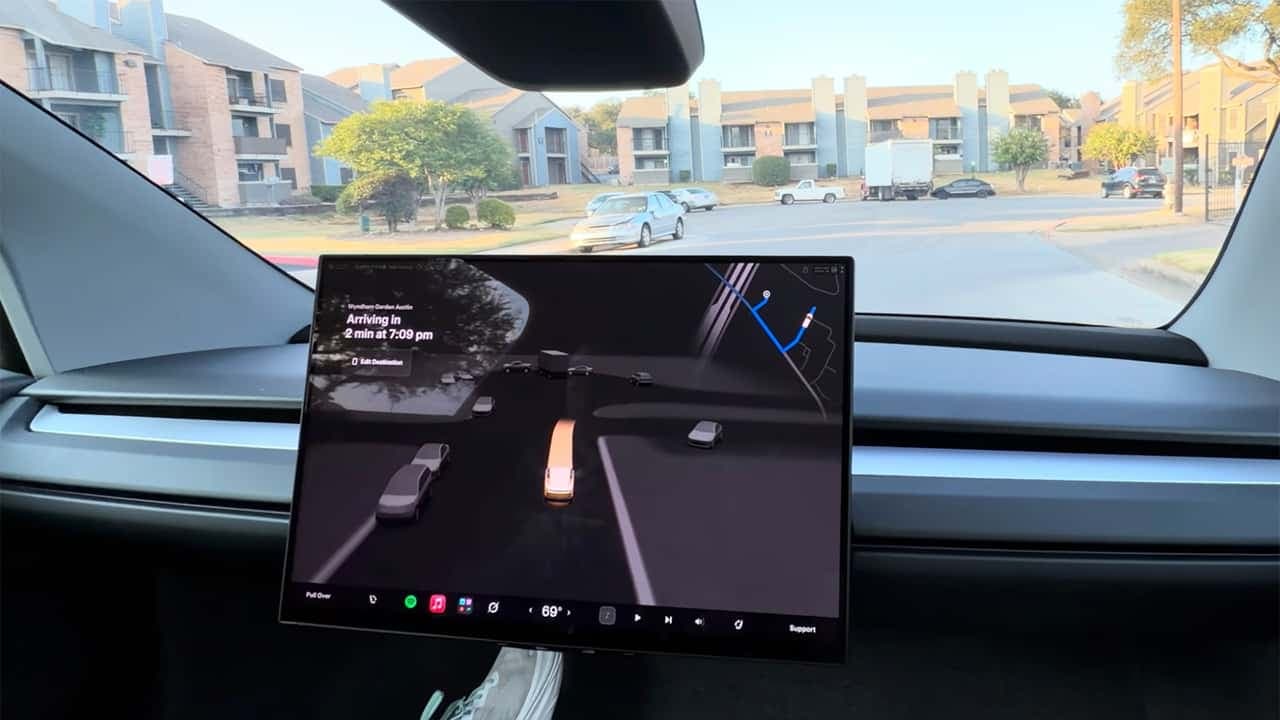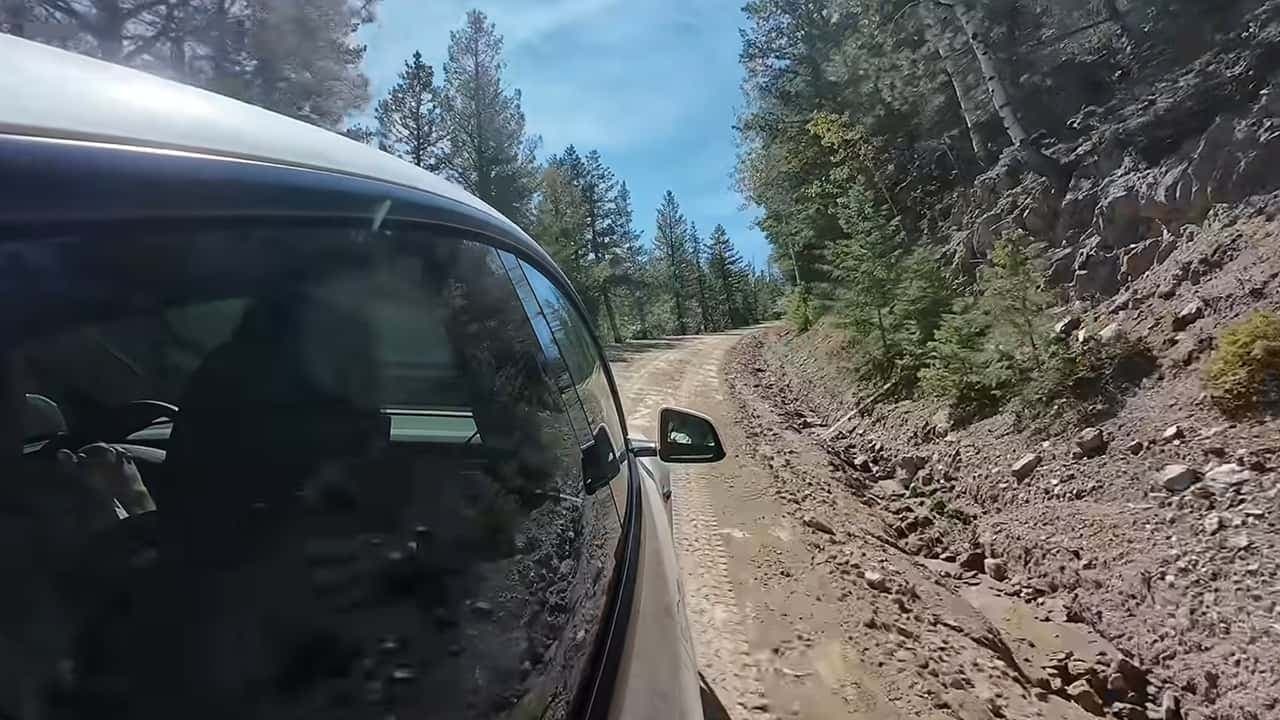
The Tesla Model 3, fitted with the company's Full Self-Driving (FSD) system, has passed a notable test by navigating Lick Skillet Road in Colorado, recognized as the steepest dirt road in the United States. This road presents significant challenges, with an average grade of 14.2% and peaks at 18%. The successful drive highlights the advancement in Tesla's autonomous driving technology.
The test demonstrated FSD's capabilities in recognizing the dimensions of the unpaved road and maintaining proper positioning despite the lack of lane markings. The vehicle's ability to adapt was particularly evident during encounters with cyclists and a pedestrian, prompting manual intervention to ensure safe navigation. This incident underscores the ongoing challenges related to identifying dynamic obstacles on the road.
Additional factors, such as blind corners and road debris, often complicate autonomous driving, yet the Model 3 managed to traverse the route without major incidents. This test not only validates Tesla's progress in enhancing vehicle navigation systems but also indicates that the FSD can manage varying types of terrain with improved efficiency and safety.
Key Points
- The average grade of Lick Skillet Road is 14.2%, with a maximum grade of 18%, making navigation challenging for any vehicle.
- FSD recognized the road's width and maintained proper lane positioning despite the absence of painted lines.
- The vehicle's interaction with pedestrians and cyclists required human intervention, revealing some limitations in obstacle recognition.
- Blind corners and debris on the road typically complicate autonomous navigation, yet FSD performed effectively.
- Successful navigation of this difficult terrain suggests FSD’s capabilities could be broadened to handle various road conditions.
Overall, this test may represent an important milestone in the ongoing development of autonomous vehicle technology.