Electric VehiclesTechnical Deep Dive

Tesla's Cybercab Ditches the Onboard Charger: A Radical Pivot to Fleet-First DC Power

Published
EElectricBuzz Editorial Team
Tesla's Cybercab Ditches the Onboard Charger: A Radical Pivot to Fleet-First DC Power
3 min read536 wordsElectricBuzz Editorial Team

The Gist

In a bold move to slash costs and complexity, Tesla’s purpose-built robotaxi arrives without an onboard charger, mandating a future built on high-speed DC infrastructure.

The End of Home Charging as We Know It

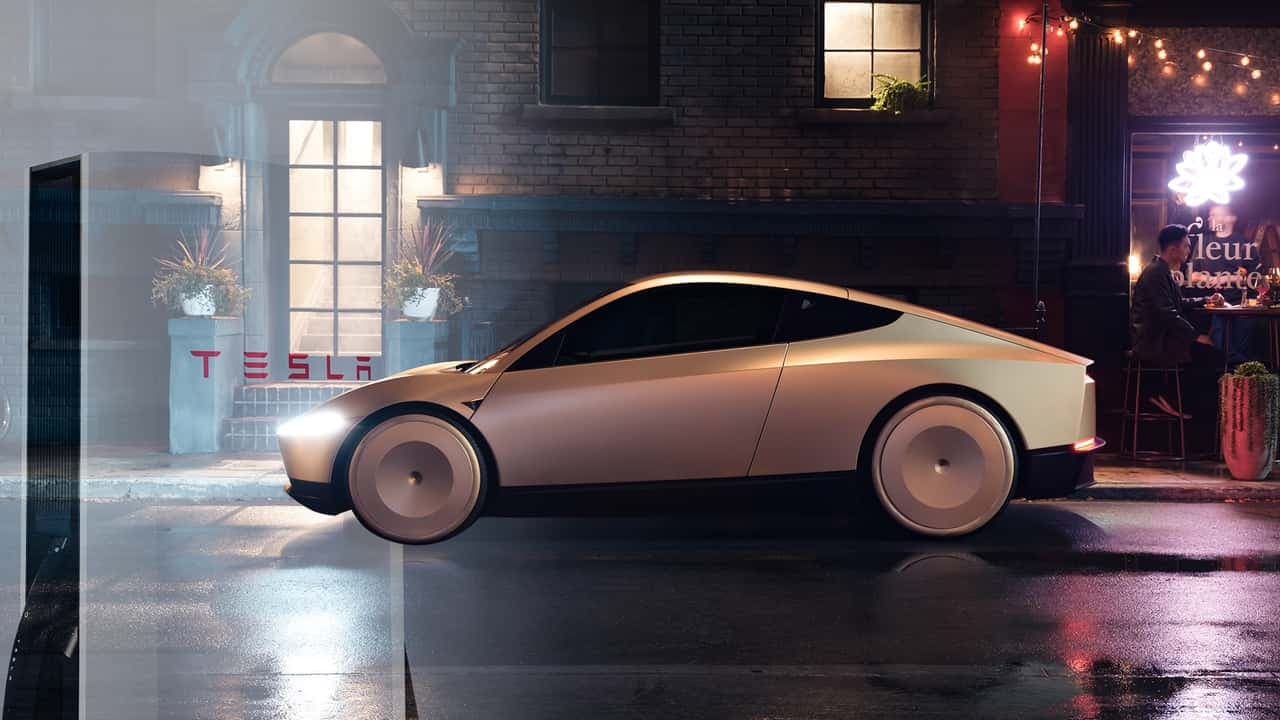
Tesla’s vision for the future of urban mobility, the Cybercab, has officially shed the last remnants of traditional passenger vehicle design. In its pursuit of a hyper-optimized autonomous platform, the company has removed almost everything deemed unnecessary for a robotaxi: there are no pedals, no steering wheel, and, perhaps most surprisingly, no onboard charger. This design choice marks a significant departure from the standard electric vehicle experience, fundamentally altering how the car interacts with the power grid.

For the average EV owner, the onboard charger is a silent workhorse, tucked away to convert alternating current (AC) from a residential wall outlet into the direct current (DC) required to store energy in a battery. By omitting this component, Tesla is leaning heavily into a fleet-oriented infrastructure model. Without an onboard charger, the Cybercab is effectively incapable of utilizing standard home charging solutions. Instead, it requires a direct DC connection, meaning the vehicle must rely exclusively on high-power Superchargers or specialized, Tesla-designed charging hardware.

The Logic Behind the Deletion

From an engineering and economic standpoint, the decision to remove the onboard charger is a calculated move to reduce weight, manufacturing complexity, and vehicle cost. Tesla is positioning the Cybercab not as a consumer vehicle intended for the garage, but as a commercial asset designed for maximum uptime. By prioritizing DC-only charging, the platform is optimized for the rapid turnaround times required in a profitable robotaxi fleet. Since the vehicle is intended to spend the vast majority of its time moving passengers, it is designed to be "juiced up" at dedicated rapid-charging hubs rather than idling overnight in a residential driveway.

The shift also paves the way for Tesla’s long-term reliance on inductive wireless charging. By removing the need for a physical, user-operated cable, Tesla is aiming to automate the entire ownership cycle. Without the constraint of legacy AC hardware, future charging pads integrated into parking bays or fleet depots could provide a hands-free, frictionless experience. While current inductive technology remains slower than direct-plug DC fast charging—estimated at roughly two hours for a full charge of the Cybercab’s sub-50 kWh battery—it represents the final hurdle to true, human-free autonomous operation.

Why It Matters

  • Commercial Optimization: The lack of an onboard charger signals that the Cybercab is a pure-play utility vehicle, favoring fleet efficiency over private ownership convenience.
  • Infrastructure Shift: This hardware configuration pressures the adoption of high-speed DC infrastructure, pushing away from the reliance on standard AC home power.
  • Cost Reduction: Removing the conversion hardware is one of many "unboxed" manufacturing strategies used by Tesla to lower the barrier to entry for mass-market robotaxi deployment.
  • Wireless Future: The design choice aligns with Tesla’s roadmap for inductive charging, which aims to eliminate the need for manual cable management entirely in an autonomous ecosystem.

While the prospect of a car that cannot be charged at home may seem jarring to current EV enthusiasts, it is a logical evolution for a product designed for a post-ownership, autonomous world. For now, early testing and fleet rollouts will keep the Cybercab tethered to the expansive Supercharger network, but the long-term goal remains clear: a system where vehicles manage their own energy needs without human intervention.
Best EV Accessories in 2026: Chargers, Adapters & Trunk Gear
Editor's Pick Guide
98/100
Electric Vehicles11 min read

Best EV Accessories in 2026: Chargers, Adapters & Trunk Gear

Essential electric vehicle accessories that improve home charging, road-trip flexibility, cabin comfort, and cable organization.

Related Stories

Semantically matched articles, ranked by topic overlap and freshness.

Mercedes-Benz GLC 400 4Matic Proves Rapid Charging Trumps Range Anxiety
Electric Vehicles

Mercedes-Benz GLC 400 4Matic Proves Rapid Charging Trumps Range Anxiety

A recent long-distance road trip demonstrates that high-speed charging infrastructure and efficient battery management can make electric vehicle travel as convenient as a traditional gas-powered journey.

Porsche Closes the Loop on EV Sustainability with Innovative Battery Recycling
Electric Vehicles

Porsche Closes the Loop on EV Sustainability with Innovative Battery Recycling

Porsche is pioneering an end-to-end circular economy for electric vehicle batteries, successfully demonstrating a process to transform end-of-life cells into high-performance materials for future cars.

The Price Gap Closes: Are EVs Finally Reaching Parity with Gas Cars?
Electric Vehicles

The Price Gap Closes: Are EVs Finally Reaching Parity with Gas Cars?

New data shows the price difference between electric vehicles and combustion cars is at its narrowest point yet, signaling a shift toward organic market growth.

Hyundai Shifts Gear: Leveraging Robotaxi Fleets to Combat EV Market Volatility
Electric Vehicles

Hyundai Shifts Gear: Leveraging Robotaxi Fleets to Combat EV Market Volatility

As consumer EV demand fluctuates, Hyundai is aggressively pivoting toward the commercial autonomous vehicle sector, committing to mass-producing tens of thousands of Ioniq 5 robotaxis.

Tesla Sparks European Freight Revolution with Massive Megacharger Deployment
Electric Vehicles

Tesla Sparks European Freight Revolution with Massive Megacharger Deployment

Tesla is preparing for the European debut of its Semi truck by announcing a massive rollout of over 100 high-power Megachargers across key regions.

Congress Pushes to Mandate AM Radio in All New Electric Vehicles
Electric Vehicles

Congress Pushes to Mandate AM Radio in All New Electric Vehicles

A new bill passed by the House aims to force automakers to include AM radio tuners in all new vehicles, reigniting a debate over electromagnetic interference in modern EV design.

Delivan Launches Aggressive UK Expansion with New Electric Van Lineup
Electric Vehicles

Delivan Launches Aggressive UK Expansion with New Electric Van Lineup

Chery’s commercial vehicle brand, Delivan, is gearing up for a major European entry, targeting over 100 UK dealerships with a versatile, tech-forward electric van platform.

Volvo’s Massive Battery Upgrade Redefines the Plug-In Hybrid Experience
Electric Vehicles

Volvo’s Massive Battery Upgrade Redefines the Plug-In Hybrid Experience

Volvo is pushing the boundaries of the plug-in hybrid segment with new 2027 model-year SUVs, boasting massive batteries that deliver up to 200 km of pure electric range.