Scaling Up the Electric Future
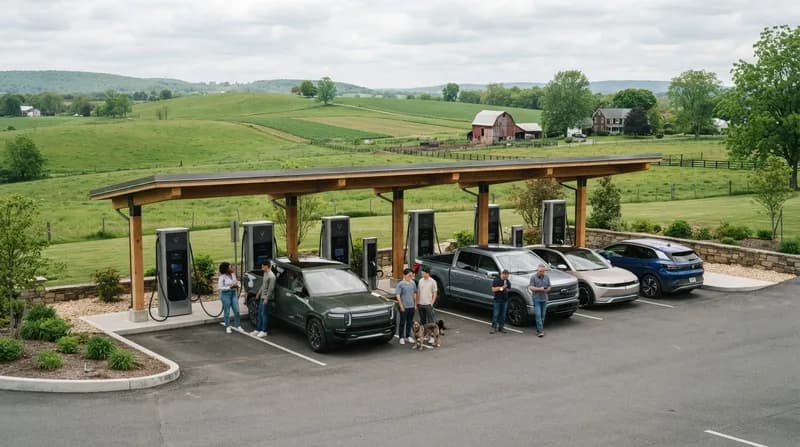
Pennsylvania is taking a significant step forward in its commitment to electric mobility. The Pennsylvania Department of Transportation (PennDOT) has officially announced an $11 million investment earmarked for new electric vehicle (EV) charging infrastructure throughout the state’s Central region. This strategic allocation represents the third phase of a broader initiative, following successful funding rounds in the Southeast and West regions earlier this year. By expanding the reach of accessible charging, the state aims to eliminate "range anxiety" for current EV owners while simultaneously preparing the grid for the anticipated surge in long-term adoption.
This initiative falls under the umbrella of the federal National Electric Vehicle Infrastructure (NEVI) program and is part of the state’s comprehensive Community Charging scheme. The program is designed to move beyond major transit corridors, bringing reliable, high-speed charging options into the heart of local communities where they are most needed. With applications officially open through March 12, 2027, the funding is available for projects spanning 26 specific counties, including areas like Centre, Lycoming, and Blair.
Why It Matters
- Strategic Expansion: By targeting 26 counties in central Pennsylvania, the state is closing the infrastructure gap for rural and semi-urban drivers, ensuring that EV accessibility is not limited to dense metropolitan hubs.
- Proven Impact: Data from existing NEVI-funded stations highlights the necessity of these projects. Since December 2023, the state has recorded over 146,000 successful charging sessions, a usage rate that has effectively prevented more than 3,700 tonnes of CO2 emissions.
- Community Collaboration: PennDOT is facilitating connections between project applicants and industry partners through a dedicated survey, streamlining the path from proposal to operational status.
- Resilience and Growth: Despite past federal funding hurdles and legal battles, Pennsylvania has remained persistent. Currently, 50 charging hubs are already online, with 41 more in active development, showcasing a robust pipeline of future energy capacity.
Strategic Outlook and Implementation
The success of this $11 million rollout relies heavily on local coordination. Rather than applying a one-size-fits-all model, PennDOT has empowered local transportation planning agencies to determine which specific areas within their jurisdictions require prioritized investment. This localized oversight ensures that the chargers are placed in high-traffic or high-utility locations, maximizing the return on investment for both the public and private entities involved.
Looking ahead, the momentum generated by the Shapiro Administration reflects a broader shift in how state governments approach decarbonization. By creating a reliable, transparent network of charging stations, Pennsylvania is positioning itself as a leader in the mid-Atlantic EV landscape. As these 26 counties integrate into the statewide network, the cumulative effect will be a more cohesive, high-speed charging backbone that supports not just the residents of Pennsylvania, but the thousands of interstate travelers relying on clean energy as they traverse the region.