The Shift Toward Autonomous Charging
Tesla is actively working on a specialized evolution of its ubiquitous Supercharger network, specifically designed to support its upcoming Robotaxi fleet. Currently, Tesla's autonomous test vehicles rely on the existing public Supercharger infrastructure. During these early stages, the process requires human oversight, with operators manually plugging in the vehicles—often during overnight charging sessions. However, according to Max de Zegher, who leads Tesla's North American charging division, this manual reliance is merely a stopgap measure.
The long-term vision involves a transition to fully automated charging sites where robotic hardware handles the connection process. While Tesla previously teased concepts of robotic charging arms years ago, the specific mechanics of these future autonomous stations remain under wraps. What is clear, however, is that the company is prioritizing efficiency and scale. These future dedicated stations are planned for locations where land costs are low and demand for autonomous ride-hailing is expected to be high, ensuring that Tesla can manage capital expenditures while maximizing vehicle uptime.
The Role of Wireless Induction
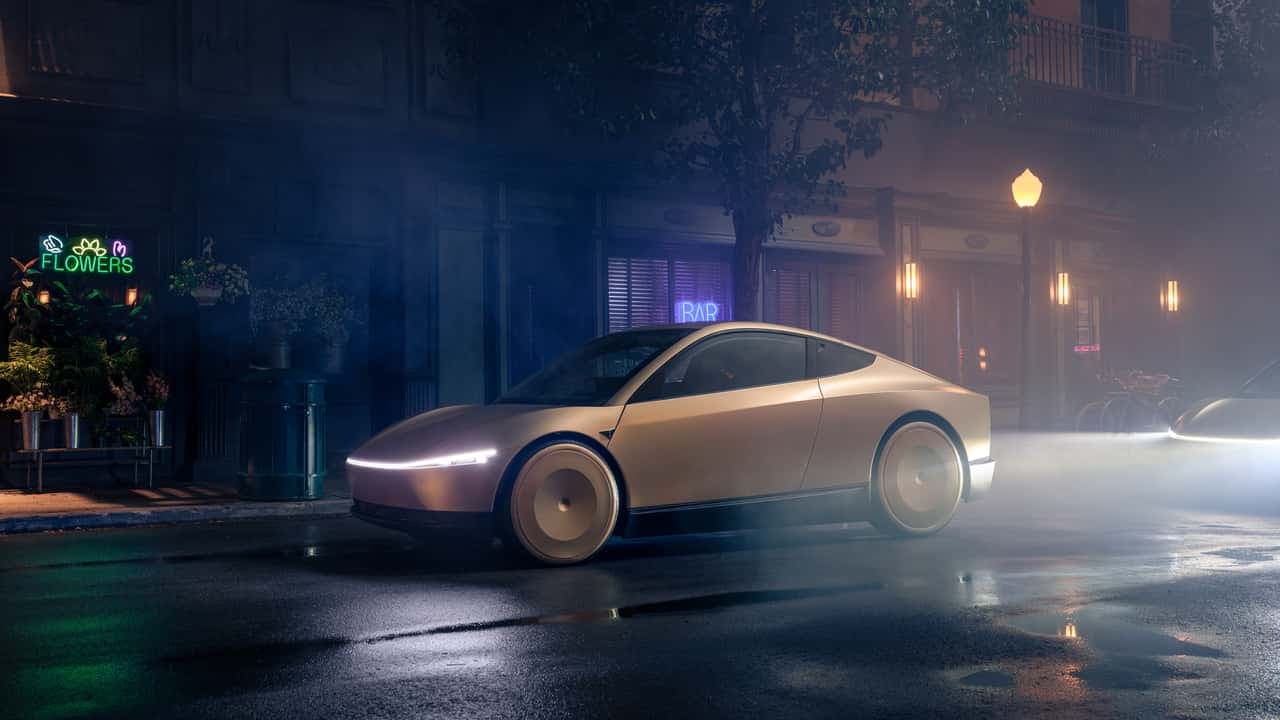
The strategy for charging the dedicated Cybercab model appears to lean heavily into wireless inductive charging. During the initial reveal of the two-door, steering-wheel-less Cybercab, Tesla emphasized that the vehicle was designed exclusively for wireless power transfer. This move is strategic; for a fleet operating without human drivers, wireless charging allows for a seamless, hands-free replenishment cycle where a vehicle can autonomously navigate onto a charging pad between trips without needing to line up perfectly with a heavy cable.
While initial reports indicated that the current wireless charging capability operates at roughly 25 kilowatts—significantly slower than the peak speeds of wired Superchargers—it is well-suited for the Cybercab's hardware profile. Documents submitted to the Environmental Protection Agency suggest the vehicle is equipped with a 48 kilowatt-hour battery. With this capacity, a two-hour session on an induction pad should theoretically return a full charge, providing enough range for typical urban taxi operations.
Why It Matters
- Operational Efficiency: Eliminating the need for human operators to plug in vehicles is essential for scaling an autonomous ride-hailing business to profitability.
- Infrastructure Optimization: By focusing on high-demand, low-cost real estate, Tesla aims to make Robotaxi charging a cost-effective utility rather than a logistical burden.
- The Wireless Standard: Moving toward inductive charging could set a new industry precedent for how autonomous fleets manage their energy cycles in urban environments.
Until these specialized autonomous sites are fully operational, Tesla continues to integrate its driverless fleet into the public charging network. The company is currently utilizing its sophisticated 'Trip Planner' software to intelligently dispatch robotaxis to available chargers, ensuring that vehicles with human passengers receive priority access. As the fleet expands, the goal remains to transform these units into a seamless, self-sustaining loop of service that requires minimal human contact, bridging the gap between today’s manual reality and a fully automated future.