ScienceTechnical Deep Dive

Sparkling Water vs. Soda: New Study Examines Impact on Dental Health

Published
EElectricBuzz Editorial Team
Sparkling Water vs. Soda: New Study Examines Impact on Dental Health
1 min read137 wordsElectricBuzz Editorial Team

The Gist

“A preliminary study suggests that unsweetened sparkling water is significantly safer for tooth enamel than sugary sodas, maintaining mouth acidity at safe levels.”

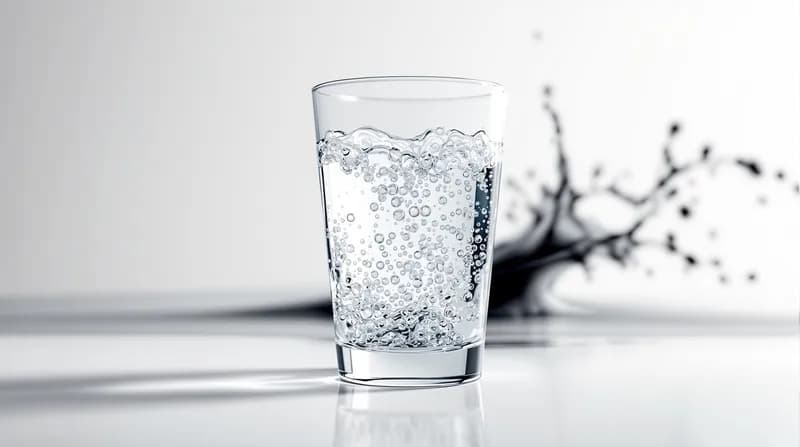
New research into dental health provides a clearer picture of how carbonated beverages affect mouth acidity and tooth enamel. A small preliminary study tracked salivary pH levels after the consumption of various drinks to determine the risk of erosion.

Acidity and Enamel Protection

The study found that while sugary sodas caused a deep and prolonged drop in salivary pH, unsweetened sparkling water resulted in only a minor, temporary decline. Crucially, the acidity levels following the consumption of sparkling water remained above the critical threshold associated with permanent enamel damage.

Saliva played a vital role in the process, quickly restoring the mouth to normal conditions after sparkling water was consumed. This suggests that for those looking to transition away from sugary soft drinks, unsweetened carbonated water serves as a tooth-friendly alternative that minimizes the risk of dental erosion.

SPONSORED
The 5 Best Over-Ear ANC Headphones of 2026, Tested & Ranked
Editor's Pick Guide
92/100
Tech & Gadgets•12 min read

The 5 Best Over-Ear ANC Headphones of 2026, Tested & Ranked

We locked five over-ear ANC picks for 2026 — Sony WH-1000XM6, Bose QuietComfort Ultra 2, Soundcore Space One, Sennheiser Momentum 5, and Apple AirPods Max 2 — then stress-tested them on lab metrics, long-term owner truth, and live street prices.

Related Stories

Semantically matched articles, ranked by topic overlap and freshness.

A Gentle Touch: Scientists Discover Radical New Way to Revive Dying Coral
Science

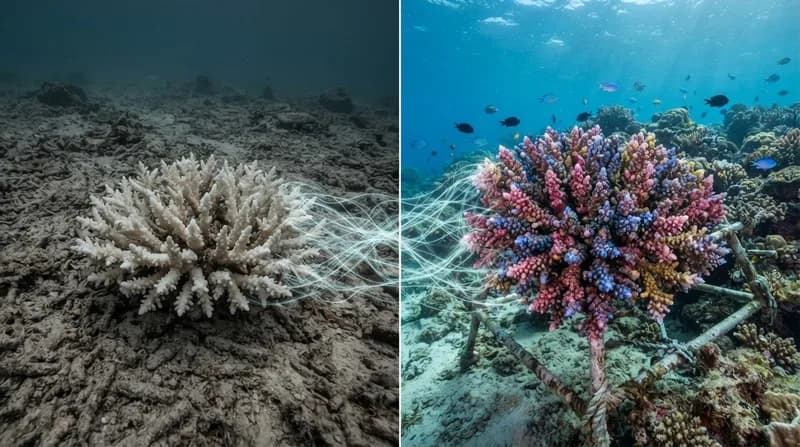
A Gentle Touch: Scientists Discover Radical New Way to Revive Dying Coral

New research from the Stanford Doerr School of Sustainability reveals that bleached corals can fully recover in just seven weeks through physical contact with healthy, genetically identical clones.

Cosmic Chameleon: Astronomers Identify the First Known Green Star
Science

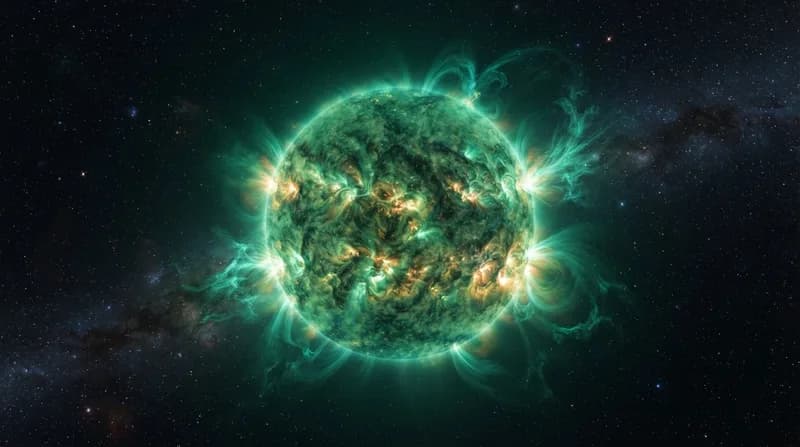
Cosmic Chameleon: Astronomers Identify the First Known Green Star

New research from the University of Warwick reveals that dead stars can glow in an impossible spectrum of colors, including a rare, ghostly green.

Breakthrough Discovery Reveals Immune Pathway Behind Radiation-Induced Lung Damage
Science

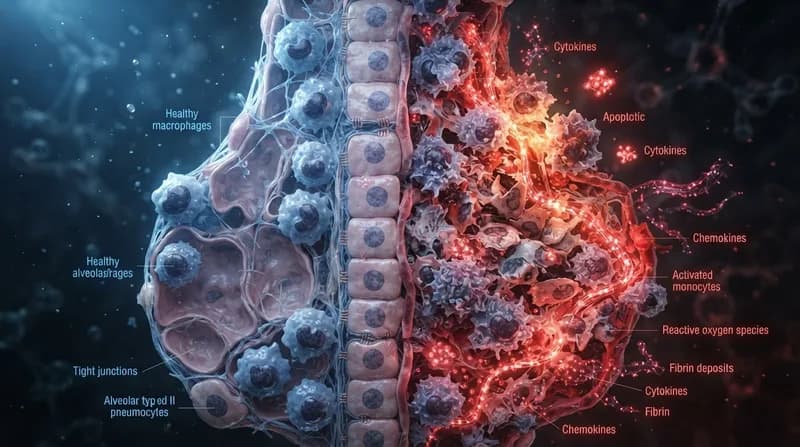
Breakthrough Discovery Reveals Immune Pathway Behind Radiation-Induced Lung Damage

Researchers at City of Hope have identified a specific immune signaling protein that converts protective cells into agents of inflammation, opening the door for new preventative lung therapies.

A Medical Breakthrough: Fatty Liver Disease Redefined as Five Distinct Conditions
Science

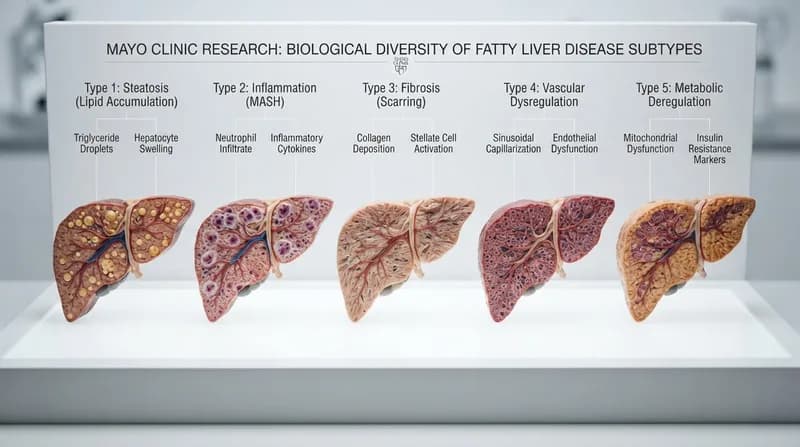
A Medical Breakthrough: Fatty Liver Disease Redefined as Five Distinct Conditions

New research from the Mayo Clinic reveals that metabolic dysfunction-associated steatotic liver disease is not a single illness, but a complex spectrum of five unique biological subtypes.

New Genetic 'Control Dial' Could Revolutionize Cell-Based Medicine
Science

New Genetic 'Control Dial' Could Revolutionize Cell-Based Medicine

Researchers have developed a groundbreaking gene-editing platform that allows doctors to precisely manage therapeutic T cells using existing, hospital-ready immunosuppressive medications.

Sonic Healing: Researchers Use Targeted Ultrasound to Treat Schizophrenia Symptoms
Science

Sonic Healing: Researchers Use Targeted Ultrasound to Treat Schizophrenia Symptoms

A groundbreaking study from NYU Langone Health reveals that non-invasive, focused ultrasound waves may effectively reduce delusions in patients with schizophrenia.

Biological Breakdown: The Hidden Cause of Persistent Post-COVID Taste Loss
Science

Biological Breakdown: The Hidden Cause of Persistent Post-COVID Taste Loss

New research identifies specific molecular and structural defects in taste buds that prevent flavor perception long after a COVID-19 infection has cleared.

Gamified Smartphone Apps Could Predict Alcohol Relapse Before It Happens
Science

Gamified Smartphone Apps Could Predict Alcohol Relapse Before It Happens

A groundbreaking year-long study reveals that shifts in specific decision-making behaviors precede increased alcohol consumption, paving the way for proactive mental health interventions.