The Challenge of Collateral Damage
For the approximately 230,000 Americans diagnosed with lung cancer annually, radiation therapy is a cornerstone of life-saving treatment. However, the procedure comes with a significant trade-off: up to 70% of these patients undergo radiation, and a substantial portion experience lasting damage to healthy pulmonary tissue. For nearly 20% of those treated, this leads to chronic respiratory issues so severe that some are forced to rely on supplemental oxygen, fundamentally altering their quality of life. Understanding why this healthy tissue degrades has long been a "holy grail" for oncology researchers.
The Role of Innate Lymphoid Cells
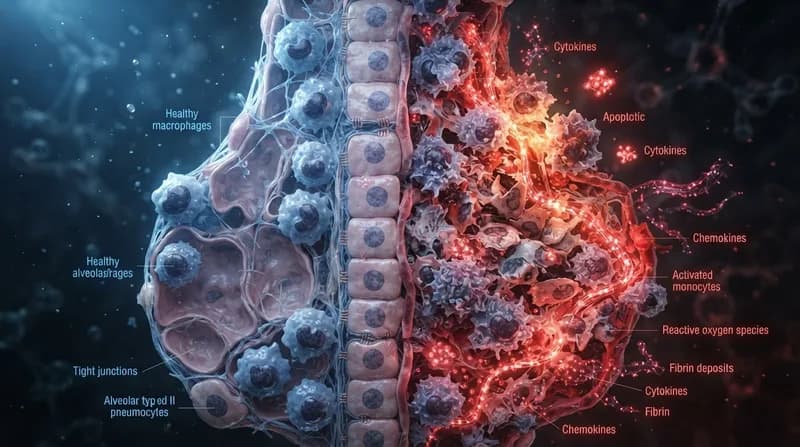
A new preclinical study from the City of Hope, published in the journal Nature Communications, has uncovered a previously hidden culprit in this process: the reprogramming of innate lymphoid cells (ILCs). While much of current oncology research focuses on how radiation activates T cells to target tumors, this research team shifted its focus to these rare, specialized immune cells. They discovered that radiation doesn't just kill cells; it fundamentally alters the identity of the immune system's pulmonary guardians.
Specifically, the study observed that radiation acts as a catalyst for a damaging transition within the lungs. Under normal conditions, a subtype known as ILC2s serves a protective role, helping to maintain lung health. However, exposure to radiation triggers a "team-switching" effect, where these protective ILC2s are converted into inflammatory ILC1 cells. This transformation essentially turns the body's own defense system against the healthy lung tissue, fueling the inflammation and subsequent fibrosis—or permanent scarring—that leads to debilitating long-term breathing complications.
The IFN-Beta Switch
The research team successfully pinpointed the trigger for this detrimental transformation: a signaling protein known as interferon-beta (IFN-beta). By tracking the cellular response to radiation, the scientists determined that radiation exposure leads to increased levels of IFN-beta within the lung environment. This protein acts as the molecular switch that forces the protective ILC2 cells to adopt the inflammatory identity of ILC1s.
To validate the impact of this pathway, the researchers developed a mouse model of radiation-induced lung injury. They found that by intentionally disrupting the IFN-beta signaling pathway during the radiation process, they could effectively halt the conversion of these immune cells. The results were significant: inflammation was substantially reduced, lung injury was mitigated, and the development of permanent, scarring fibrosis was effectively curtailed.
Why it Matters
- Patient Quality of Life: By preventing permanent scarring, patients may avoid the chronic, long-term respiratory failure that currently affects up to 20% of radiation patients.
- Treatment Flexibility: Reducing collateral damage could allow physicians to employ more aggressive radiation protocols without the same level of fear regarding permanent healthy tissue injury.
- Broader Applications: This therapy could eventually open the door for radiation treatments in patients with pre-existing conditions like COPD, who are often considered poor candidates for aggressive therapy due to high risks of lung damage.
Future Outlook
While the study utilized mouse models, the initial tests on human ILCs showed identical biological responses, suggesting that the pathway is highly conserved and a viable target for human clinical interventions. If the researchers can successfully translate this strategy into a therapeutic drug or treatment protocol, it could represent a massive shift in how we approach radiation oncology. By neutralizing the inflammatory side effects of the treatment, the medical community may soon be able to prioritize tumor destruction while leaving the patient's breathing capacity entirely intact.