The Paradigm Shift in Liver Health
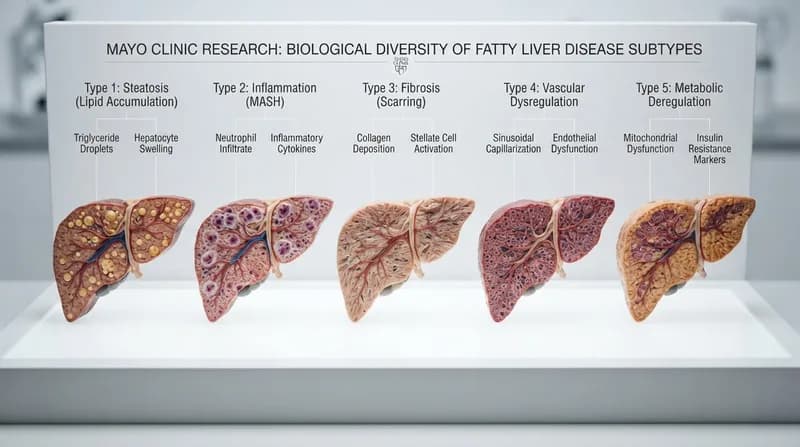
For decades, metabolic dysfunction-associated steatotic liver disease (MASLD)—the condition formerly known as nonalcoholic fatty liver disease—has been treated as a monolithic health challenge. Affecting nearly 30% of the global adult population, it was largely categorized by fat accumulation in the liver, often linked to lifestyle factors like obesity or diabetes. However, groundbreaking research from the Mayo Clinic and Virginia Tech, published in Nature Communications, has fundamentally upended this understanding. By leveraging massive clinical datasets and genetic sequencing, scientists have identified that MASLD is actually composed of five distinct biological subtypes, each with unique origins, risk profiles, and trajectories.
This discovery marks a significant leap forward in precision medicine. By differentiating these subtypes, researchers are moving away from a one-size-fits-all diagnostic approach, paving the way for targeted screenings and personalized treatment plans that could prevent severe complications like cirrhosis, liver cancer, and organ failure before they become irreversible.
The Methodology: Mining Genomic Data
The discovery was made possible by utilizing the Mayo Clinic’s Research Data Atlas, a sophisticated platform that correlates longitudinal medical records with high-density genetic data. The research team analyzed information from over 4,600 patients, examining liver enzyme markers, body mass index, and lipid profiles, alongside comorbid conditions like sleep apnea and depression. By running these clinical datasets through advanced computational models, the team identified clustering patterns that grouped patients based on their underlying biological signatures rather than superficial symptoms.
Crucially, the study incorporated exome data—the portion of DNA responsible for protein synthesis. This revealed that some forms of the disease are driven primarily by inherited genetic variations rather than metabolic choices. These genetically predisposed patients are often at a higher risk of advanced liver damage, even in the absence of traditional metabolic risk factors. This finding is critical, as it identifies a vulnerable population that may currently be slipping through the cracks of standard medical screening protocols.
Why It Matters: Implications for Patient Care
- Early Intervention: Identifying specific genetic subtypes allows physicians to flag high-risk individuals long before they present with overt symptoms.
- Systemic Connections: The study uncovered surprising correlations between specific liver disease subtypes and broader health issues, including depression, migraines, and sleep apnea, suggesting a deeper systemic biological connection.
- Tailored Therapeutics: Clinicians may soon be able to match patients with the most effective interventions, potentially including newer classes of medication like GLP-1 receptor agonists, based on their specific disease architecture.
- Precision Diagnostics: Moving beyond a blanket diagnosis enables a more nuanced clinical assessment of who requires aggressive monitoring versus routine care.
The Future of Personalized Liver Medicine
The potential for clinical impact is profound. By redefining MASLD through a precise biological lens, the healthcare community can shift from reactive management to proactive intervention. The research team is now working to validate these findings in larger, more diverse cohorts to ensure that these classifications remain robust across different populations. Furthermore, future investigations will look at whether these specific subtypes exhibit varying responses to existing treatments, such as diabetes and obesity medications. If validated, this model of individualized diagnosis could serve as a blueprint for identifying and managing other complex, multifaceted chronic conditions, signaling a new era for personalized health outcomes.