Unmasking the Mechanism of Taste Dysfunction
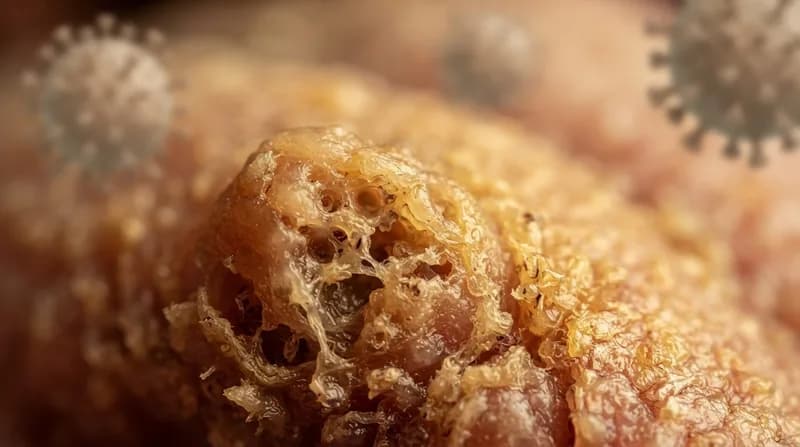
For millions worldwide, the recovery from COVID-19 was not a full return to normalcy. A subset of patients has continued to report a diminished sense of taste more than a year after their initial infection. Now, a groundbreaking study published in the journal Chemical Senses provides the first concrete biological evidence of why this phenomenon persists, revealing a dual-threat mechanism involving both molecular signaling failures and structural degradation within the tongue's taste buds.
Researchers from the University of Colorado Anschutz, alongside collaborators in Sweden, conducted a deep dive into the physiology of 28 individuals suffering from persistent taste disturbances. By isolating tissue samples from the participants, the team discovered that the issue is not merely neurological or psychological, but rooted in the fundamental architecture of the tongue's sensory organs.
The Molecular Amplifier Failure
The core of the discovery lies in a protein known as PLCβ2. In a healthy human, this protein serves as a vital 'molecular amplifier' for specific taste pathways. When the tongue detects sweet, bitter, or umami flavors, PLCβ2 works to strengthen these signals before they are transmitted to the brain. The researchers found that in post-COVID patients with long-term taste loss, there is a significant reduction in the mRNA responsible for producing this specific protein.
Because the body lacks sufficient levels of PLCβ2, the signals triggered by these specific flavors are too weak to register correctly, resulting in a muted or absent taste experience. Notably, this explains why salty and sour sensations remain largely unaffected in many patients; those specific taste modalities utilize entirely different signaling mechanisms that do not rely on the compromised protein. This specificity provides a clear roadmap for potential future clinical interventions.
Why it Matters: The Architectural Component
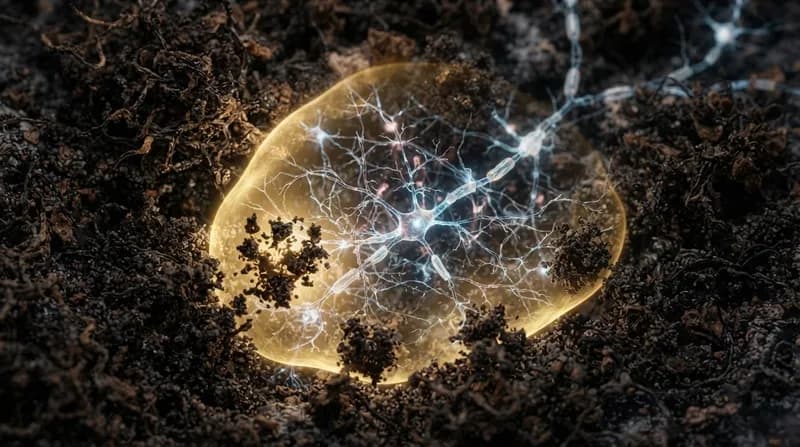
Beyond the molecular defects, the study highlighted a physical issue that complicates recovery: the structural disorganization of taste cells. Even though the human body is remarkably efficient at regenerating taste buds—replacing them every two to four weeks—the researchers observed that for some individuals, these new cells failed to form correctly or maintain their necessary, organized layout.
- Molecular Deficiency: Reduced levels of PLCβ2 protein hamper the amplification of sweet, bitter, and umami taste signals.
- Structural Damage: Microscopic analysis revealed physical disorganization within the taste buds themselves, hindering normal function.
- Selective Loss: The study explains why some flavors disappear while others (like salty and sour) remain, due to distinct biochemical pathways.
- Long-term Persistence: The findings suggest that cellular turnover processes are insufficient to correct these specific lingering defects in some patients.
Outlook and Future Implications
The discovery of this biological signature is a significant step forward, moving the conversation around long COVID symptoms from subjective reporting to measurable clinical data. While the current research does not immediately offer a cure, it changes the approach for clinicians. By identifying that the problem is localized to specific protein expression and cellular organization, future therapies could potentially focus on targeted treatments to boost PLCβ2 production or stimulate the healthy regeneration of taste bud structures.
As scientists look ahead, the next phase of research will focus on whether these molecular abnormalities are truly permanent or if they possess the capacity to reset. Understanding if these pathways can be pharmacologically or biologically triggered back into their natural state remains the ultimate goal for restoring sensory function to those who have struggled for years.