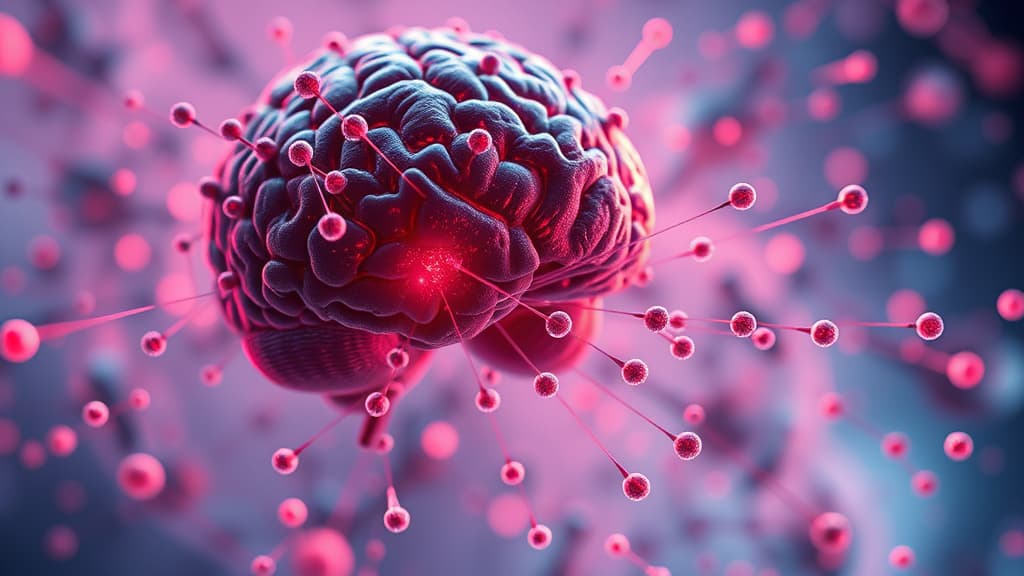
Researchers from the University of Technology Sydney have unveiled a dual-function nanoparticle platform designed to illuminate and eradicate glioblastoma cells. This groundbreaking approach demonstrated remarkable results in mouse trials, achieving 100% survival at 60 days post-surgery, significantly surpassing the outcomes of traditional surgical techniques.
Key Points
- The nanoparticle platform acts as an imaging agent during surgery and a phototherapy treatment afterward, specifically targeting glioblastoma cells that are notoriously difficult to excise.
- These nanoparticles are capable of identifying tumor cell clusters as small as 44 micrometers during surgical procedures, exceeding the resolution of current imaging technologies.
- Post-operation, the nanoparticles convert hydrogen peroxide produced by tumor cells into oxygen, alleviating a low-oxygen environment that typically enables cancer cells to evade standard treatments.
- Every mouse treated with the nanoparticles in clinical trials remained alive at 60 days, in stark contrast to the average survival of 42 days for those who underwent sole surgical intervention.
- Despite these promising outcomes, it is important to note that the technology is still in the early stages of research, and successful applications in human patients have yet to be conducted.
Implications
This innovative nanoparticle platform could revolutionize glioblastoma treatment, particularly in improving surgical precision and post-operative therapies. However, further research and clinical trials involving human subjects are essential to validate these findings and satisfy regulatory standards.
For more information, you can access the full article here.