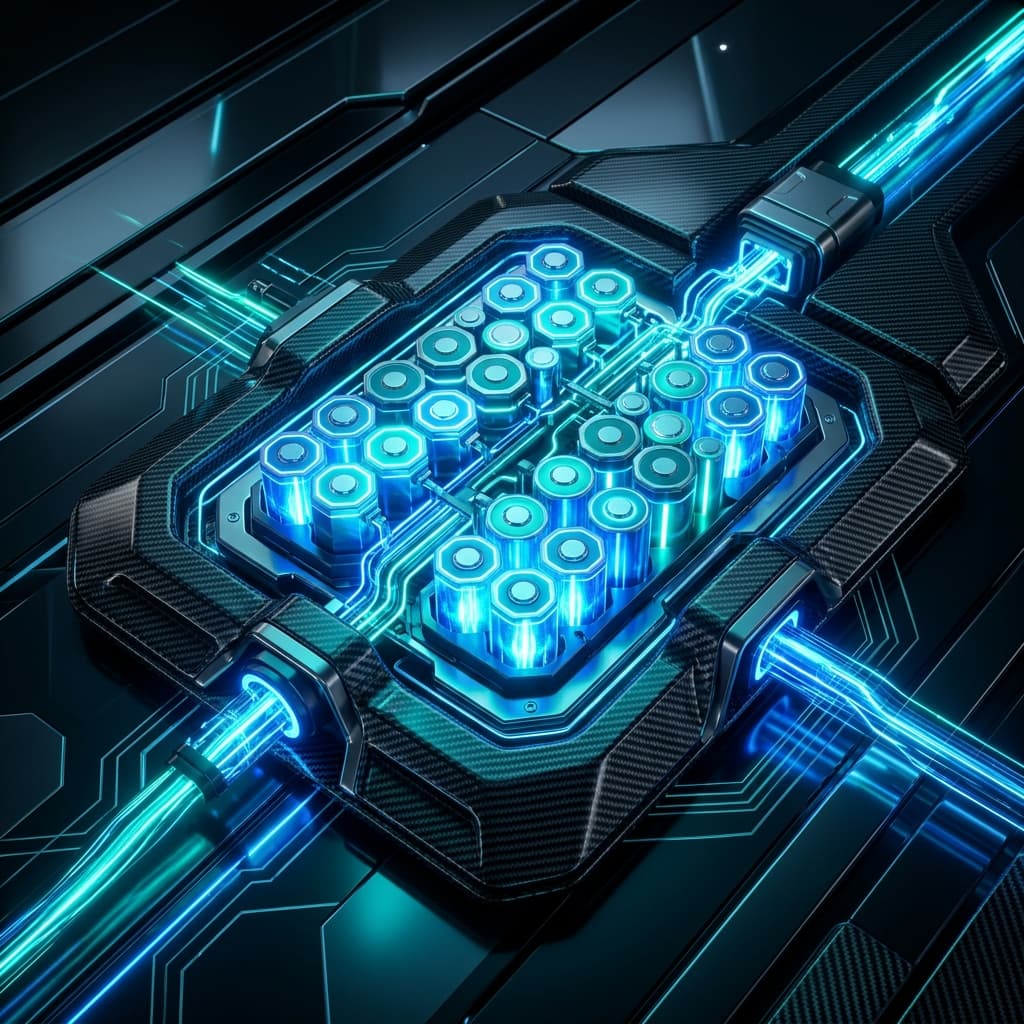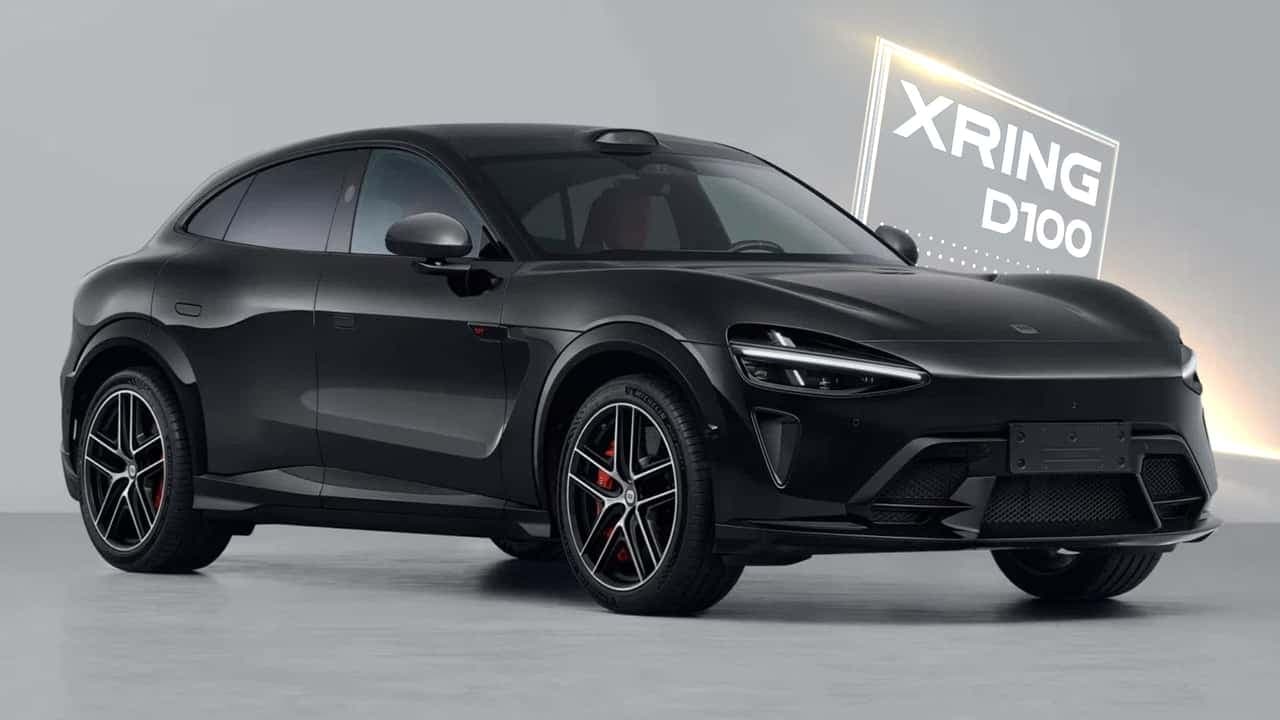
Xiaomi has officially launched its inaugural in-house chips, marking a significant strategic shift in its approach to electric vehicle technology. Among these is the Xring D100, designed specifically for artificial intelligence (AI) applications and advanced driver-assistance systems (ADAS). This move aims to decrease the company's reliance on American chip suppliers, particularly Nvidia, amidst rising tensions and trade restrictions.
Key Features of the Xring D100
- Performance: The D100 chip boasts a powerful 20-core CPU and a 16-core Neural Processing Unit (NPU), providing enhanced processing capabilities crucial for intelligent driving features.
- Manufacturing Process: Produced using a cutting-edge 3-nanometer technology, the chip supports up to 160 gigabytes of unified memory. This is vital for managing complex AI algorithms effectively.
- Investment: Xiaomi has poured over $3 billion into the development of its silicon technology, underscoring its importance for future autonomy in chip manufacturing and technological integration.
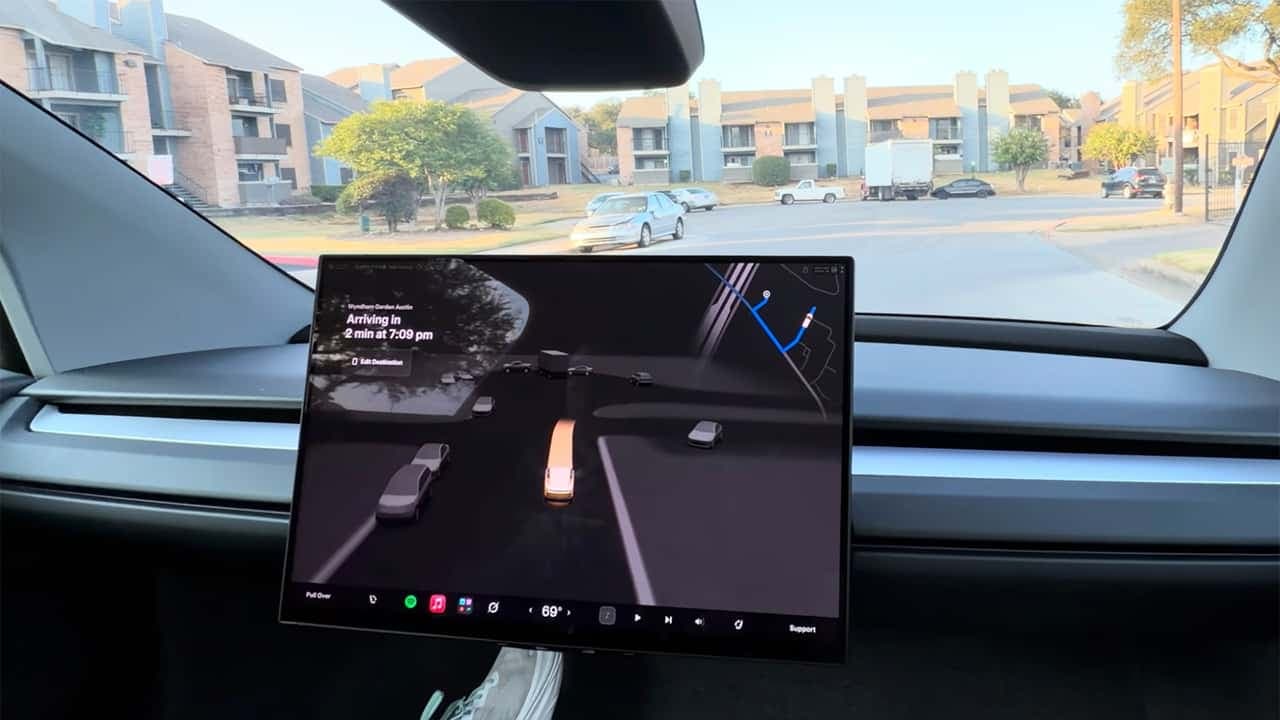
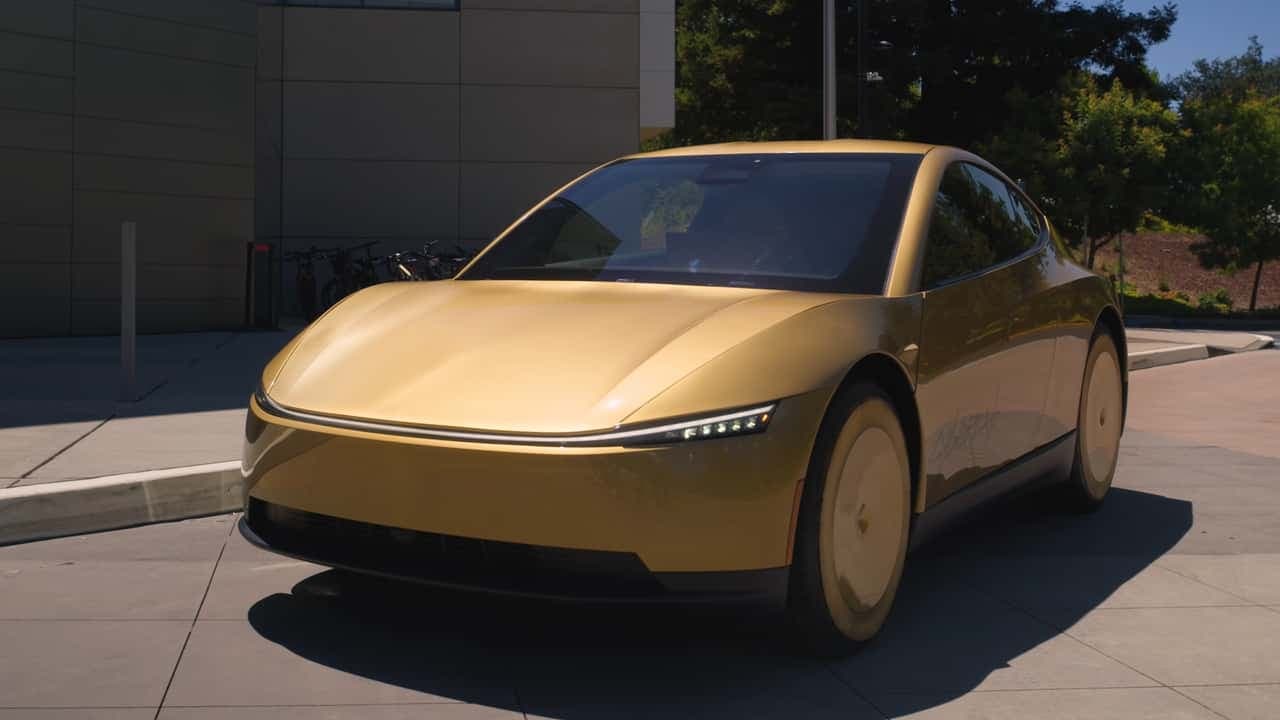
- Competitive Landscape: Notably, competitors like Tesla and Rivian have already implemented their custom chips. Tesla’s Hardware 4 provides 16GB of memory on a 7nm process, while Rivian is following suit with its own advanced chip for the R2 vehicle.
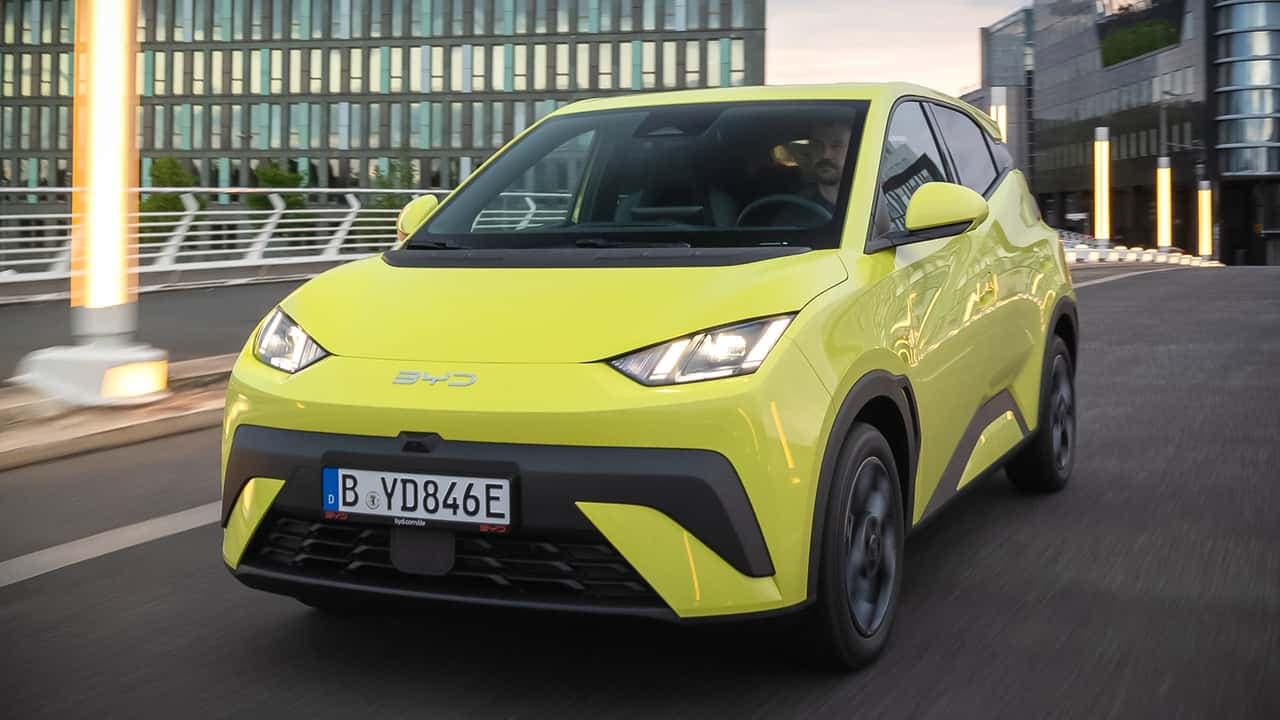
- Industry Trends: This announcement aligns with a broader trend where other Chinese automakers, such as BYD and Nio, are shifting towards self-produced semiconductor solutions, particularly in light of rising AI chip prices and export constraints.
This initiative not only positions Xiaomi as a formidable player in the EV sector but also reflects a significant trend in the automotive industry towards greater self-sufficiency in technology. As more companies develop in-house solutions, the landscape of electric vehicles is set for transformative changes, driven by advancements in AI and computing power.