The 250,000-Mile Milestone
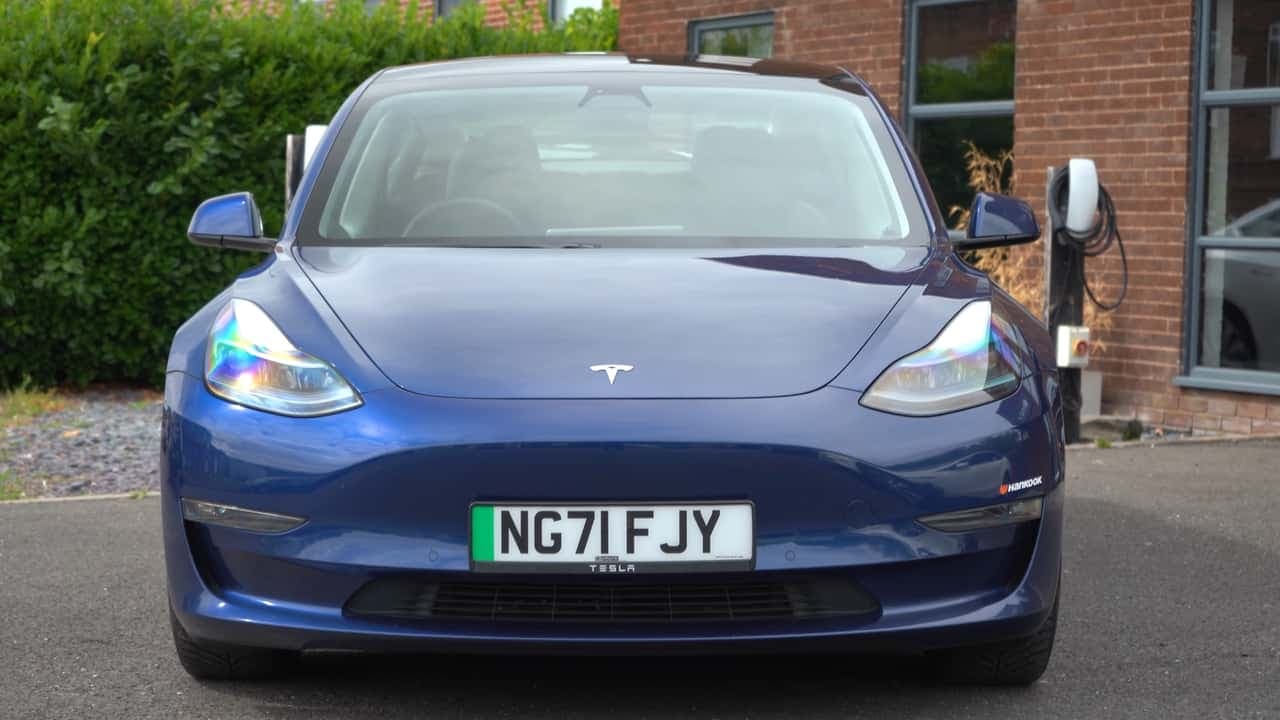
The debate surrounding long-term electric vehicle reliability has reached a new turning point. A 2021 Tesla Model 3 Long Range, formerly utilized as a high-utilization taxi, has officially eclipsed the 250,000-mile mark. What makes this achievement particularly compelling is the state of the vehicle's core technology; it retains its original battery pack and electric motors, challenging common preconceptions about the longevity of lithium-ion systems in high-intensity service environments.
Acquired by Richard Symons, proprietor of a prominent used-Tesla dealership in the United Kingdom, the vehicle served as a real-world stress test for EV endurance. Over its life, the car covered roughly 150 miles daily, moving through intensive cycles that would typically wear down a combustion-engine vehicle. Yet, the maintenance log remains remarkably thin, dominated by consumables rather than catastrophic mechanical failures.
Mechanical Integrity and Maintenance Realities
The findings provide a clear window into the simplified maintenance profile of electric mobility. Beyond standard wear items such as six sets of tires, various suspension bushings, and wiper blades, the vehicle required almost no remedial intervention. Interestingly, the car remains fitted with its original brake rotors, pads, and factory-fill fluids, a testament to the effectiveness of regenerative braking in preserving traditional friction-based stopping systems.
The only documented failure during the quarter-million-mile journey was the exterior pedestrian warning speaker, which required replacement. Beyond that, the owner opted for an aftermarket upgrade to the rear shock absorbers solely to improve comfort, noting that the original components remained functional even after such extensive use. This lack of complexity is a core differentiator for the EV platform, significantly reducing the probability of the mid-life system failures often seen in high-mileage internal combustion engine (ICE) vehicles.
Key Performance Metrics
- Total Mileage: 250,000 miles
- Battery Capacity Retention: 84% of original capacity
- Real-World Range: Approximately 284 miles in temperate conditions
- Efficiency: 4.15 miles per kilowatt-hour
- Performance: Capable of a 0-60 mph sprint in 3.8 seconds
Implications for the EV Market
The capacity retention of 84% at 250,000 miles serves as a vital data point for the secondary EV market. As more vehicles reach these high mileage totals, consumer confidence is likely to shift toward the long-term viability of used electric cars. The ability to add 85 miles of range during an 11-minute Supercharger session suggests that the vehicle’s charging infrastructure compatibility and thermal management systems have aged gracefully, avoiding the performance degradation that many critics once feared.
While this specific Model 3 operates as a compelling case study, it aligns with broader industry trends showing that modern battery chemistries are reaching unprecedented levels of stability. As battery failure rates for packs produced after 2022 continue to drop—hovering near 0.3%—the narrative surrounding EVs is transitioning from "early-adopter risk" to "long-term asset reliability." For prospective owners, the takeaway is clear: when the powertrain is stripped of the thousands of moving parts found in a traditional engine, the road to 250,000 miles is significantly less expensive and less prone to the unexpected.