ScienceTechnical Deep Dive

Predictable Antarctic Ice Loss Offers Decades for Sea Level Preparation

Published
EElectricBuzz Editorial Team
Predictable Antarctic Ice Loss Offers Decades for Sea Level Preparation
1 min read152 wordsElectricBuzz Editorial Team

The Gist

“New research suggests that Antarctic ice retreat may remain predictable through 2050, giving governments a critical window to implement coastal defenses.”

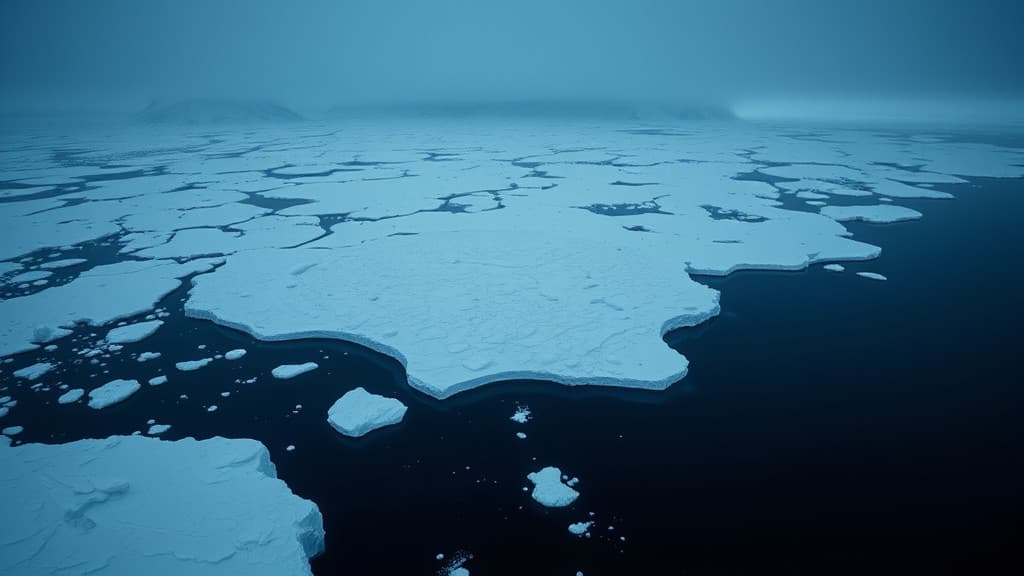
Scientists have identified a crucial window of predictability regarding the Antarctic ice sheet that could prove vital for global climate adaptation strategies. According to recent findings, the rate of ice loss in Antarctica can likely be forecasted with high reliability through the middle of this century.

A Vital Head Start

This predictability offers governments and urban planners a strategic advantage, providing a clear timeline to prepare for rising sea levels. By having a reliable outlook for the next few decades, coastal regions can better allocate resources for infrastructure reinforcements and flood mitigation efforts.

The Long-Term Challenge

However, the forecast becomes significantly more complex after 2050. Researchers warn that following this period of relative predictability, unstable ice retreat could accelerate dramatically. This potential shift toward rapid, erratic melting would make the long-term future of global sea levels much harder to predict, emphasizing the importance of utilizing the current window of opportunity to act.


SPONSORED
The 5 Best Over-Ear ANC Headphones of 2026, Tested & Ranked
Editor's Pick Guide
92/100
Tech & Gadgets•12 min read

The 5 Best Over-Ear ANC Headphones of 2026, Tested & Ranked

We locked five over-ear ANC picks for 2026 — Sony WH-1000XM6, Bose QuietComfort Ultra 2, Soundcore Space One, Sennheiser Momentum 5, and Apple AirPods Max 2 — then stress-tested them on lab metrics, long-term owner truth, and live street prices.

Related Stories

Semantically matched articles, ranked by topic overlap and freshness.

Natural Synergy: Omega-3 and Aspirin Show Promise as Antibiotic Alternative for Gum Disease
Science

Natural Synergy: Omega-3 and Aspirin Show Promise as Antibiotic Alternative for Gum Disease

A year-long clinical trial reveals that a simple daily regimen of omega-3 and low-dose aspirin can match the efficacy of antibiotics in treating severe periodontitis.

Scientists Engineer 'Invisible Pipes' Using Acoustic Levitation
Science

Scientists Engineer 'Invisible Pipes' Using Acoustic Levitation

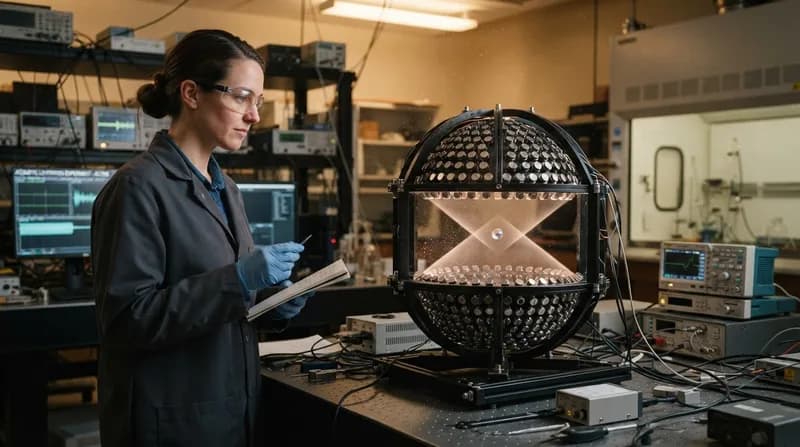
Researchers have developed a groundbreaking method to transport liquids and gases through mid-air using programmable ultrasonic sound waves, effectively creating an invisible conduit.

Quantum Precision: DNA Nanotechnology Opens New Frontiers in Bioimaging
Science

Quantum Precision: DNA Nanotechnology Opens New Frontiers in Bioimaging

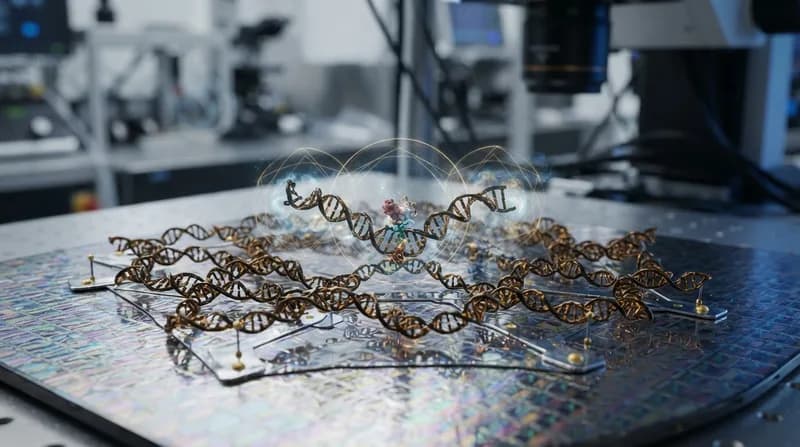
Researchers at the Technical University of Munich have pioneered a DNA-based quantum sensor that uses spin chemistry to detect and potentially control biological processes at the molecular level.

Stanford AI Breakthrough Uncovers Three Hidden Biological 'Biotypes' for ADHD and Anxiety
Science

Stanford AI Breakthrough Uncovers Three Hidden Biological 'Biotypes' for ADHD and Anxiety

Researchers have utilized deep learning to identify three distinct brain connectivity patterns that redefine how we understand and diagnose childhood ADHD and anxiety.

Robotic Knee Surgery Trial Reveals Precision Doesn't Equal Faster Recovery
Science

Robotic Knee Surgery Trial Reveals Precision Doesn't Equal Faster Recovery

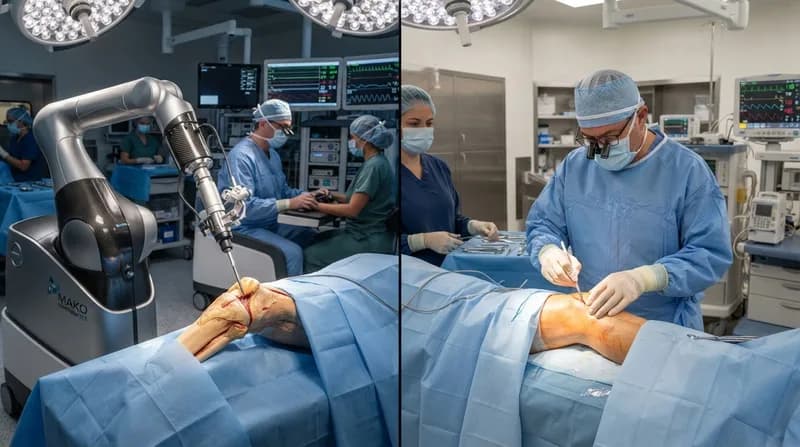
A landmark clinical study has found that while robot-assisted knee surgery offers superior technical precision, it fails to improve patient recovery outcomes compared to traditional methods.

Deep-Sea Discovery: Mysterious Brine Pools Found Beneath the Red Sea
Science

Deep-Sea Discovery: Mysterious Brine Pools Found Beneath the Red Sea

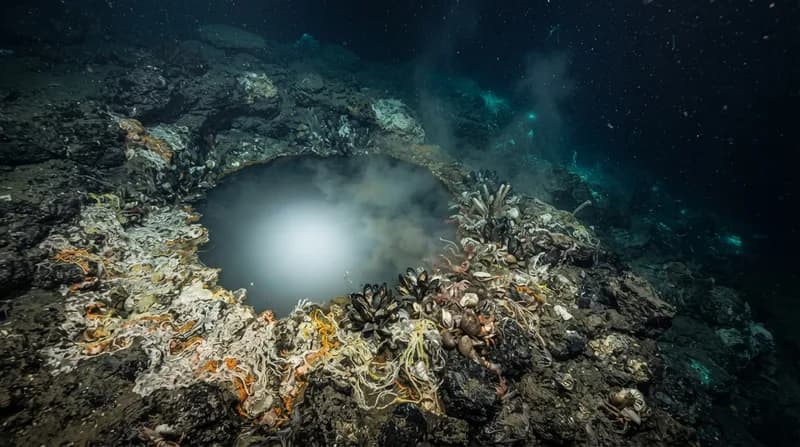
Researchers have uncovered rare, oxygen-free underwater lakes over a mile beneath the Red Sea, offering new insights into the limits of life on Earth and the search for extraterrestrial organisms.

BrainBots: Caltech’s Light-Activated Nanorobots Breach the Blood-Brain Barrier
Science

BrainBots: Caltech’s Light-Activated Nanorobots Breach the Blood-Brain Barrier

Researchers have engineered tiny, light-propelled nanobots capable of ferrying chemotherapy drugs directly across the body's most stubborn biological shield.

Euclid’s Cosmic Pivot: Dark Matter Telescope Spots Mysterious New Comet
Science

Euclid’s Cosmic Pivot: Dark Matter Telescope Spots Mysterious New Comet

Designed to map the dark universe, the European Space Agency’s Euclid telescope has defied its programming by identifying an icy wanderer from the outer solar system.