The Rise of Non-Antibiotic Periodontal Therapy
For millions suffering from severe periodontitis, the path to recovery has historically involved deep dental cleaning paired with aggressive antibiotic courses. However, as global concerns regarding antibiotic resistance escalate, researchers are hunting for effective alternatives that can manage chronic inflammation without over-relying on standard medication. A breakthrough study recently published in the Journal of Periodontology suggests that a combination of omega-3 fatty acids and low-dose aspirin may be the solution clinicians have been searching for.
This multicenter trial, involving institutions such as the Albert Einstein Israelite Hospital and Harvard University, followed 109 patients over the course of a year. The results indicate that this supplement-based approach is not just a secondary option—it performed with nearly identical efficacy to conventional antibiotic protocols, offering a new pathway for patients who struggle with antibiotic intolerance or the risks associated with long-term drug use.
Understanding the Mechanism: Resolving Inflammation
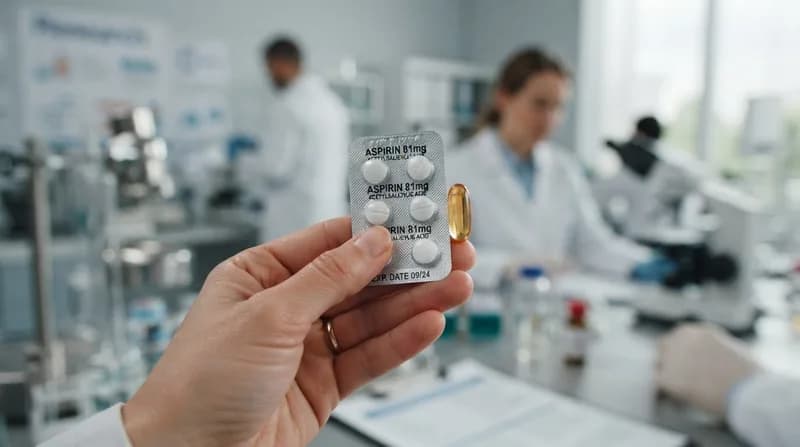
The innovation behind this treatment lies in how it influences the body’s natural immune response. Rather than acting as a blunt instrument to kill bacteria like antibiotics, omega-3 fatty acids provide the biological building blocks required for the body to synthesize inflammation-resolving molecules. When paired with a low-dose daily aspirin, which stimulates the production of these specific molecules, the body becomes more efficient at concluding an immune response and initiating tissue repair.
This shift from 'fighting' inflammation to 'resolving' it is a fundamental change in how dentists might approach periodontal pockets. These deep spaces between gums and teeth are notorious for harboring bacteria that trigger chronic damage. By modulating the patient’s own inflammatory pathways, the omega-3 and aspirin regimen helped the body stabilize these pockets, achieving a clinical success rate of 57.7%, remarkably close to the 58% success rate observed in patients treated with standard antibiotics like metronidazole and amoxicillin.
Why it Matters
- Combating Resistance: By reducing the reliance on metronidazole and amoxicillin, this approach helps preserve the efficacy of essential antibiotics for when they are truly indispensable.
- Lasting Impact: Clinical improvements were documented to persist for at least six months after the treatment regimen ended, suggesting a long-term benefit to the patient's oral health.
- Accessibility: Omega-3 and low-dose aspirin are widely available, cost-effective, and familiar, potentially lowering the barrier to care for patients globally.
- Safety Profile: This provides a safer alternative for patients with specific antibiotic allergies or those who experience adverse effects from standard pharmacological treatments.
The Path Toward Clinical Integration
While the findings are undeniably promising, the medical community maintains a stance of cautious optimism. Researchers involved in the study emphasize that this regimen serves as an adjunct to—not a replacement for—professional subgingival instrumentation. Regular dental cleaning remains the baseline for managing bacterial deposits.
Furthermore, because aspirin carries risks such as increased bleeding, it is not a 'one-size-fits-all' remedy. The study participants were carefully vetted to exclude those with other significant systemic diseases, meaning that larger, more diverse clinical trials are required before this protocol can be established as a standard of care. Future research is currently underway to analyze how these treatments alter the actual microbiome of the periodontal pockets, providing a deeper look at why this combination effectively clears harmful bacteria while promoting a healthier oral environment.