ScienceTechnical Deep Dive

Potatoes may have given Indigenous Andeans a digestive superpower

Published
EElectricBuzz Editorial Team
Potatoes may have given Indigenous Andeans a digestive superpower
1 min read95 wordsElectricBuzz Editorial Team

The Gist

“The rise of potato cultivation in the Andes thousands of years ago may have led to a genetic adaptation in Indigenous Andeans, giving them a digestive superpower. Research suggests that natural selection favored individuals with higher numbers of a starch-digestion gene, allowing them to process starch more efficiently and gain a survival or reproductive advantage.”

The rise of potato cultivation in the Andes thousands of years ago may have had a profound impact on the digestive health of Indigenous Andeans. By favoring individuals with higher numbers of a starch-digestion gene, natural selection may have given them a unique advantage in processing starch.

Key Insights

Indigenous Peruvians carry exceptionally high numbers of the AMY1 gene, which is involved in starch digestion and is more common in Andean populations than in other populations. This genetic adaptation may have allowed them to thrive on a starch-rich diet, providing a survival or reproductive advantage.


SPONSORED
The 5 Best Over-Ear ANC Headphones of 2026, Tested & Ranked
Editor's Pick Guide
92/100
Tech & Gadgets•12 min read

The 5 Best Over-Ear ANC Headphones of 2026, Tested & Ranked

We locked five over-ear ANC picks for 2026 — Sony WH-1000XM6, Bose QuietComfort Ultra 2, Soundcore Space One, Sennheiser Momentum 5, and Apple AirPods Max 2 — then stress-tested them on lab metrics, long-term owner truth, and live street prices.

Related Stories

Semantically matched articles, ranked by topic overlap and freshness.

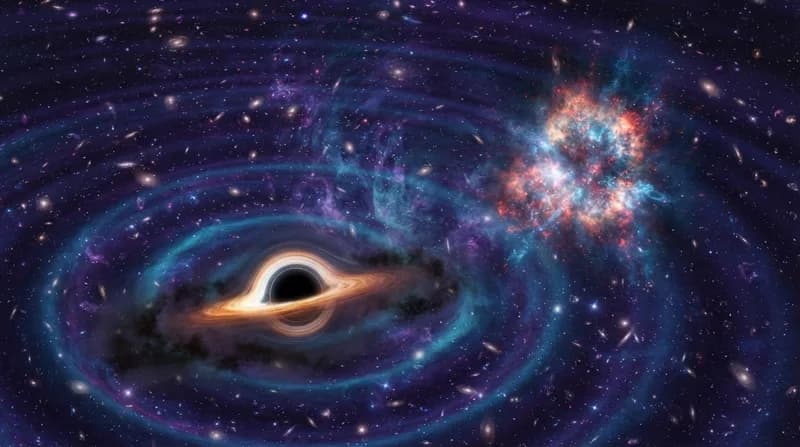
Cosmic Vanishing Acts: Gravitational Waves Reveal Secretive Black Hole Origins
Science

Cosmic Vanishing Acts: Gravitational Waves Reveal Secretive Black Hole Origins

A groundbreaking study of gravitational wave data suggests that many black holes may be born from silent stellar collapses rather than violent supernova explosions.

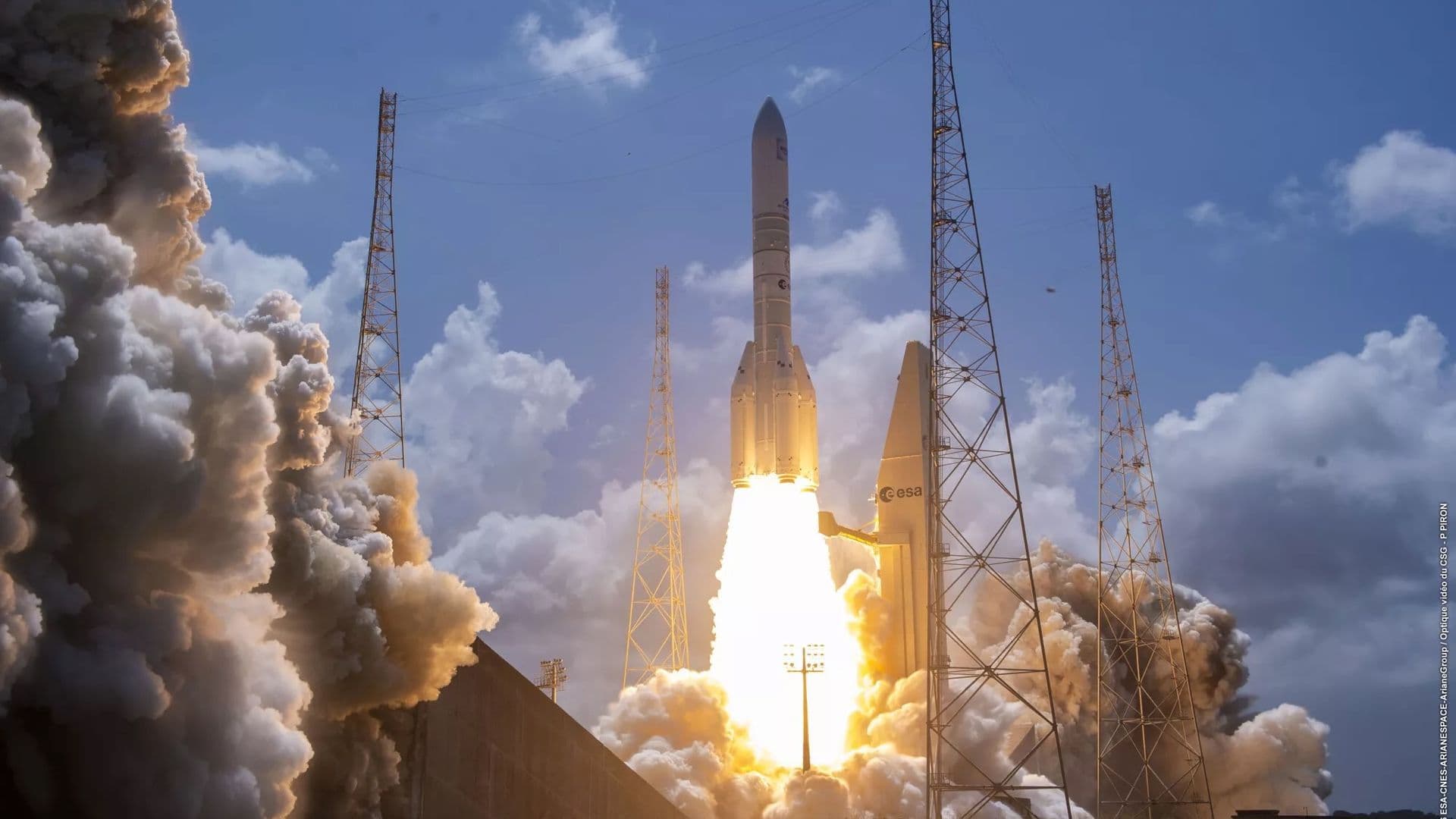
Amazon Resumes Satellite Deployment Following Recent Launch Setback
Science

Amazon Resumes Satellite Deployment Following Recent Launch Setback

Just over a week after a failed mission, Amazon prepares to launch another batch of Project Kuiper internet satellites via the Arianespace Ariane 6 rocket.

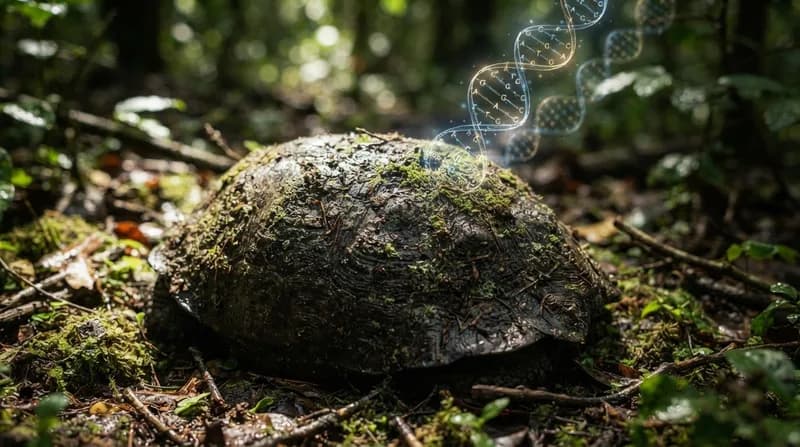
Decoding the Fountain of Youth: What a 194-Year-Old Tortoise Can Teach Us About Human Aging
Science

Decoding the Fountain of Youth: What a 194-Year-Old Tortoise Can Teach Us About Human Aging

Scientists have unlocked the genetic secrets of Jonathan, the world's oldest land animal, revealing a blueprint for cellular resilience that could reshape longevity science.

Consistency Is King: Why Exercise Frequency Trumps Intensity for Mental Well-being
Science

Consistency Is King: Why Exercise Frequency Trumps Intensity for Mental Well-being

A massive study of over 10,000 college students suggests that your workout schedule matters far more for your mental health than the intensity of your gym sessions.

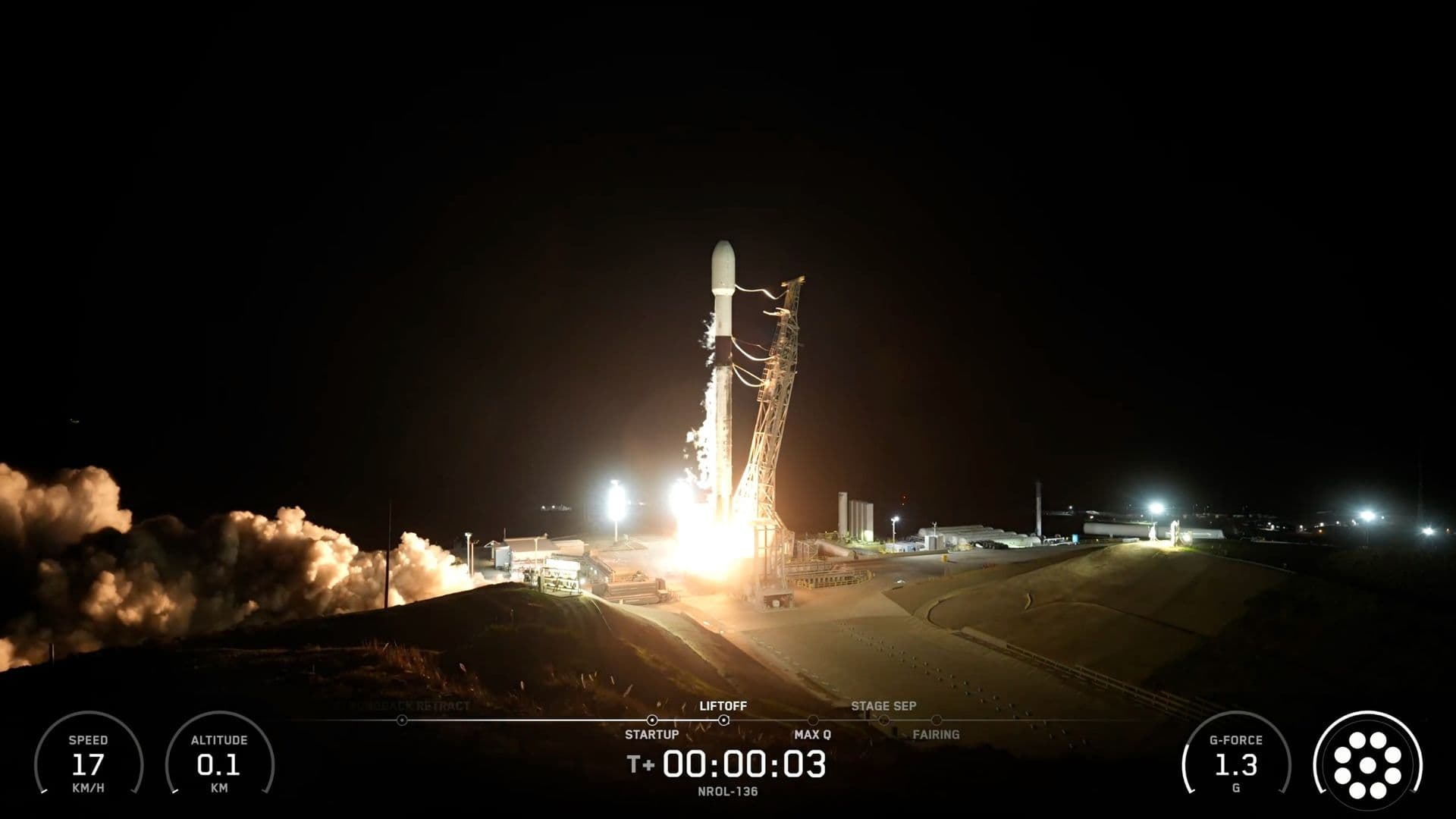
SpaceX Executes Pre-Dawn Launch for NRO Classified Intelligence Mission
Science

SpaceX Executes Pre-Dawn Launch for NRO Classified Intelligence Mission

A SpaceX Falcon 9 rocket successfully deployed a new batch of classified satellites for the National Reconnaissance Office, further expanding a critical intelligence-gathering network.

BCR-MERFISH: A New Frontier in Visualizing the Immune System
Science

BCR-MERFISH: A New Frontier in Visualizing the Immune System

Researchers at Boston Children's Hospital have unveiled a groundbreaking imaging technology that maps the spatial organization of antibody-producing immune cells at an unprecedented resolution.

The Physics of the Perfect Landing: Why Birds Cannot Simply Glide to a Halt
Science

The Physics of the Perfect Landing: Why Birds Cannot Simply Glide to a Halt

New research using optimal control theory reveals the extraordinary physical requirements for a bird to achieve a zero-speed landing.

The Growing Divide: Why GLP-1 Access Remains Stuck Behind Socioeconomic Barriers
Science

The Growing Divide: Why GLP-1 Access Remains Stuck Behind Socioeconomic Barriers

New research from Boston University highlights a widening chasm in access to life-changing weight loss medications, revealing that despite surging demand, structural inequities are leaving vulnerable populations behind.