A Unified Ecosystem for Modern Fleets
The transition to electric fleets in the UK has reached a new turning point as Paua, a leader in charge payment and reimbursement software, joins forces with Zaptec, the renowned Norwegian manufacturer of intelligent AC charging hardware. This collaboration aims to consolidate the fragmented charging experience by creating a seamless ecosystem that spans home, workplace, depot, and public charging environments. By integrating Paua’s digital payment architecture with Zaptec’s advanced hardware, the partnership directly addresses the operational hurdles that often plague companies moving toward full electrification.
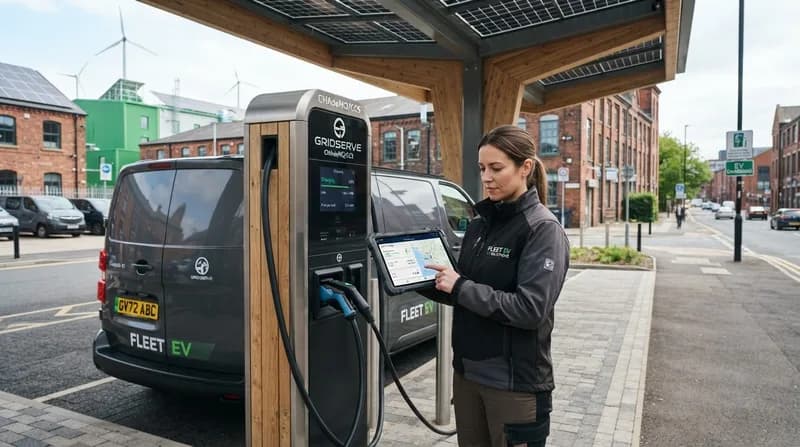
For fleet managers, the administrative burden of tracking energy usage and manual reimbursement has long been a sticking point. This new partnership automates that process. By utilizing energy meters embedded directly into Zaptec charging units, session data is transmitted securely to the Paua platform. This allows businesses to calculate energy costs in real-time, aligned with an employee's specific electricity tariff. The resulting data is fully HMRC-compliant, providing a streamlined, automated solution for employee reimbursement that removes the headache of expense reporting and manual record-keeping.
The Future-Proof Advantage of V2G Technology
Beyond simple payment integration, the collaboration is deeply focused on long-term scalability and grid sustainability. A central pillar of this initiative is the use of the Zaptec Go 2 charger, which is fully equipped for vehicle-to-grid (V2G) functionality. As grid demand fluctuates and renewable energy inputs grow more variable, this V2G-ready infrastructure transforms fleets from passive assets into active, distributed energy resources.
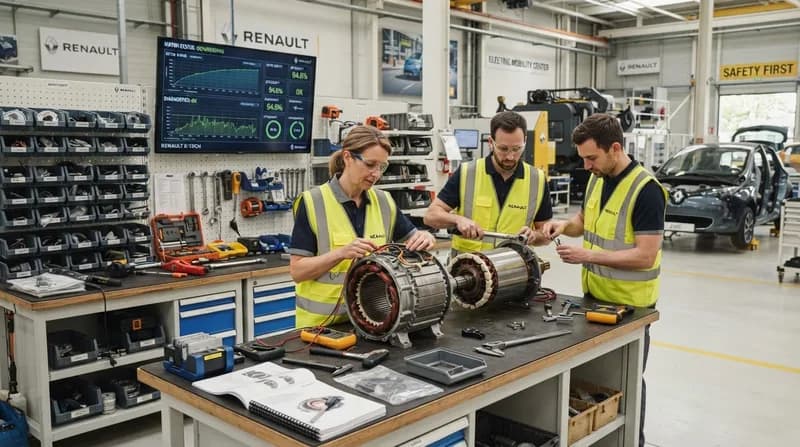
By enabling bidirectional power flow, companies can intelligently manage their fleet's energy storage, opting to draw power from the grid when electricity is cheapest or feeding power back to balance the grid during peak load hours. This not only bolsters grid flexibility but also provides an additional economic incentive for fleet operators. With major automotive manufacturers like Renault, Toyota, and Audi aggressively rolling out bidirectional-capable vehicles, this partnership ensures that current fleet investments are hardware-ready for the evolving energy landscape of the coming decade.
Why It Matters
- Reduced Administrative Friction: Automating the reimbursement process eliminates manual errors and saves thousands of hours for fleet operators.
- Strategic Asset Utilization: Through V2G technology, fleet vehicles serve as both transportation and decentralized power storage.
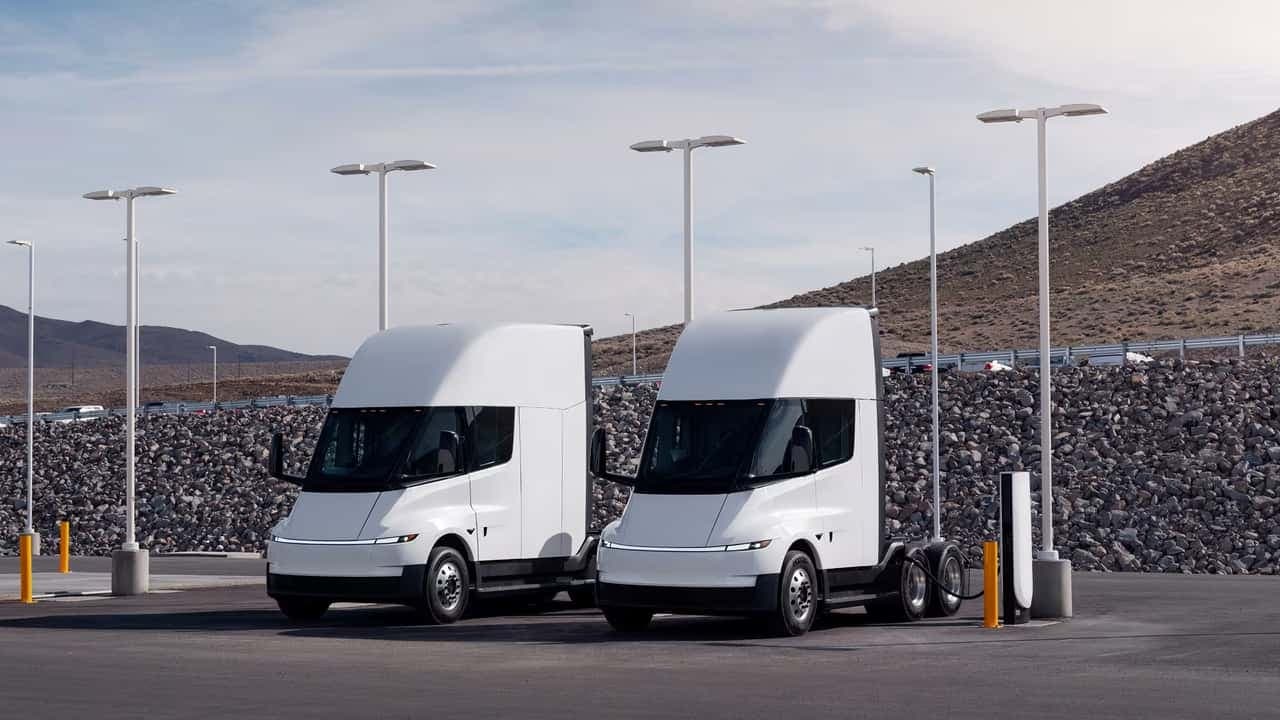
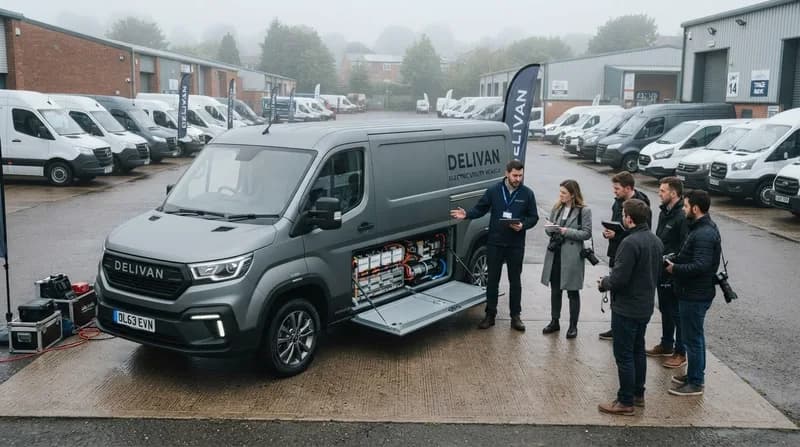
- Scalable Architecture: The integrated platform supports everything from single-home charging setups for employees to large-scale, high-density charging depots for trucks and vans.
- Energy Cost Optimization: Businesses gain the tools to shift charging patterns to off-peak periods, capitalizing on lower tariffs and potentially earning revenue via grid support services.