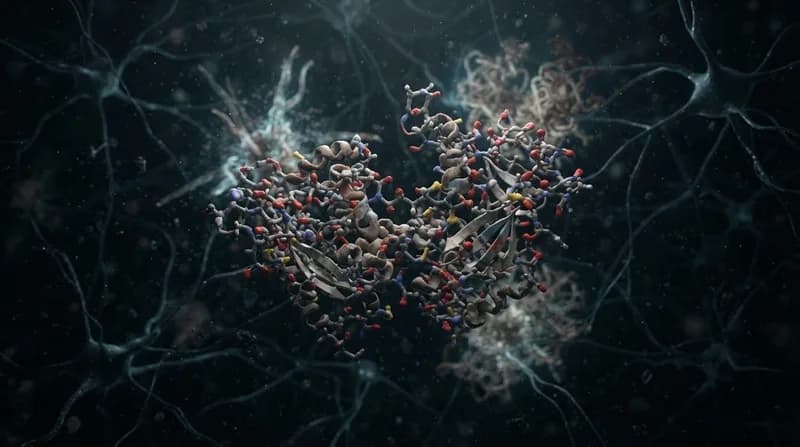
A New Frontier in Brain Health
Neurodegenerative diseases, including Alzheimer’s, represent some of the most complex challenges in modern medicine. Because these conditions involve a tangled web of biological failures—ranging from misfolded protein accumulation to chronic brain inflammation—traditional single-target drugs have often struggled to provide meaningful, long-term improvement. However, a groundbreaking study published in the journal Molecular Therapy by researchers at the University of California San Diego School of Medicine may have unlocked a more versatile solution.
The research team has identified a naturally occurring peptide known as catestatin (CST). Unlike many experimental treatments that focus exclusively on a single protein or genetic pathway, CST acts as a systemic regulator. In preclinical mouse models, the peptide was observed not only to decrease the accumulation of harmful tau and amyloid proteins, but also to dampen neuroinflammation and improve both motor and cognitive performance. By addressing these interconnected issues simultaneously, CST offers a potential "multipronged" strategy for neurological restoration.
The Mechanisms of Catestatin
Catestatin is derived from chromogranin A, a protein essential for cellular signaling and the release of neurotransmitters. Because it is naturally involved in various physiological processes—including metabolic and cardiovascular regulation—the researchers believe it is uniquely suited to influence the brain's broader homeostasis. Beyond clearing pathological proteins, the team is now investigating the peptide’s role in neuronal metabolism.
Lead author Dr. Suborno Jati notes that the team is currently exploring how CST impacts how the brain produces and consumes energy. If the peptide can effectively bolster the resilience of neurons against cellular stress, it could protect brain cells from succumbing to the degenerative cycle in the first place. This secondary benefit suggests that CST does not just clean up damage; it could actively change the cellular environment to be more resistant to disease progression.
Why This Matters
- Broad-Spectrum Efficacy: Unlike traditional therapies, CST tackles protein misfolding, inflammation, and energy dysregulation at once.
- Natural Origin: As a peptide derived from existing biological signaling pathways, CST may offer a more intuitive therapeutic route than synthetic compounds.
- Multidisciplinary Potential: Given its established role in cardiovascular and metabolic regulation, the discovery bridges the gap between systemic health and neurological resilience.
The Path Toward Clinical Application
While the findings are promising, the research team emphasizes that this discovery remains in the preclinical stage. The transition from mouse models to human therapeutics requires a rigorous series of safety trials, dose-optimization studies, and long-term efficacy verification. Currently, the scientific community is observing these developments closely to see if the therapeutic benefits seen in the lab can be replicated in complex human neurological systems.
Looking ahead, the development of peptide-based therapies represents a significant shift in how neurodegeneration is addressed. By moving away from "magic bullet" single-target models and toward systemic biological modulation, researchers hope to provide a more robust defense against Alzheimer’s disease. As the team continues their work, the intellectual property associated with these findings will likely serve as a cornerstone for future pharmaceutical development in the field of neurology.