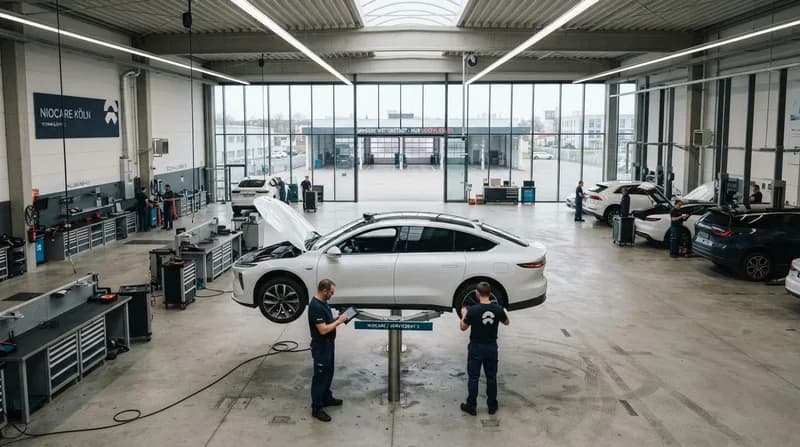
Strategic Consolidation in Germany
As the European electric vehicle market faces intensifying competition and evolving regulatory pressures, Chinese automaker Nio has announced a significant restructuring of its German operations. By the end of September 2026, the company will shutter its dedicated service and delivery hubs in Cologne and Weiterstadt. This move marks a pivotal shift for the brand, effectively centralizing its primary in-house workshop operations in Munich, which will remain the sole Nio Hub serving the German market.
Nio representatives have characterized these closures as part of a broader, planned optimization process. The company maintains that this strategy is a direct response to a changing European landscape, impacted by new tariffs, heightened competition, and a slower-than-anticipated pace of EV market development. Despite the consolidation, Nio insists that it remains fully committed to its German customer base, promising that existing support for vehicles—including warranty services and spare parts—will continue uninterrupted through a newly established network of partner workshops.
The Transition to Partner-Led Service
The closure of the Cologne and Weiterstadt hubs signals a departure from the company’s previous model of maintaining sprawling, manufacturer-owned service centers. Moving forward, Nio is pivoting toward a hybrid service architecture. Customers will retain the ability to schedule maintenance through the brand's proprietary "One-Click Service" feature within the Nio mobile app, which will now route users to a network of pre-approved, certified third-party workshops across the region.
Why It Matters
- Operational Efficiency: By shifting away from heavy, company-owned physical infrastructure, Nio is reducing overhead costs in a challenging European sales environment.
- Market Alignment: The decision reflects a wider trend among foreign EV manufacturers adjusting their expansion timelines to account for protectionist trade measures and regional economic headwinds.
- Customer Continuity: While the physical presence of Nio-run hubs is shrinking, the brand aims to maintain its premium service reputation by integrating certified regional partners into its digital ecosystem.
A Shifting European Strategy
This organizational tightening is occurring against a backdrop of declining registration numbers. Data from the German Federal Motor Transport Authority shows that Nio registered just 19 new vehicles between January and August 2026, a stark contrast to the figures seen in previous years. This decline has prompted a systemic review of the company's European footprint, which has already seen the permanent closure of the Nio House in Hamburg and a strategic decision to move away from country-specific management in favor of a unified European coordination structure.
Furthermore, Nio has signaled a more cautious approach to its long-term product rollout in the region. Plans for new model generations in Europe have been delayed until at least late 2027, and the expansion of the signature battery-swapping station network has been paused. While these developments suggest a period of retrenchment, the company maintains that the goal is to create a more sustainable, resilient foundation that can better weather the volatility of the global automotive transition.