The Emerging Trend of Tesla Salvage Rates
A comprehensive study conducted by EpicVIN, which analyzed approximately 273 million vehicle identification numbers across 338 distinct models, has highlighted a striking trend in the electric vehicle market. While the automotive industry average for salvage-titled vehicles stands at approximately 13.7%, Tesla models are significantly outpacing this figure, with nearly 19% of the analyzed units carrying a salvage designation. This data, sourced from auction and sale listings, suggests that despite the relative youth of the Tesla fleet, these vehicles are finding their way to salvage yards at a rate that is statistically anomalous compared to the broader automotive landscape.
A salvage title is issued by insurance companies when the cost of repairing a vehicle after an accident or incident reaches a threshold that makes the vehicle a financial 'total loss.' Traditionally, this designation is reserved for older vehicles where depreciation has diminished the asset's value to the point where even minor repairs become uneconomical. However, Tesla breaks this mold. With an average fleet age of just 5.2 years—compared to a 5-8 year vehicle bracket that typically sees a 7.5% salvage rate—Tesla’s high percentage of total-loss declarations is difficult to ignore.
The Collision of Repair Costs and Depreciation
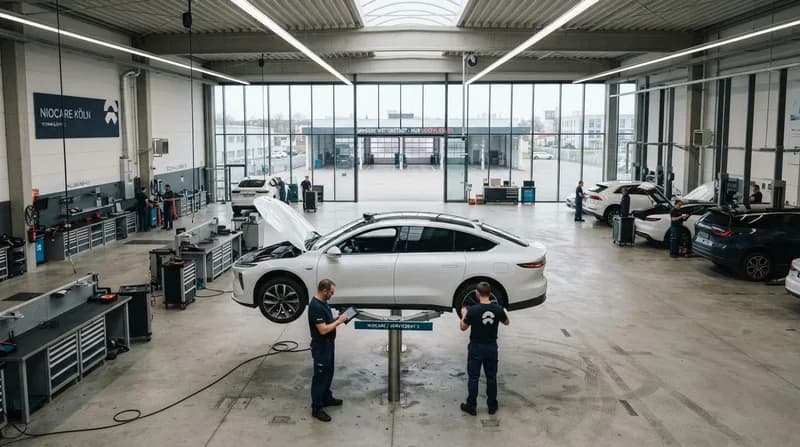
The primary driver behind these statistics appears to be the intersection of high repair costs and volatile residual values. Teslas, being highly integrated, technology-heavy machines, often require specialized labor and expensive components that can quickly inflate the cost of post-collision repairs. When combined with the aggressive depreciation that has affected many EVs, it becomes easier for an insurance provider to write off a vehicle rather than proceed with complex repairs. This economic reality creates a scenario where relatively young, technologically advanced cars are declared total losses.
This trend is not a universal characteristic of electric vehicles. When looking at other popular models, the data tells a different story. For instance, the Nissan Leaf shows a salvage rate of 9.5%, while the more recently introduced Hyundai Ioniq 5 sits at just 2.4%. These figures underscore that the high turnover to salvage status is not an inherent trait of battery-electric mobility but rather a symptom of the specific ownership and valuation dynamics surrounding the Tesla brand.
Contextualizing the Model 3 and Model Y
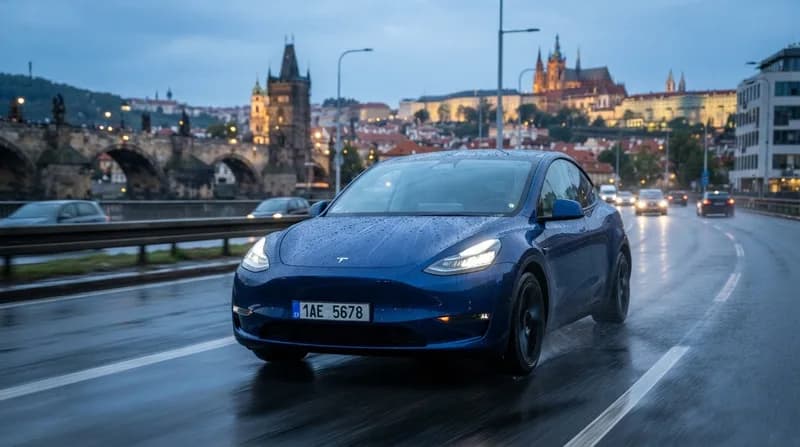
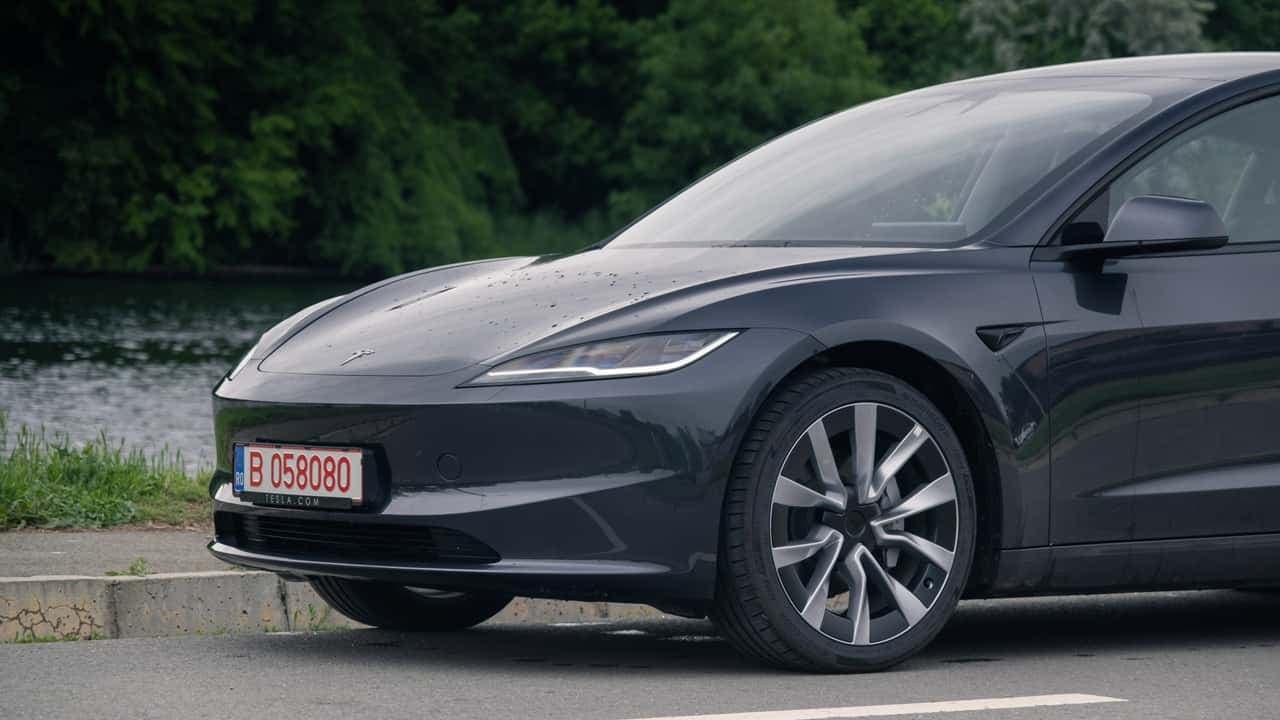
The Tesla Model 3 has been identified as having the largest sheer number of salvage-branded total losses within the EV sector, with over 340,000 units appearing in the study with such a history. The Model Y, while having a slightly higher percentage at 19.1%, appears in the data less frequently. These figures are crucial for prospective buyers of used EVs, who should be aware of the difference between a salvage title—a vehicle deemed a total loss—and a rebuilt title, where a salvage vehicle has been repaired and passed safety inspections for roadworthiness.
Why it Matters
- Financial Risk: Potential used-EV buyers are encouraged to perform thorough VIN checks to avoid purchasing vehicles that were previously declared total losses.
- Insurance Implications: The high frequency of salvage-titled Teslas can influence insurance premiums and coverage availability for the broader Tesla fleet.
- Market Dynamics: The findings highlight the significant impact of repair complexity and residual value curves on the long-term viability of modern, software-defined vehicles.
Ultimately, the surge of Tesla models in salvage auctions serves as a reminder of the importance of transparency in the pre-owned vehicle market. As other electric vehicles reach the 5-to-8-year age bracket, observers will be watching to see if they follow the same trajectory as Tesla or if the industry's approach to repair and insurance valuation shifts toward more sustainable long-term practices.