A New Direction for Slovenian Mobility
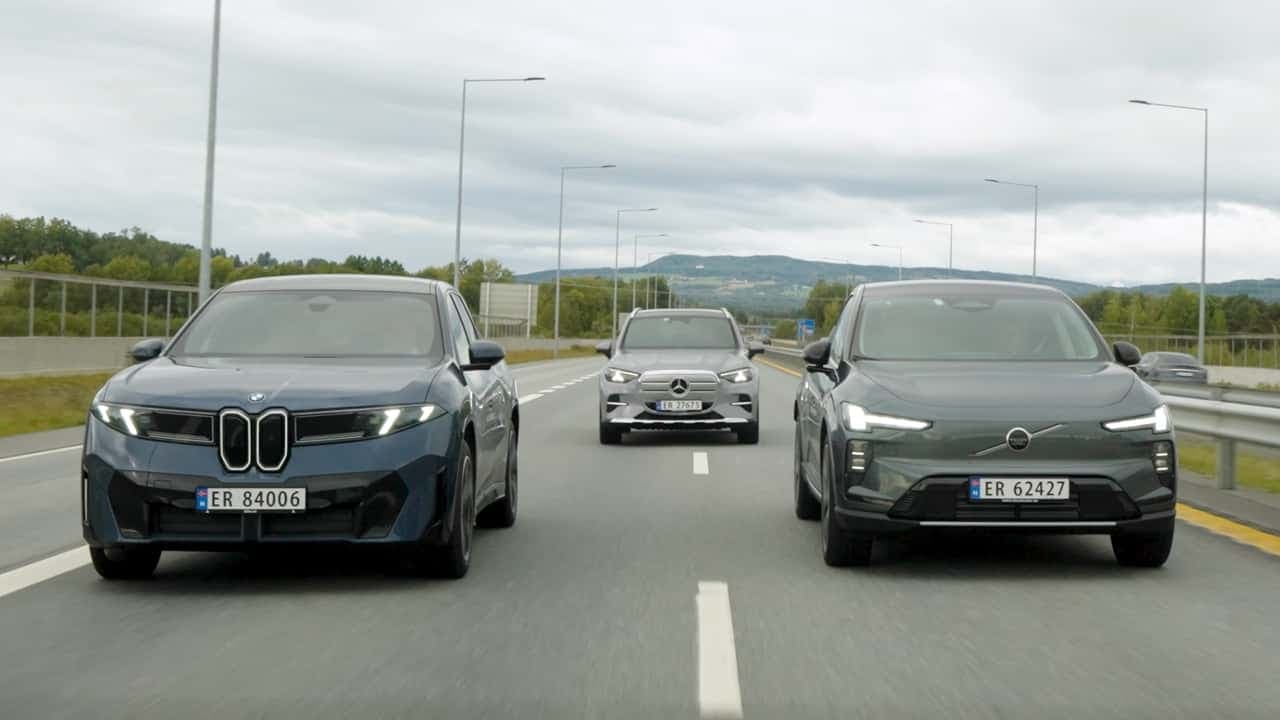
The Slovenian government, under the leadership of Prime Minister Janez Janša, has made a decisive move to overhaul its electric vehicle (EV) strategy. In an official announcement this September, officials confirmed that the country will no longer offer direct purchase subsidies for battery electric vehicles. This policy change reflects a shift in national priorities as the administration moves away from funding individual consumer acquisitions and instead pivots toward the systematic expansion of the nation's charging network.
This decision follows an abrupt end to previous funding cycles in mid-August. High demand for existing incentive programs led to a rapid depletion of allocated resources, which the Ministry of Energy and Infrastructure ultimately chose not to replenish. Under the previous administration, the state had relied heavily on European Union funding, specifically via the Recovery and Resilience Plan, to bolster the local transition to electric mobility. However, that financial bridge reached its expiration in May, necessitating a fundamental reassessment of how Slovenia finances its transition to a cleaner transport sector.
Prioritizing Infrastructure Over Incentives
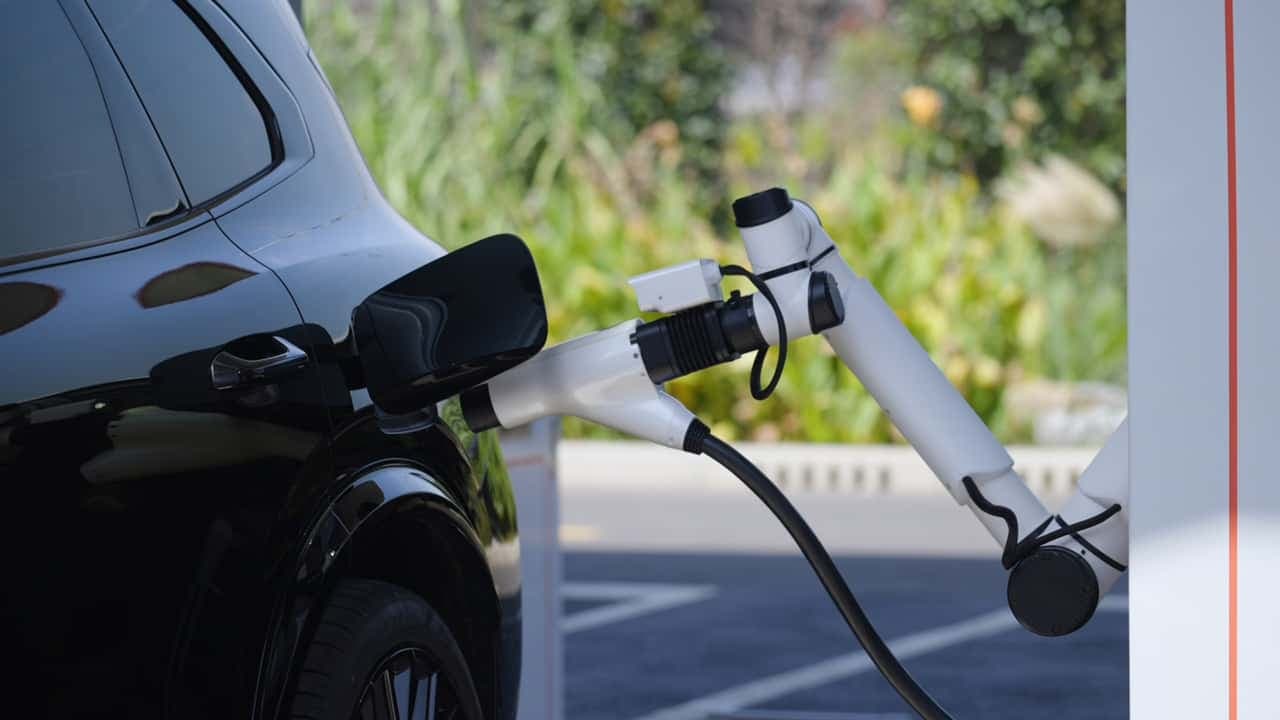
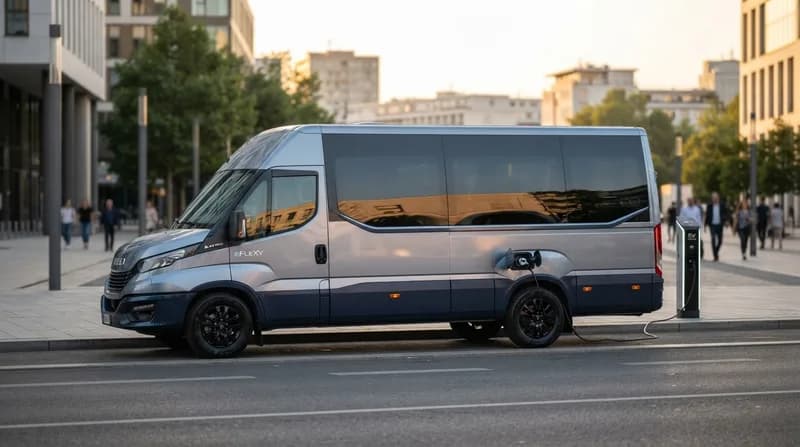
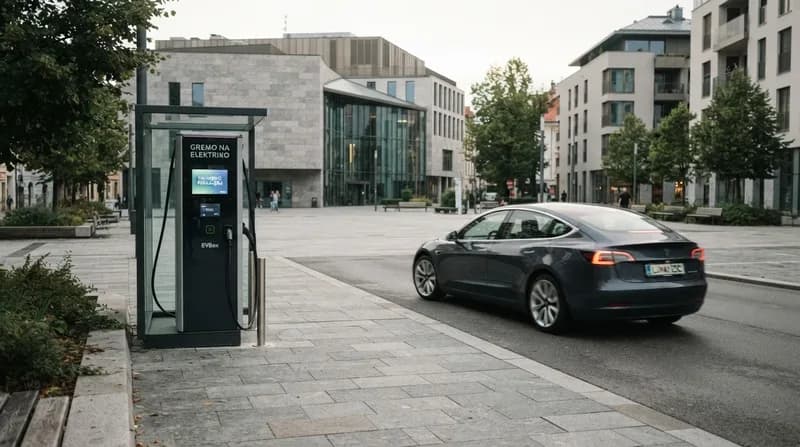
The core of this new strategy lies in a significant capital allocation toward the physical hardware required to support mass EV adoption. According to Urška Kalan, Deputy Director of Borzen, the public electricity market operator, the government is moving to guarantee that the hardware foundation is robust enough to accommodate long-term growth. Rather than subsidizing the cost of the car itself, the government is focusing on the accessibility and speed of charging availability.
The current financial roadmap includes an immediate allocation of €2.5 million earmarked for the installation of slower, destination-based charging solutions. Looking ahead, the government has announced a more substantial investment of approximately €25 million scheduled for next year. These funds are specifically intended to develop and densify charging stations, both within and outside the critical Trans-European Transport Network (TEN-T). By focusing on infrastructure, the ministry aims to eliminate range anxiety and provide the necessary utility for current and future EV owners, effectively treating charging availability as a public utility rather than an individual luxury.
Why It Matters: The Infrastructure Shift
- Sustainable Growth: By shifting focus to charging density, the government is building a long-term asset that benefits all EV users, regardless of when they purchased their vehicle.
- Financial Independence: Moving away from EU-dependent subsidy cycles allows the Slovenian government to exert greater control over its own national energy and infrastructure policy.
- Market Maturation: This transition indicates a belief that the electric vehicle market in Slovenia has reached a level of maturity where government-backed price discounts are no longer the primary driver for adoption.
As Slovenia transitions into this new phase of mobility policy, the focus on infrastructure is expected to be a primary catalyst for automotive adoption, shifting the burden of innovation from the consumer's wallet to the nation's grid and public works departments.