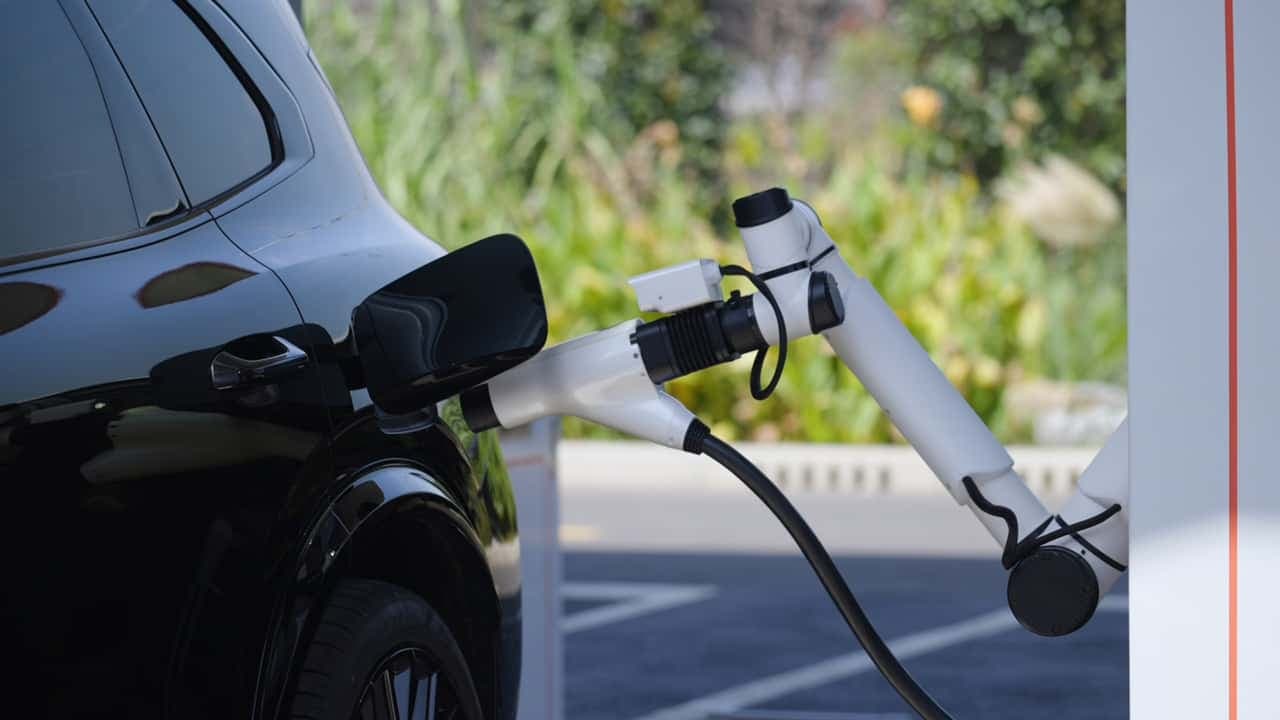
The 2.25-Megawatt Charging Breakthrough
In the rapidly evolving landscape of electric vehicle infrastructure, Geely Auto Group has set a new global benchmark that fundamentally shifts the narrative around charging anxiety. The company recently unveiled its fifth-generation Smart Charging System, capable of delivering a staggering 2,250 kilowatts (2.25 megawatts) of peak power. This development effectively leaves the current industry standard—including high-profile competitors like BYD—in its wake. By enabling vehicles such as the Lynk & Co 10 and the Zeekr 001 to recover significant range in the time it takes to grab a cup of coffee, Geely is bridging the final gap between gasoline refueling times and electric charging convenience.
To put this performance into perspective, current Western fast-charging technology generally peaks between 350 and 400 kilowatts, with high-end upcoming implementations aiming for 600 kilowatts. Geely’s system operates at nearly four times that capacity, allowing for a 10% to 70% charge in just 4 minutes and 30 seconds. A full charge to 97% is achieved in under nine minutes, a feat that would have been considered impossible for lithium-ion platforms only a few years ago.
AI-Driven Thermal Management
Managing the intense heat generated by megawatt-scale power delivery is the primary challenge for any high-speed charging system. Geely has addressed this by integrating an AI-powered management platform dubbed "Xingrui PowerMind." This system performs real-time predictive analysis of battery temperatures, adjusting charging parameters dynamically to ensure safety and longevity. By maintaining an optimal thermal baseline, the system prevents the degradation typically associated with rapid energy intake.
Complementing the AI software is an "end-to-end five-point liquid cooling" hardware architecture. This sophisticated thermal loop coordinates heat dissipation across the entire chain—from the energy storage batteries and the charging dispenser to the cable, the port, and the vehicle’s internal battery pack. This holistic approach to cooling is essential to keeping the battery within a strictly controlled temperature range, capped at 65 degrees Celsius during the peak of the charging cycle.
Advanced Lithium-Ion Pulse Restoration
Beyond raw power and cooling, Geely is introducing a novel chemical management technique known as "lithium-ion pulse restoration." High-speed charging often results in lithium plating at the anode, where ions accumulate and potentially impede performance or shorten the battery's lifespan. Geely’s technology utilizes micro-pulse currents to reactivate these trapped ions, effectively clearing the anode and restoring the efficiency of the charging process.
Why it Matters
- Closing the Gap: Sub-5-minute charging times eliminate the most significant practical hurdle for mass-market EV adoption.
- Technical Innovation: The move from passive cooling to AI-orchestrated thermal management suggests a new standard for future charging hardware.
- Longevity Focus: Pulse restoration technology suggests that manufacturers are prioritizing long-term battery health as much as raw speed.
- Global Competition: With BYD focusing on massive deployment scale, Geely’s focus on bleeding-edge power density creates a two-pronged competitive pressure on Western automakers.
While the industry continues to debate the optimal way to scale charging infrastructure, Geely has firmly planted its flag in the realm of extreme power output. Whether these systems can achieve the massive footprint of existing competitors remains the next major question, but the technological foundation for rapid, convenient, and safe charging is clearly established.