A Watershed Moment for Electric Logistics
The landscape of American freight transportation is undergoing a seismic shift. In a record-breaking initiative, a coalition of major cargo-owning shippers has placed a massive order for 2,500 electric Class 8 trucks. This deployment, coordinated by the Zero-Emission Truck Shipper-Carrier Alliance Leading Electrification (ZET SCALE), effectively doubles the number of battery-electric heavy-duty vehicles currently operating on U.S. roads. While the order includes vehicles from manufacturers like Kenworth, Ride, and Volvo, the Tesla Semi has emerged as the primary selection for the fleet.
This initiative addresses one of the most significant barriers to the electrification of logistics: the high upfront cost and uncertainty surrounding residual values. By pooling demand, ZET SCALE successfully negotiated lower purchase prices, while its financial arm, ZET Financial, introduced a fair-market-value lease program. This structure removes the residual-value risk for fleet operators, allowing companies like PepsiCo and Microsoft to integrate electric heavy-duty vehicles into their supply chains without the typical capital expenditure hurdles.
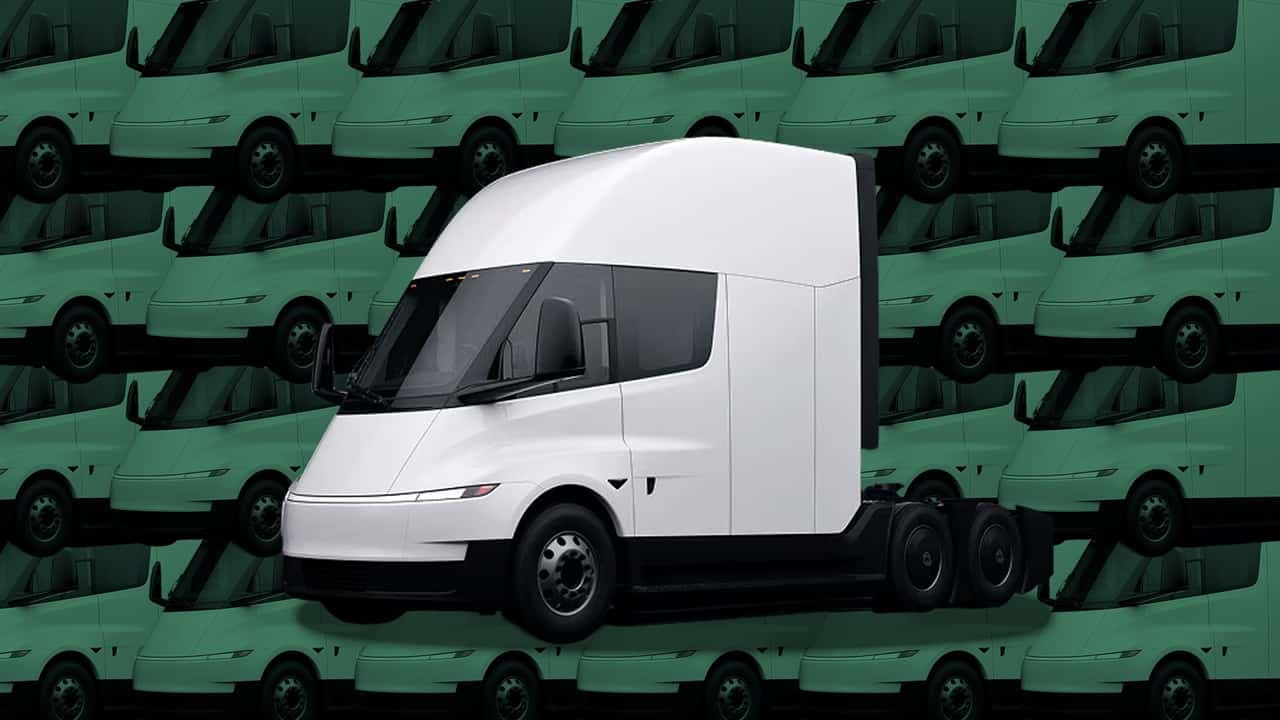
The Tesla Semi Program at Scale
For Tesla, this contract serves as a massive endorsement of its commercial vehicle program. Currently entering production at a specialized Nevada facility—which boasts an annual capacity of 50,000 units—the Semi is being positioned as a superior, low-cost alternative to diesel-powered trucks. Dan Priestley, Director of the Tesla Semi Program, emphasized that the vehicle’s design centers on operational predictability and reduced cost-per-mile efficiency, two factors that are critical for large-scale logistics operations.
The deployment strategy is equally deliberate. Rather than scattering these trucks nationwide, the alliance is focusing on ten high-density freight hubs. These locations, which include logistics giants like Los Angeles, Dallas, Chicago, and the New York-Newark region, were chosen specifically for their economic viability and the existing potential for robust charging infrastructure. By concentrating the initial rollout in these areas, ZET SCALE ensures that the Tesla Semi fleet can maximize uptime and operational output.
Tesla Semi Technical Specifications
The Tesla Semi is currently offered in two distinct configurations, catering to different operational requirements. The hardware represents a significant leap in weight-to-range optimization for heavy-duty electric transit.
- Standard Range Model: Targeted at shorter haul operations, this version offers an estimated 325-mile range on a single charge. It maintains an energy efficiency of approximately 1.7 kilowatt-hours per mile, with a curb weight under 20,000 pounds and a total gross combination weight capacity of 82,000 pounds.
- Long Range Model: Engineered for extended transit, the Long Range variant extends the capability to 500 miles on a full charge. Despite the increased battery capacity required for this range, it maintains a competitive curb weight of 23,000 pounds.
Strategic Implications for the Industry
This massive order is merely the first phase of a broader ambition. ZET SCALE has set a long-term goal of deploying over 10,000 electric trucks, providing a clear signal to the freight industry that the era of the diesel-only highway is sunsetting. By aggregating demand, the alliance is forcing a change in the market, encouraging manufacturers to ramp up production and financial institutions to create stable leasing ecosystems. As the infrastructure in the designated high-density hubs matures, the lessons learned from this 2,500-truck deployment will likely serve as the blueprint for nationwide electrification of the American supply chain.